 1.4GB
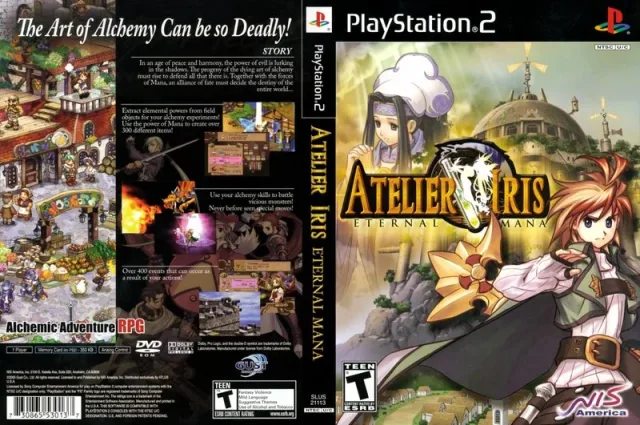
Atelier Iris - Eternal Mana
RPG 2005
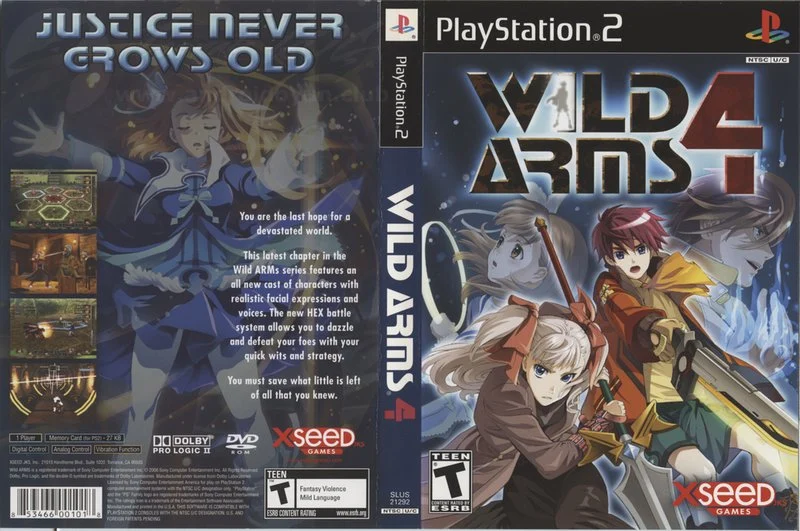
Seven hexagons. That is the entire battlefield, and every fight in Wild Arms 4 is decided by how you use them. Characters and enemies occupy tiles, each tile carries a property that can boost magic or physical damage, and moving onto one costs part of your turn. Stack your party badly and one area attack wipes the lot. Play it well and you herd enemies onto a single hex, drop a bomb, and end a fight that looked lost. It is the rare turn-based system from the mid-2000s that rewards spatial thinking without turning into a tactics grid.
The other departure is stranger. Jude Maverick, thirteen and raised inside a sealed sanctuary, gets a movement kit built around the Accelerator: dash, double jump, wall kick, and a bubble shot that freezes objects in place to use as platforms. Dungeons are designed around all of it. You are genuinely platforming through a Japanese role-playing game, and while the controls are looser than a dedicated action title would demand, the level design is smart enough to keep the idea from collapsing into filler.
Tonally it sits apart from the earlier entries. The western-fantasy Filgaia iconography is still there, but the story leans on child soldiers, a military machine that uses them, and a boy who has to work out which adults are lying to him. It is heavy-handed in places and the voice acting does not always carry it, though the central quartet's arguments feel less scripted than most party banter of the period. Michiko Naruke's absence from the soundtrack is noticeable; Masato Kouda's score is capable but leaves less of a mark.
What holds it back is length and repetition. The game is short by series standards, the world map has been reduced to a menu of destinations, and the overworld exploration that defined earlier Wild Arms is largely gone. Some of the platforming stretches drag past the point where the ideas stay fresh. There is also a difficulty curve that sags once you learn how to manipulate hex properties reliably.
Still, this is the entry where the series stopped repeating itself. Media.Vision took a franchise with a recognisable formula and broke two of its pillars on purpose, which is a braver decision than the modest sales suggest anyone rewarded. Play it now and the combat is what stays with you: a small board, a handful of pieces, and enough room to be clever.
1.4GB  6.9GB
 2.0GB
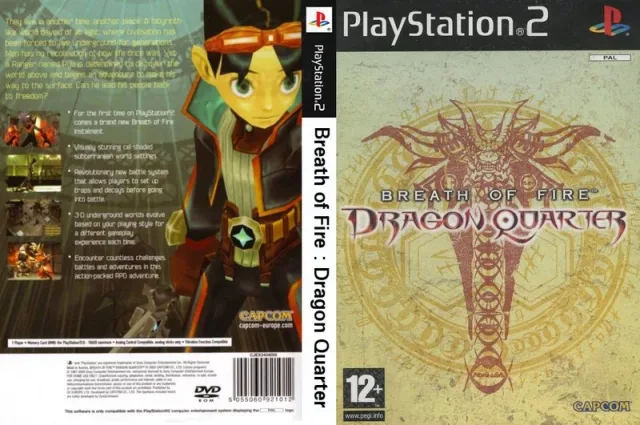 0.9GB
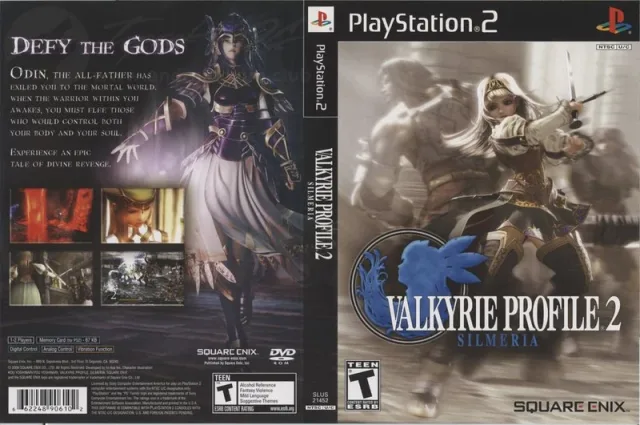 3.5GB
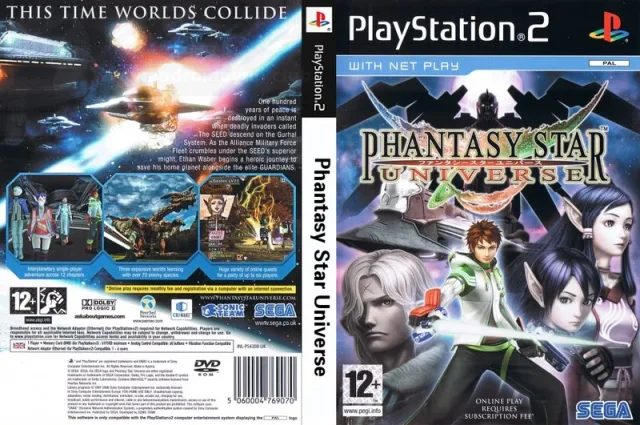 3.4GB
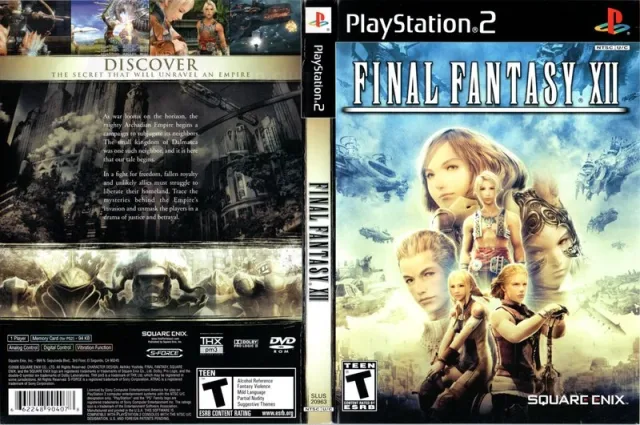 3.4GB
 0.7GB
loading comments…