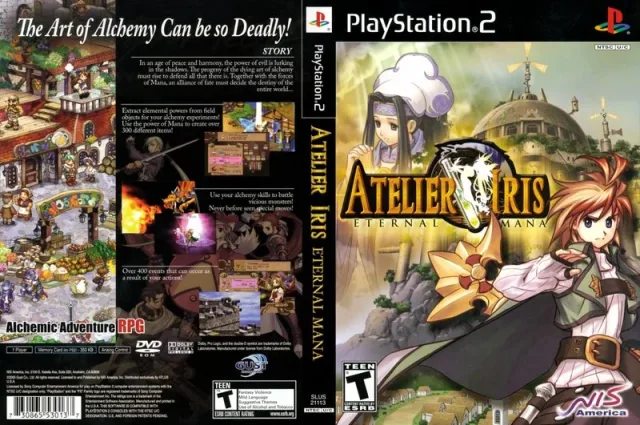
 1.4GB
Atelier Iris - Eternal Mana
RPG 2005
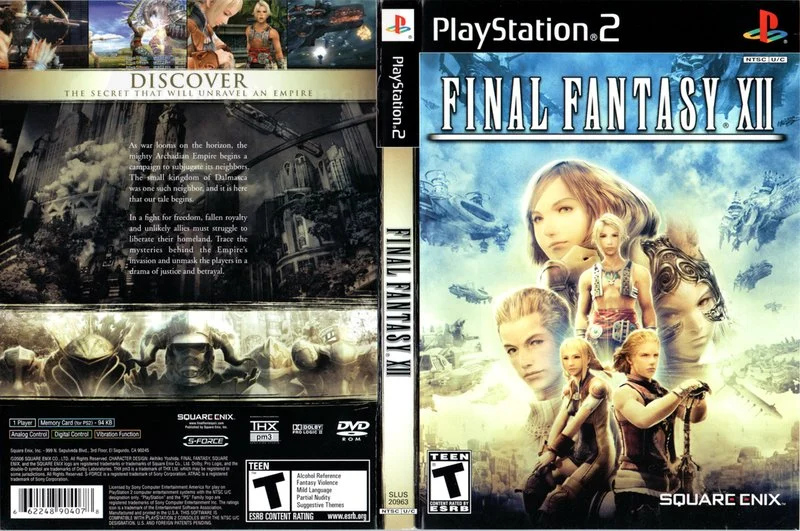
Writing if-then statements for your party members was, in 2006, a startling thing for a Final Fantasy game to ask. The gambit system handed over a list of conditions and actions "Ally HP < 50%: Cure", "Foe: weak to Fire: Fira" and let you order them by priority, after which combat largely ran itself while you steered one character around the field. Critics at the time read this as the game playing itself. It is closer to the truth to say the game relocated the decision-making from the fight to the menu, which is a harder sell but a more interesting one.
Ivalice here is not the chessboard of the Tactics games but a continuous world of plains, estuaries and sandseas, stitched together with no battle transitions. Enemies roam in the open. Pull too many and you run, and running works. Matsuno's Archadian occupation plot opens on a royal captain rather than a chosen boy, and the dialogue carries a political register that the series had mostly avoided: treaties, manufactured nethicite, the Senate. Vaan is the weak point of the cast and the game seems aware of it, quietly handing the dramatic weight to Basch and Ashe while Balthier walks off with every scene he is in.
Progression runs on the License Board, a grid you unlock with points earned in battle, governing equipment and magick access separately from levels. The original release gave everyone the same board, which flattened the party into interchangeable units by the late game. The Zodiac revisions later split it into job-specific boards and fixed the problem, but the PS2 version is worth sitting with on its own terms, hunting marks for Clan Centurio and chasing the Espers tucked behind optional dungeons.
It is a late PS2 game and it shows what the hardware could do when pushed by people who had learned every corner of it: Giruvegan and the Pharos still look composed rather than merely detailed. Loading between zones is frequent and the frame rate sags when the screen fills. Hunting the superbosses demands a tolerance for grinding that few modern RPGs would risk asking for.
The gambit system's real legacy is that it treated the player as someone who might enjoy designing a solution rather than executing one. Plenty of players bounced off that. The ones who did not still talk about the moment their party handled an ambush perfectly while they watched, having built the thing that did it.
1.4GB  6.9GB
 2.0GB
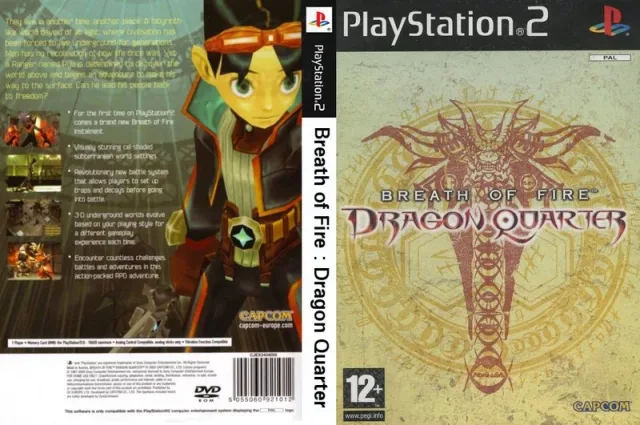 0.9GB
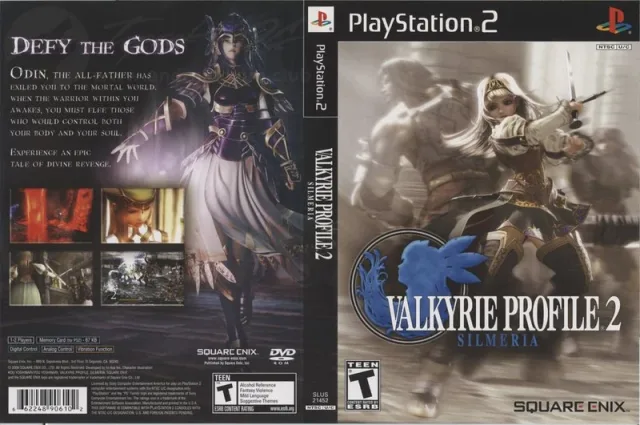 3.5GB
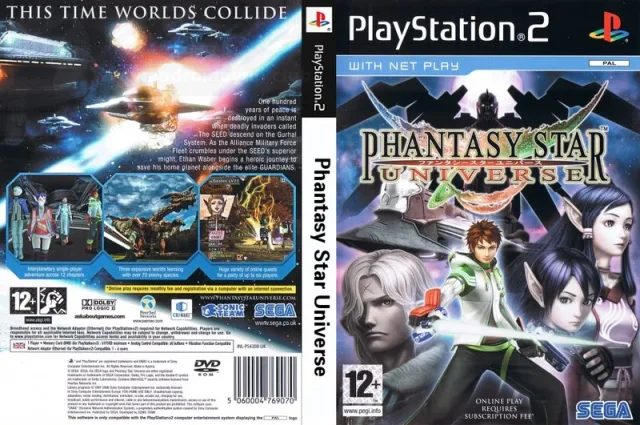 3.4GB
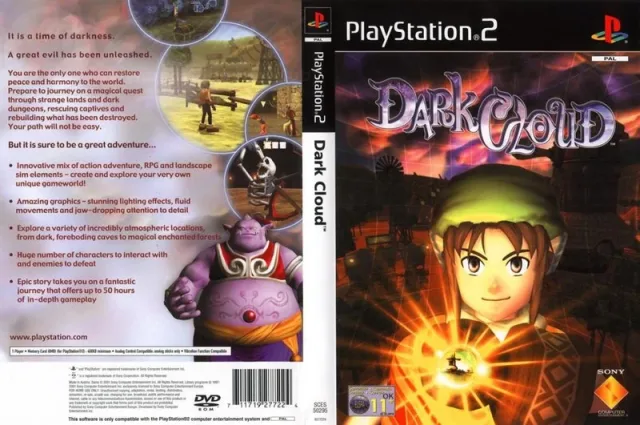 0.7GB
 3.2GB
loading comments…