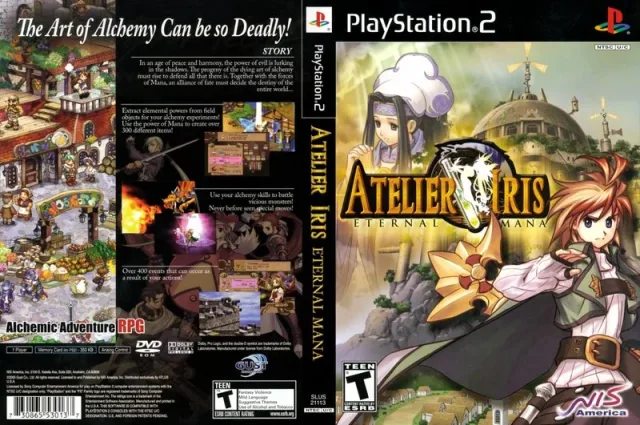
 1.4GB
Atelier Iris - Eternal Mana
RPG 2005
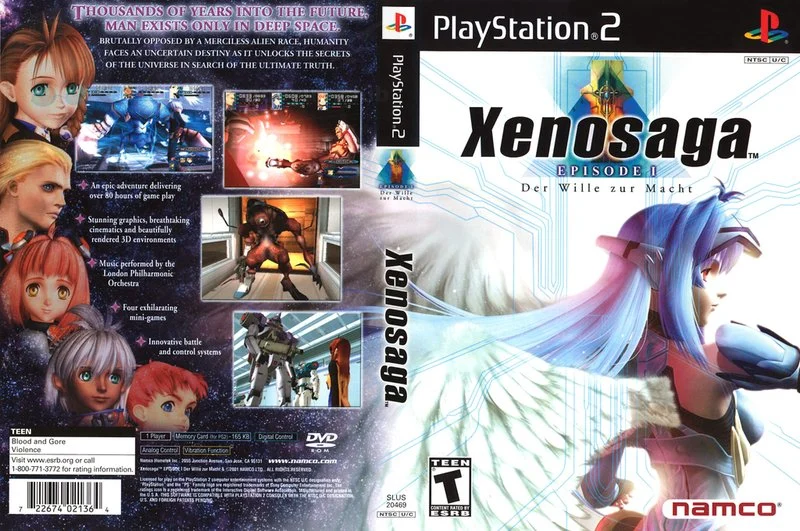
Early in this game you may notice how much of it is spent watching. Cutscenes run long, sometimes very long, and the Japanese release's reputation for cinematic ambition is earned in a way that few RPGs of 2002 matched. Tetsuya Takahashi and his team at Monolith Soft, many of them veterans of Xenogears, wanted a science fiction epic with the structure of a film, and the pacing shows it.
The story follows Shion Uzuki, an engineer at Vector Industries working on KOS-MOS, an android weapon built to fight the Gnosis, hostile creatures that threaten humanity in the far future. Around that sits a web of corporations, church-like institutions, and recurring ideas lifted from philosophy and religion, including the title's nod to Nietzsche. It is dense and often opaque, and it asks for patience before it explains itself. Some of that density is real depth. Some of it is just dressing.
Combat is turn based, with characters acting on a grid-like range system and a gauge you manage to chain actions. A boost mechanic lets you jump the order and extend a turn, and a break gauge on enemies rewards you for staggering them. Enemies can be knocked about for set-up attacks. Characters also pilot mechs called E.S. units, which have their own tuning and keep fights from settling into a rhythm. Early battles feel slow, and random encounters can wear on the nerves, but the system gains some bite once you start planning around the gauges.
The visuals were impressive for the hardware, with detailed character models and polished set pieces, and Yuki Kajiura's score and the orchestral work around it give the game real weight. The structure is the harder sell now. Dungeons are linear, the sense of exploration is thin, and the shift between hours of narrative and short bursts of play can feel lopsided. The game also ends mid-story, which is the point where patience either pays off or runs out.
What remains is the ambition. Few games from that period tried to be this serious about its own mythology, and fewer committed so fully to the idea that a console RPG could behave like a long film. It is flawed and sometimes stiff, but it stays in the memory.
1.4GB  2.0GB
 0.9GB
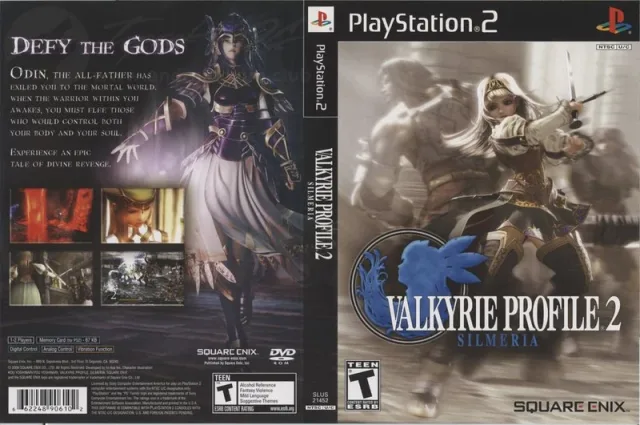 3.5GB
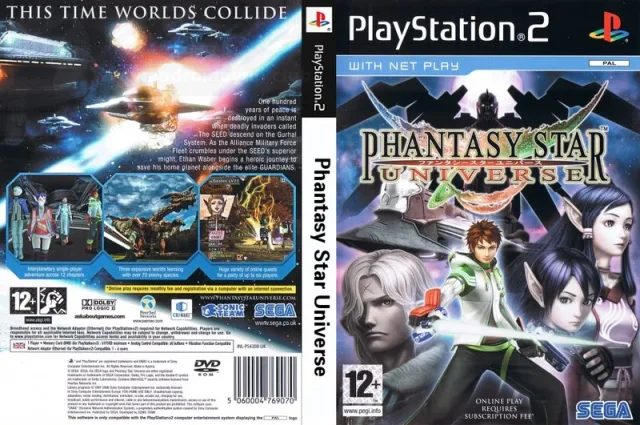 3.4GB
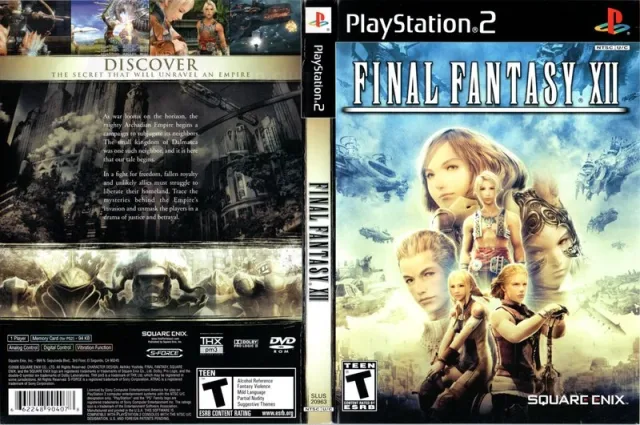 3.4GB
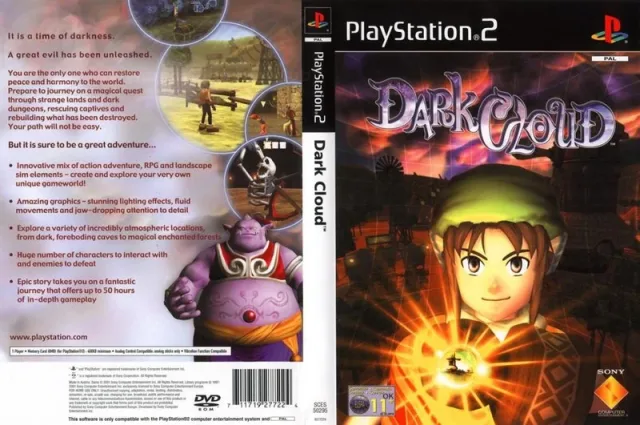 0.7GB
 3.2GB
loading comments…