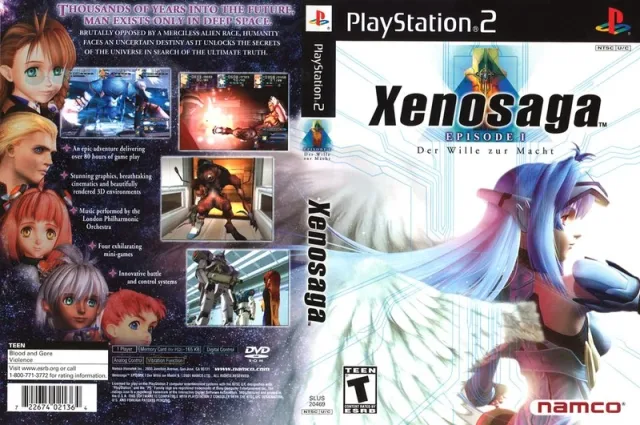
 6.9GB
Xenosaga Episode I - Der Wille zur Macht
RPG
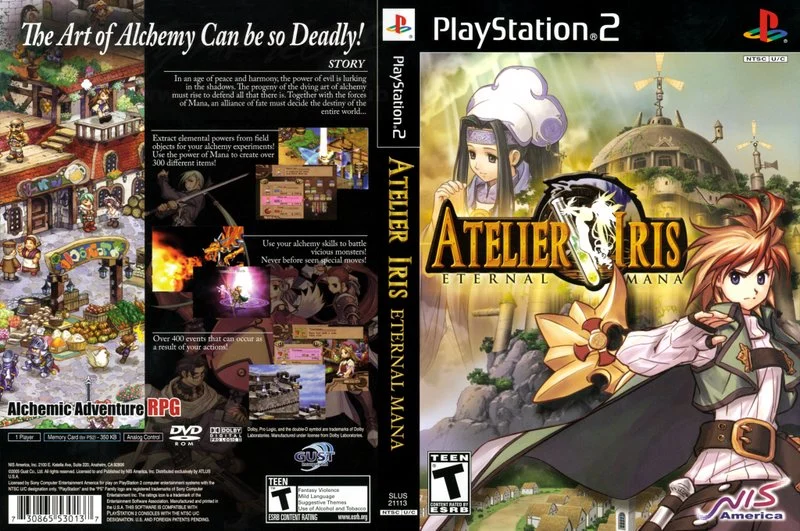
Most JRPGs of the PS2 era wanted you to collect swords. This one wants you to collect ingredients, and then to think carefully about what you do with them. Atelier Iris came from Gust, a studio that had been making the Atelier series in Japan for years, and it was the entry that introduced the franchise to North American players through NIS America in 2005. It arrived with little fanfare and quietly built a following.
The central idea is synthesis. Your party members are not the only ones with abilities: the world is full of Mana, spirit-like beings tied to elements and objects, and the protagonist Klein, a young alchemist, can bond with them. Each Mana gives you new field skills and lets you craft new items from what you gather. Those items are not a side activity. They are how you progress, solve dungeon obstacles, and strengthen your gear, so a bag of odd materials can matter more than a pile of gold.
Combat is turn-based and fairly conventional, with a timeline that shows who acts when and a limited pool of resources to spend on special moves. It is competent rather than inventive, and the fights are rarely the reason to keep going. The pacing leans on repetition, and the dungeons are small and sometimes bare. Random encounters can feel like toll booths between you and the next recipe.
The presentation reflects a modest budget and a clear identity. Character art is soft and bright, the voice acting is of its time and uneven, and the story stays gentle, closer to a fairy tale than an epic. That tone is either a relief or a limitation depending on your appetite. There is little darkness here and not much urgency, but there is an affectionate coherence to the whole thing.
What holds up is the sense that crafting has real consequences. Few games of its generation let a menu feel like a workshop. Atelier Iris is rough around the edges, yet it shows how a small team can make an idea carry a game when it has nothing else to lean on.
6.9GB  2.0GB
 0.9GB
 3.5GB
 3.4GB
 3.4GB
 0.7GB
 3.2GB
loading comments…