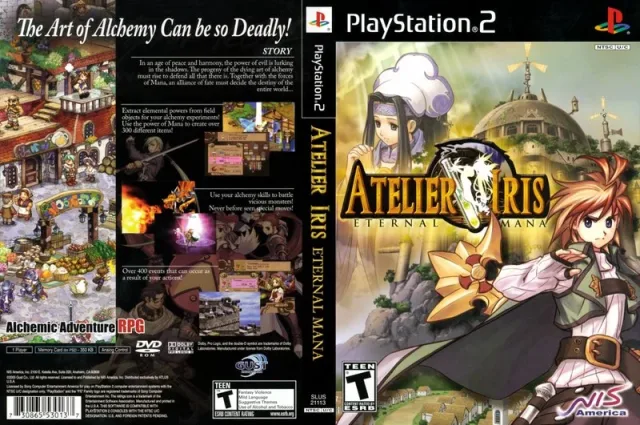
 1.4GB
1.4GB Atelier Iris - Eternal Mana
RPG 2005

Every nation in Auldrant plans its future by reading the Score, a prophecy carved in fonic stone that tells people when they will marry, when they will fight and when they will die. That is not backdrop. It is the argument the whole game is having with itself, and the person who has to answer it is Luke fon Fabre, a sheltered noble brat with no memory of his first seven years and no sense that anyone else's suffering is real. For a good ten hours he is genuinely hard to like. That is deliberate, and it is the boldest thing Namco Tales Studio did here.
The fighting works on the Flex Range Linear Motion Battle System, which keeps the old side-on plane but lets you free run off it to circle an enemy or break away from a caster. What makes it distinct is the residue combat leaves behind. Chain the right artes and a glowing elemental circle forms on the ground; step into it and your next arte transforms, so a fire strike inside a fire field becomes something bigger. It rewards planning two moves ahead rather than mashing, and it turns the arena floor into a resource you are constantly spending and rebuilding. Late-game bosses punish anyone who never learned to read those fields.
The party talk constantly, in optional skits that pop up at the edge of the screen and run on voice acting rather than text alone. Jade's dry cruelty and Anise's mercenary streak do more character work in thirty seconds than most cutscenes manage. It is also where the replica plot gets picked apart from angles the main story is too busy to cover.
Age shows in the presentation. The engine chugs in crowded battles and busy towns, load pauses interrupt the rhythm, and the dungeons lean hard on switch puzzles that were tired even in 2005. Europe never got a release at all, which is why the game spent years as a name people traded rather than played.
What holds up is the nerve of it: a JRPG willing to spend its first act making you resent the boy you control, so that his eventual understanding of what he is costs something.
1.4GB 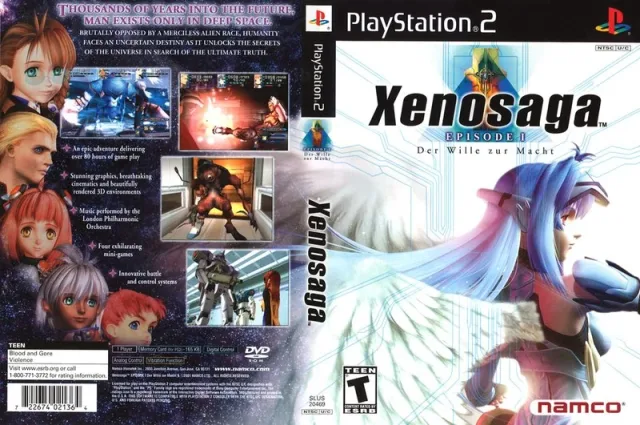 6.9GB
6.9GB 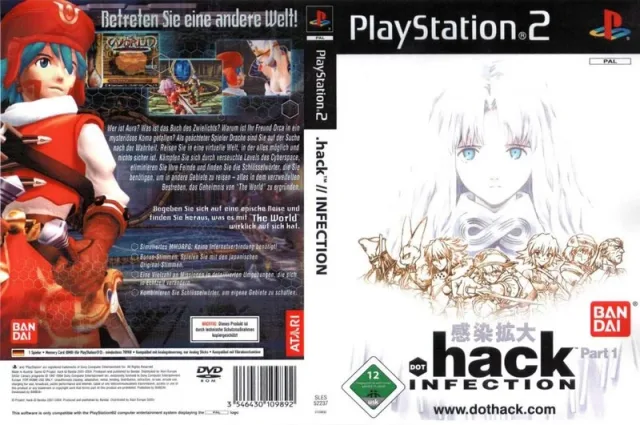 2.0GB
2.0GB 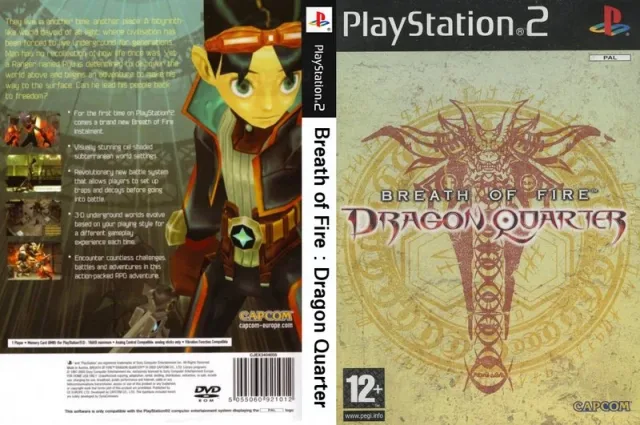 0.9GB
0.9GB  3.5GB
3.5GB  3.4GB
3.4GB  3.4GB
3.4GB  0.7GB
0.7GB loading comments…