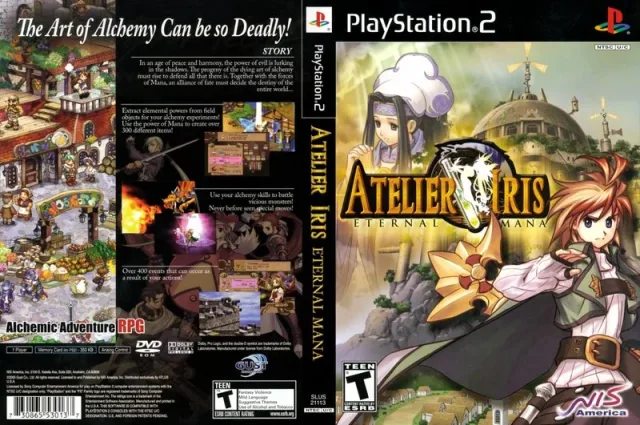
 1.4GB
Atelier Iris - Eternal Mana
RPG 2005
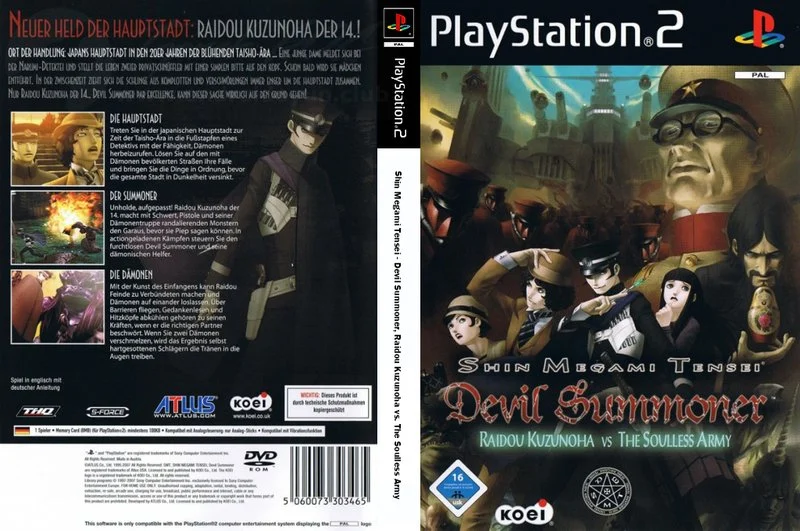
A talking black cat as your boss is an odd place to start a Shin Megami Tensei game, but Gouto sets the tone: this is Taisho-era Japan, fourteenth year of the era, where trams and Western suits sit uneasily beside sword-carrying devil summoners, and the fourteenth Raidou Kuzunoha has just taken up a detective's apprenticeship with a chain-smoking layabout named Narumi.
Atlus broke with its own house style here. The Devil Summoner branch had always been turn-based, and the mainline series was defined by the press-turn system, but Raidou fights in real time with a katana and a pistol, sprinting around small arenas while a single summoned demon does the elemental heavy lifting. It is not a refined action game. The camera fights you, crowds of enemies swamp the lock-on, and the pistol exists mostly to interrupt rather than to kill. What holds the combat together is the demon on the field with you, and the fact that you can recall and swap it mid-fight to answer whatever weakness you have just found.
The better idea is what demons do outside battle. Each carries an investigation skill, so a case stalls until you happen to own something that can shred a barrier, read a stranger's thoughts, squeeze into a gap, or fly a message across a wall. That turns negotiation and fusion into detective logistics rather than pure stat-chasing, and it gives the case structure real teeth: you go back to the capital, knock on doors, and realise your party list is also your set of keys.
The setting does a lot of the work. Dark Sumaru City has the smoke and paranoia of a Japan mid-modernisation, with a plot about military ambition, human experimentation and the titular army of hollow soldiers that stays grim without the apocalyptic grandstanding the series often reaches for. Dungeons are the weak link, repetitive corridors stretched thin, and the encounter rate can grind down goodwill on a long chapter.
It sold modestly and was quickly overshadowed by Persona 3, which arrived on the same console with a far more legible hook. That is a shame, because nothing else in the franchise smells quite like this one: cigarette smoke, streetcar sparks, and a detective who solves murders by asking a demon to pick a lock.
1.4GB  6.9GB
 2.0GB
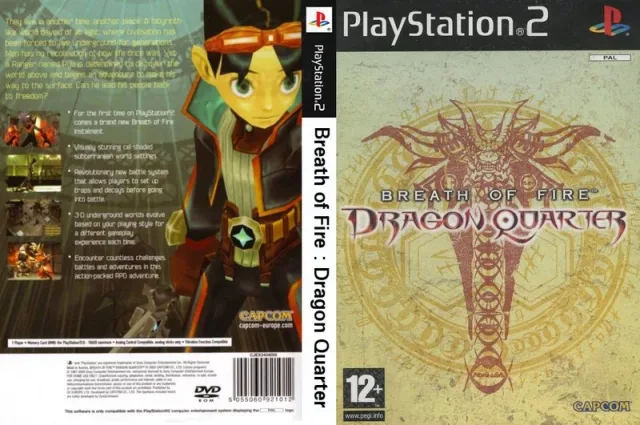 0.9GB
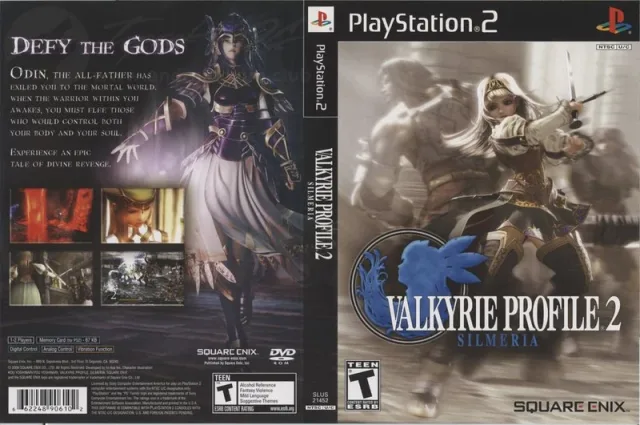 3.5GB
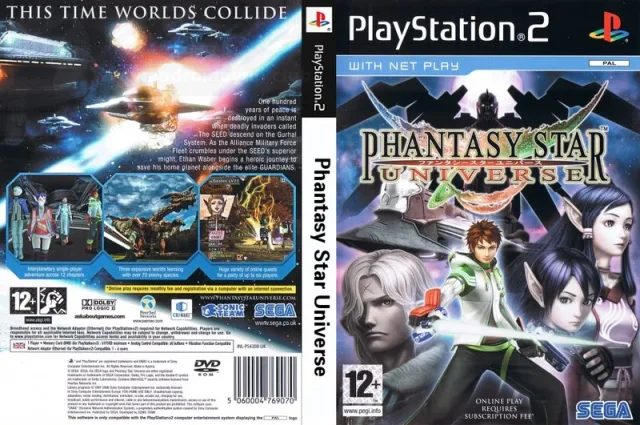 3.4GB
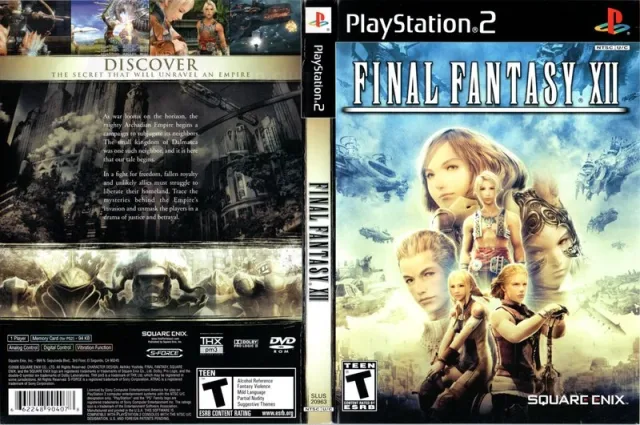 3.4GB
 0.7GB
loading comments…