 1.4GB
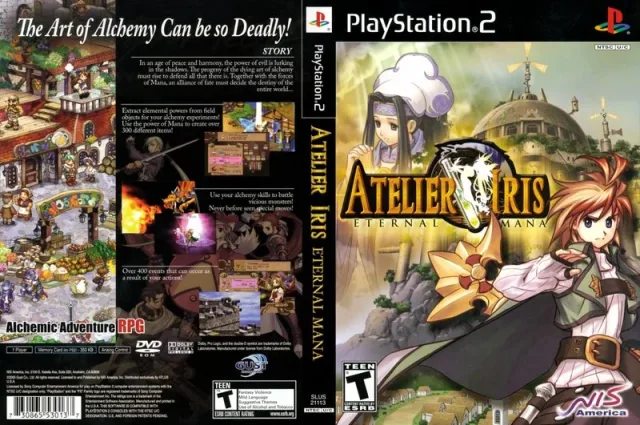
Atelier Iris - Eternal Mana
RPG 2005
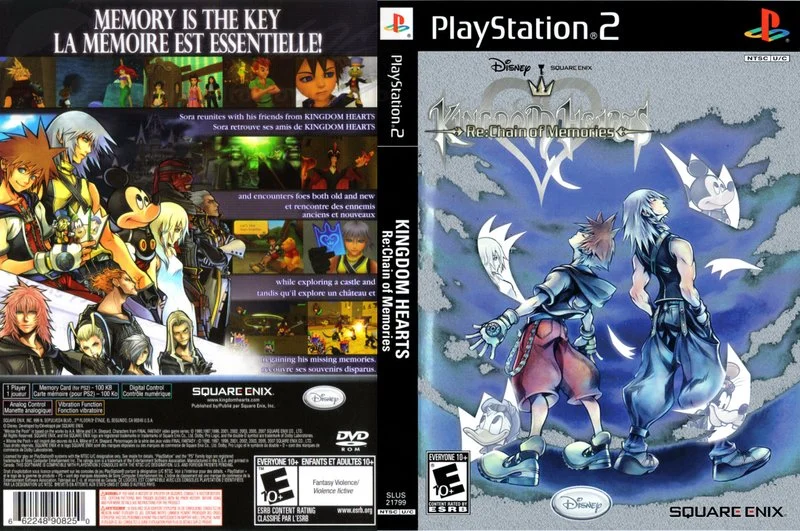
Every fight is a deck. Attack cards, magic cards, item cards, each stamped with a number from 0 to 9, and a higher card breaks a lower one. That is the whole grammar of the combat, imported wholesale from a Game Boy Advance game and rebuilt in polygons on hardware that could finally show Sora swinging the Keyblade at full size. It remains the strangest thing Square Enix ever did with this series.
The structure is just as odd. Castle Oblivion's floors are assembled by the player from map cards dropped by enemies, so the rooms themselves are a resource: one card makes a space thick with strong Heartless, another makes a treasure room, another gates progress until you have the right type. Disney worlds return as memories, thinly sketched and deliberately so, because the story is about Sora losing hold of them. It means the familiar locations feel like reruns, which is the point and also occasionally a chore.
Where the remake earns its existence is friction. Reloading the deck takes longer each time you do it in a single fight, so a long boss becomes a question of management rather than reflex. Card breaks cut both ways, and enemies will snap your attack out of the air with a zero card if you get greedy. Sleights, which combine three cards into a single stronger move, consume the first card for the rest of the battle. Marluxia and Larxene do not tolerate sloppy decks.
The PS2 version adds full voice acting, reworked cutscenes and a proper third-person camera, plus a small set of new sleights and a card-duel mechanic against bosses. It also exposes the limits of the design: in three dimensions the arenas feel emptier than the GBA's flat rooms suggested, and Sora's movement is stiff compared with what the second numbered game had already established. Riku's separate campaign, unlocked afterwards, strips out deck-building entirely and runs on preset decks and a corruption gauge, which is either a relief or a loss depending on how you took to the system.
It arrived late, first as a Japanese bundle companion to the Final Mix release and then on its own in the West, and for years it was the missing piece for anyone who had played the first and second games and wondered who Naminé was. Play it now and the card system reads less like a compromise and more like a genuine experiment the series never repeated.
1.4GB  6.9GB
 2.0GB
 0.9GB
 3.5GB
 3.4GB
 3.4GB
 0.7GB
loading comments…