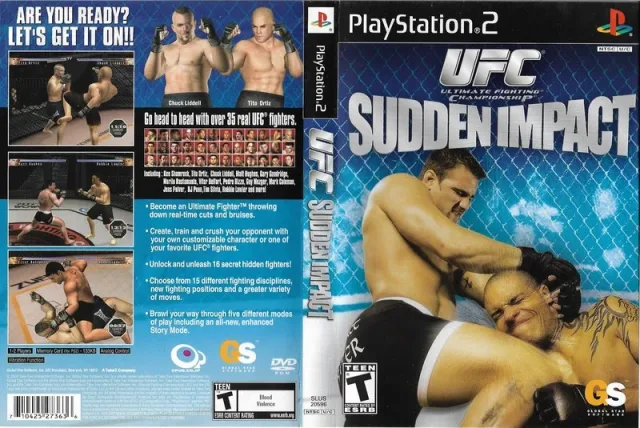
 1.3GB
1.3GB UFC - Ultimate Fighting Championship - Sudden Impact
Fighting 2001

Knock Juggernaut hard enough into the wrong wall and the fight moves house. Whole sections of the arena give way, dumping both fighters into a new tier of the same location, and the round carries on down there. It is the one idea Paradox Development built this sequel around, and it does more than the roster or the licence to explain why the game feels different from the two Mutant Academy titles that preceded it on PlayStation.
Those earlier games were fighters played on a plane, with a sidestep bolted on. Next Dimension takes the name literally and gives everyone genuine free movement, which changes the spacing entirely. You circle, you close, you get punished for approaching in a straight line. The combat still leans on the Mutant Academy vocabulary of light and heavy strings, launchers and a super meter that feeds character-specific mutant attacks, so Nightcrawler teleports out of pressure and Cyclops opens up at range while Sabretooth wants to be in your chest. It is not a deep fighter by the standards of what else was on the machine in 2002. Combos are short, the blocking is forgiving, and a competent player finds the reliable strings within an hour.
What holds up better than expected is the story mode. Bastion and the Prime Sentinels drive a campaign that hands you a different X-Man or villain nearly every chapter, with fully voiced cutscenes between bouts rather than the usual arcade ladder and a still image at the end. The writing is comic-book house style, sincere and slightly stiff, but the structure means you actually cycle through the roster instead of picking Wolverine and never moving. Forge, Bishop and Havok get real screen time, which was rare treatment for the licence.
The presentation shows its budget. Character models are clean and the mutant powers read clearly in motion, but the arenas are plain between their collapsing set pieces, and the camera occasionally loses the plot when a fight drifts to a corner. Load times between rounds are longer than a fighting game can comfortably carry.
As the last thing Paradox made with these characters before the licence moved on to third-person action, it is a decent send-off rather than a great fighter. Two players who both know the systems will find its limits quickly. Two players who grew up on these characters will spend the evening arguing about whether Magneto should be allowed, and that was always the point.
1.3GB 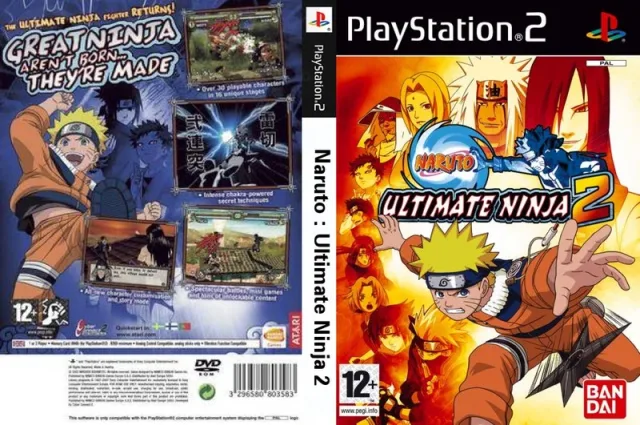 1.1GB
1.1GB 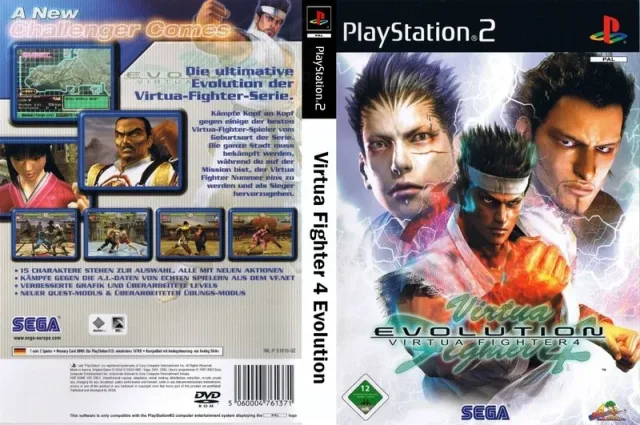 0.9GB
0.9GB 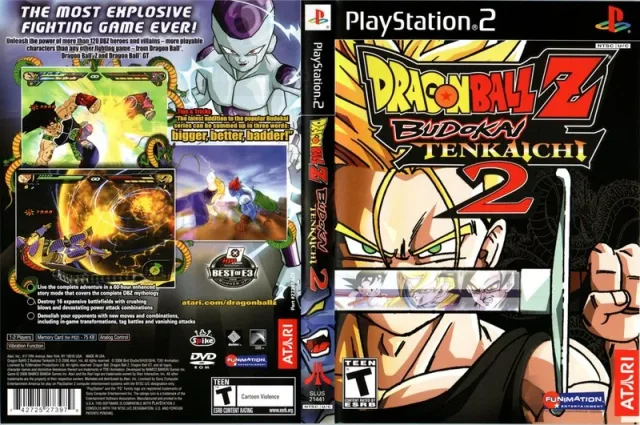 1.6GB
1.6GB  3.0GB
3.0GB  1.6GB
1.6GB  0.5GB
0.5GB  0.5GB
0.5GB loading comments…