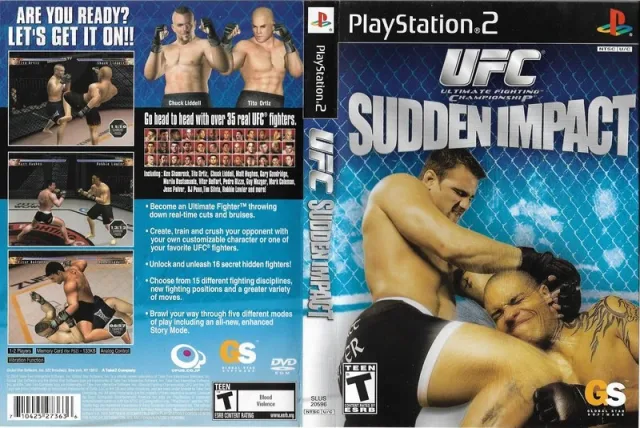
 1.3GB
UFC - Ultimate Fighting Championship - Sudden Impact
Fighting 2001
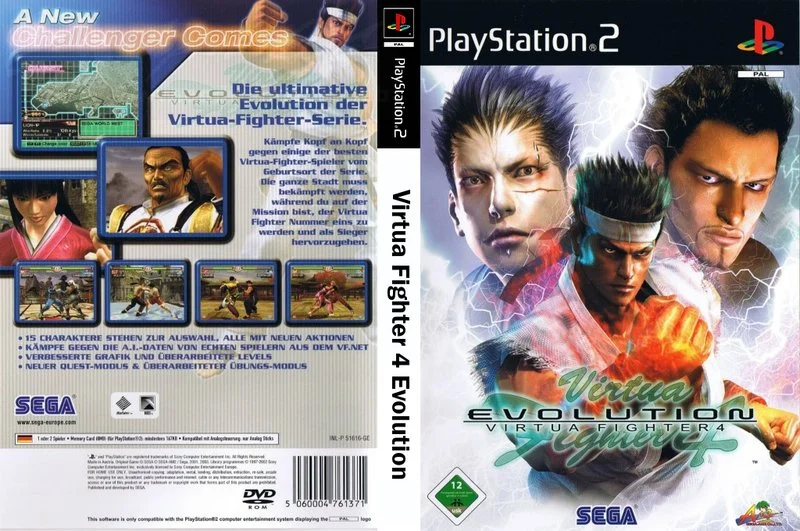
The first thing Evolution asks of you is to stop mashing. Virtua Fighter 4 was never a game that tolerated it, and this revised version sharpens that stance. There are three buttons: punch, kick, guard. Everything else comes from direction, timing and knowing what your opponent cannot do in the next half second. It looks sparse beside the flashier fighters of the period, and that sparseness is the entire point.
The design is built on throws, counters, and the cold arithmetic of frame advantage. Stages have walls, uneven edges and ring-outs that change what a position is worth. Characters carry large move lists, but the game rewards understanding a handful of tools deeply over memorizing everything. Evolution reworked balance from the original arcade release and added Vanessa's and Lei-Fei's rivals in the form of new combatants Brad and Goh, along with a slate of fresh stages and costume options. The changes are modest on paper, yet competitive players noticed them straight away.
The console version's centerpiece is Kumite, a single-player mode in which you climb through ranks against AI opponents that mimic the habits of real players. It also lets you build and train a character, collecting items and customizing appearance as you progress. It works as a slow education: the game pushes you toward real technique instead of handing out victories. Order mode and a thorough training area make the lessons easier to absorb, and the training tools remain better than what many later fighters shipped with.
On the PS2 the visuals were among the strongest the system produced for the genre. Animation is smooth, with weight in every hit, and the clean 3D models avoid the clutter that dated plenty of fighters from that era. The presentation is spare, though. Menus are plain and the story elements are minimal, so anyone wanting spectacle or narrative will find little to hold them.
What holds up is the discipline. Modern fighting games lean on assists and generous inputs, and this one still demands that you earn every opening. That makes it tougher to love at first, and hard to replace once you do.
1.3GB 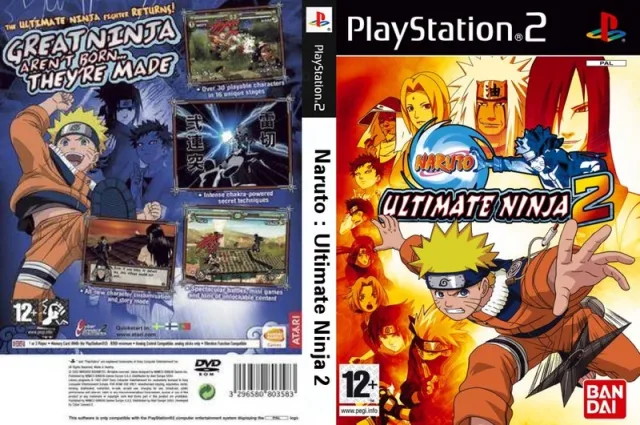 1.1GB
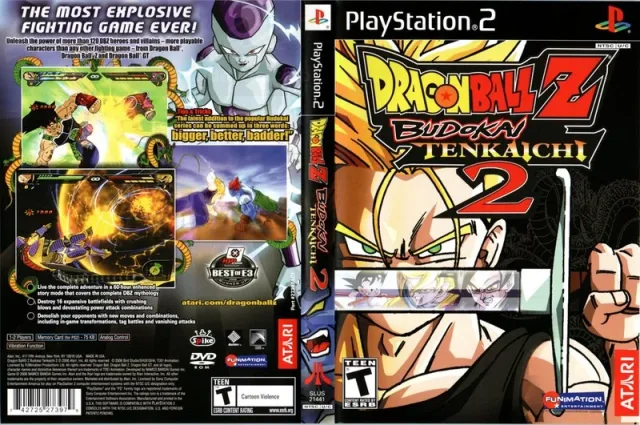 1.6GB
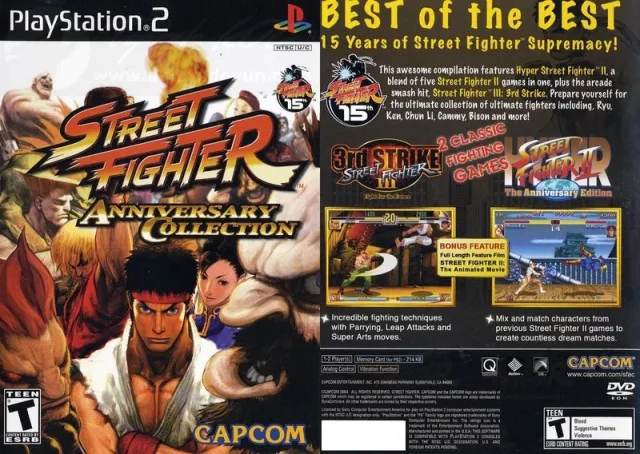 3.0GB
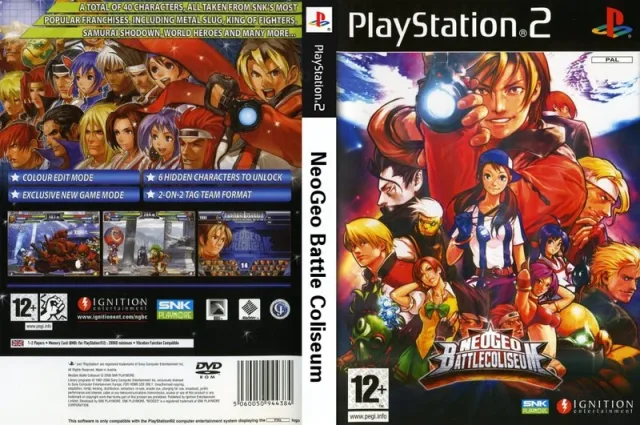 1.6GB
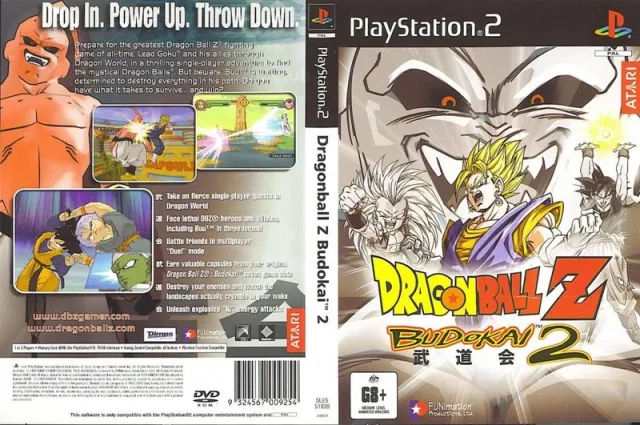 0.5GB
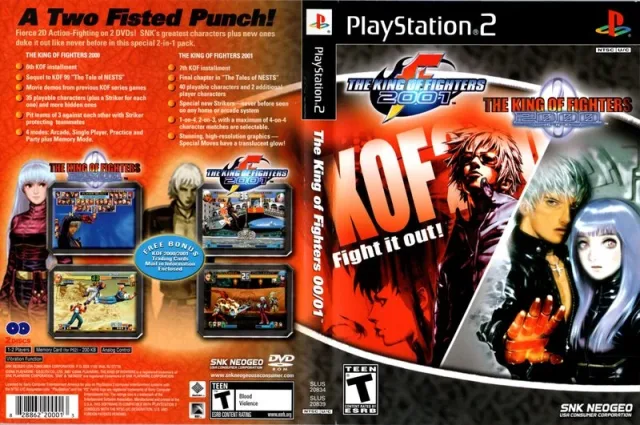 0.5GB
 0.7GB
loading comments…