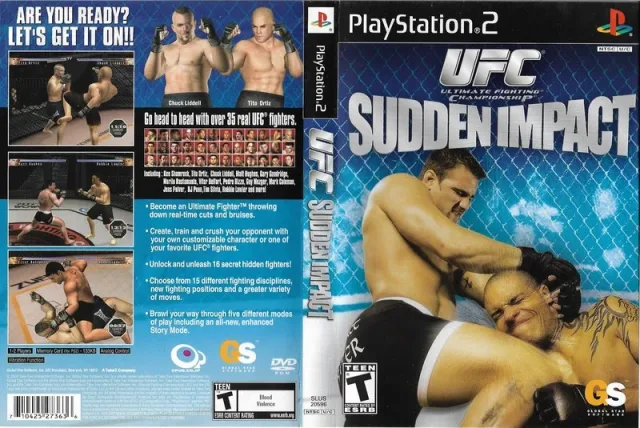
 1.3GB
1.3GB UFC - Ultimate Fighting Championship - Sudden Impact
Fighting 2001

Sanji has a lollipop instead of a cigarette and Zoro is called Zolo. That single detail dates this thing more precisely than any technical spec could, because it places it squarely in the brief window when 4Kids held the western One Piece license and Bandai was pushing Ganbarion's fighting games out to an audience that mostly knew the show from Saturday morning. Anyone who came to the manga later will find the voice track a curiosity at best.
The fighting underneath is better than its reputation. It descends from the Grand Battle series, which means arenas rendered in 3D but fought along a lane, with sidesteps, wall bounces and a constant rain of items and support characters interrupting whatever plan you had. Attacks are simple: a light string, a launcher, a gauge that feeds special moves drawn straight from the anime. Depth comes from spacing and from reading the chaos, not from execution. It is closer to a party brawler than to a technical fighter, and it knows that.
What separates this one from its predecessor is the Grand Adventure mode itself, a board-game crawl across the Grand Line where you sail between islands, spend and collect cards, and stumble into fights that are sometimes wildly stacked against you. It is padded and repetitive across a full run, but it gives the roster and the unlockables a shape that a plain arcade ladder never had, and the card system rewards a player who keeps notes on what each island tends to throw at them.
The roster leans on the Alabasta arc and just past it, which is where the anime stood at the time, so no Water Seven, no Enies Lobby. The presentation is bright cel-shading that has held up far better than the muddy realism its contemporaries chased.
With four controllers and people who do not care about frame data, it still works. Alone, the seams show quickly, and you notice how much of the game is a licensing snapshot of a series that had barely started.
1.3GB  1.1GB
1.1GB  0.9GB
0.9GB  1.6GB
1.6GB 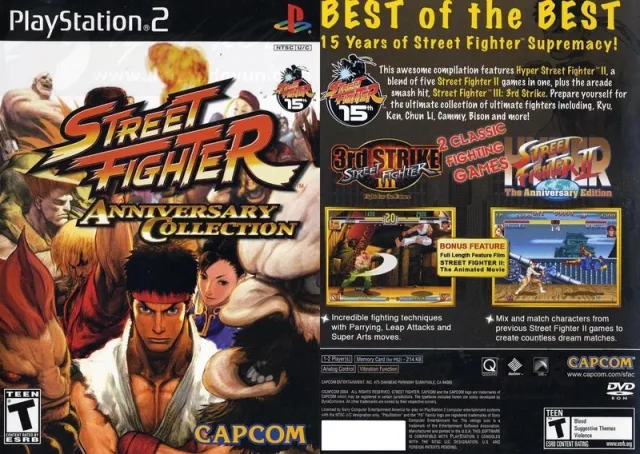 3.0GB
3.0GB 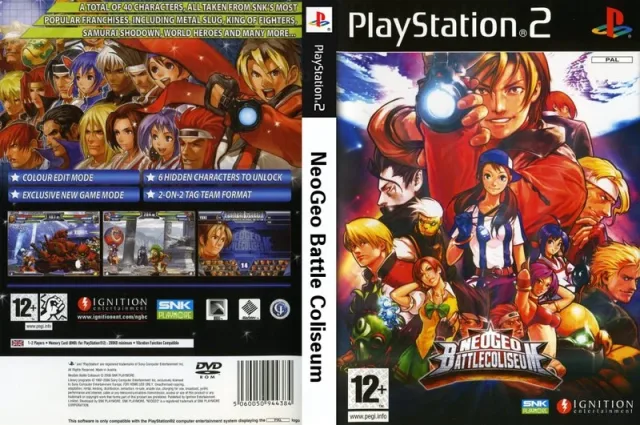 1.6GB
1.6GB 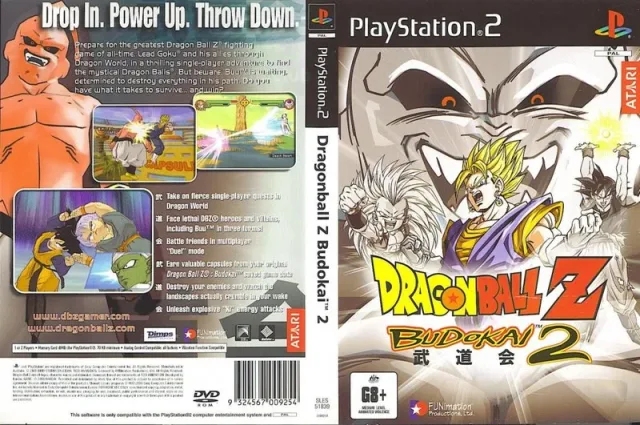 0.5GB
0.5GB 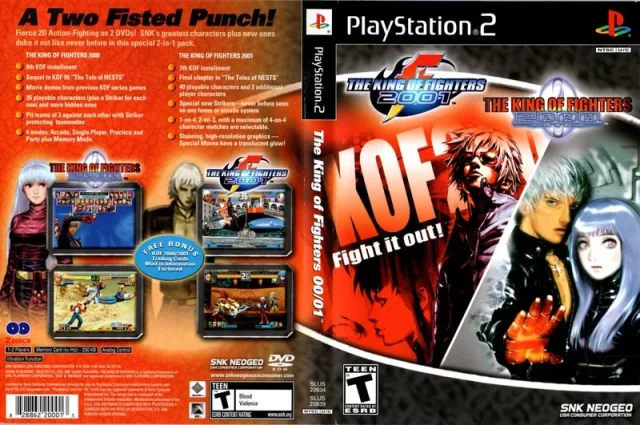 0.5GB
0.5GB loading comments…