 1.3GB
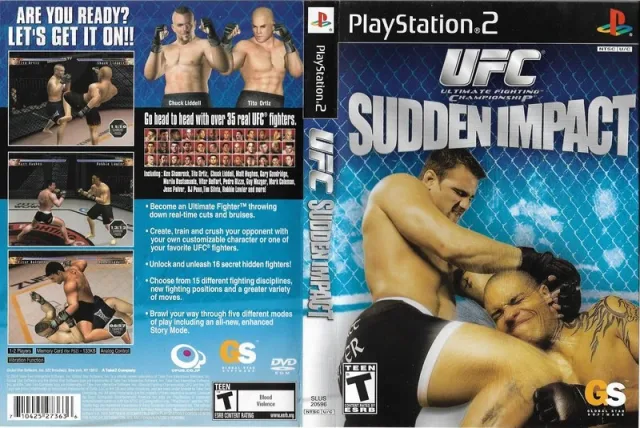
UFC - Ultimate Fighting Championship - Sudden Impact
Fighting 2001
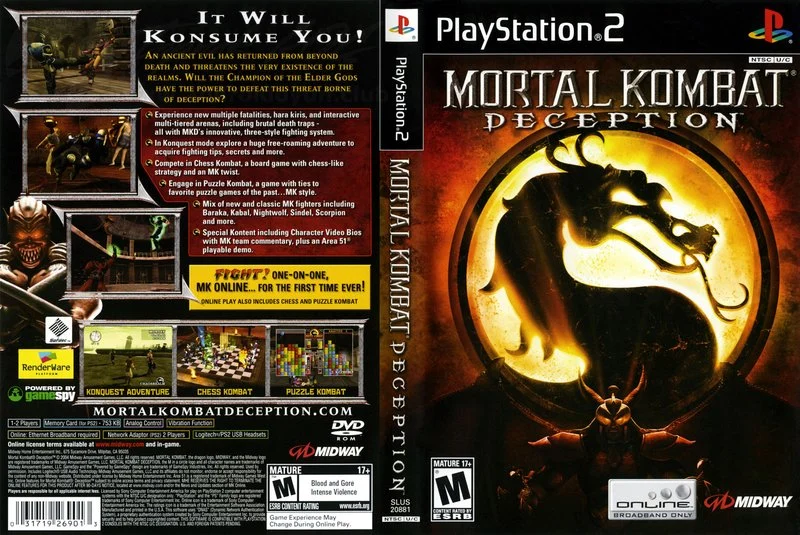
Getting knocked into a wall of spikes was, in 2004, a genuinely rude idea. Midway built entire stages around it — acid pools, subway trains, rooftop drops — so that a round could end not with a finisher but with a badly timed uppercut carrying you into scenery. Death traps changed how people played. Corner pressure meant something different when the corner was a hole, and the smartest players spent as much attention on where they were standing as on what they were pressing.
The fighting itself refined the three-style setup introduced in Deadly Alliance. Every character carries two unarmed stances and a weapon, switched on the fly, and combos are built by breaking across them mid-string. Deception's real addition was the combo breaker, a resource-limited escape that finally gave the defender something to do besides watch. It is not a deep system by the standards of what came later, but it has structure, and the weapon stances give each fighter a distinct reach and rhythm rather than a palette swap.
Then there is everything else crammed onto the disc. Konquest abandoned the tutorial arena of the previous game for a sprawling third-person quest following Shujinko across the realms, complete with fetch errands, awkward collision and voice acting that lands somewhere between earnest and unfortunate. It is genuinely long. It is also the closest the series had come to explaining its own mythology at length, and for anyone who cared about Onaga and the fractured Elder Gods plot, that mattered. Chess Kombat and Puzzle Kombat sat alongside it, the latter a competent falling-block game with chibi versions of the roster.
The roster leaned hard on newcomers — Havik, Ashrah, Hotaru, Kobra, Dairou — because the previous game had killed off most of the familiar faces in its opening cinematic. Some of them stuck around in the series. Most did not. The PS2 version also carried online play, unusual for a console fighter at the time and long since dark, which leaves the game as a local proposition now.
What holds up is the arena design and the sheer willingness to throw unrelated modes at the player without apology. What has aged is the animation, which stiffens visibly next to anything from the reboot era, and a Konquest mode that asks for patience it rarely repays. Deception is the last Mortal Kombat that felt like a box of loose ideas rather than a product, and the mess is most of its charm.
1.3GB  1.1GB
 0.9GB
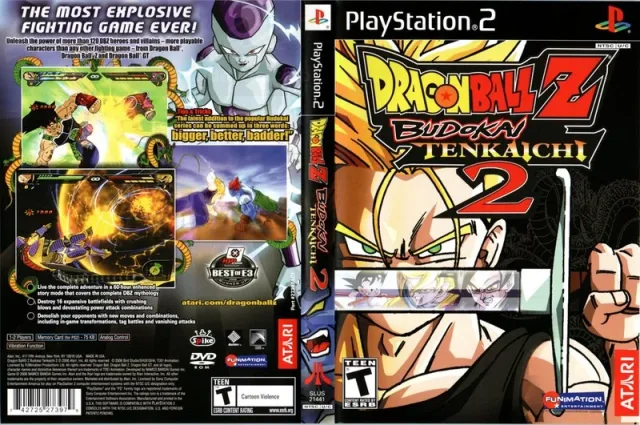 1.6GB
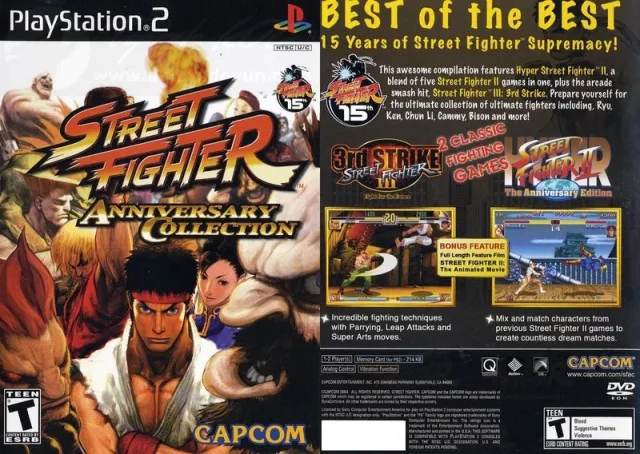 3.0GB
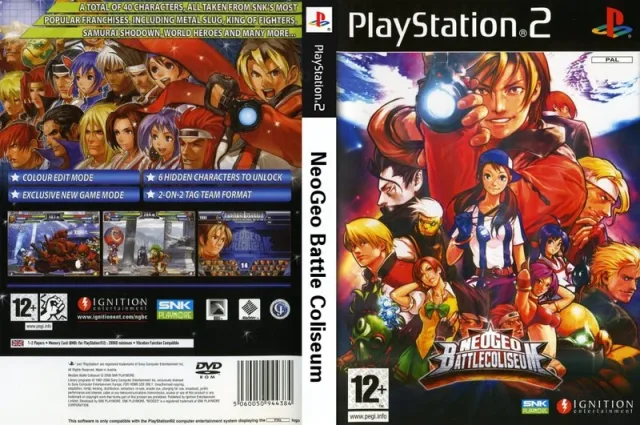 1.6GB
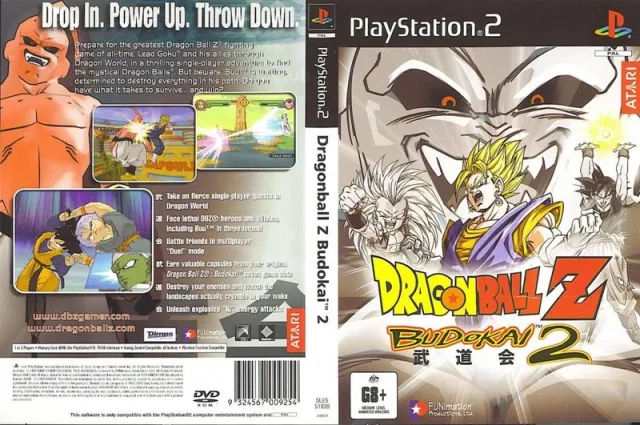 0.5GB
 0.5GB
loading comments…