 1.3GB
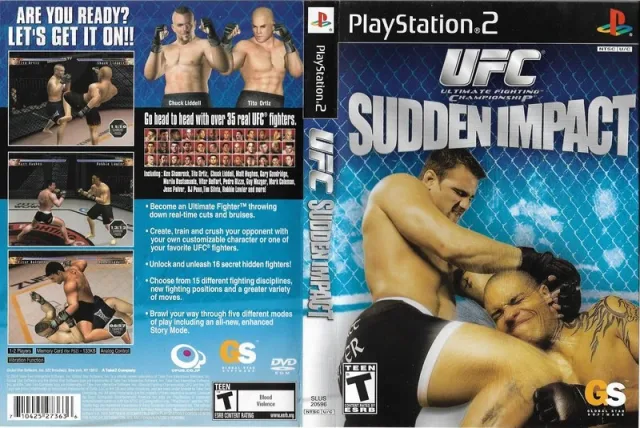
UFC - Ultimate Fighting Championship - Sudden Impact
Fighting 2001
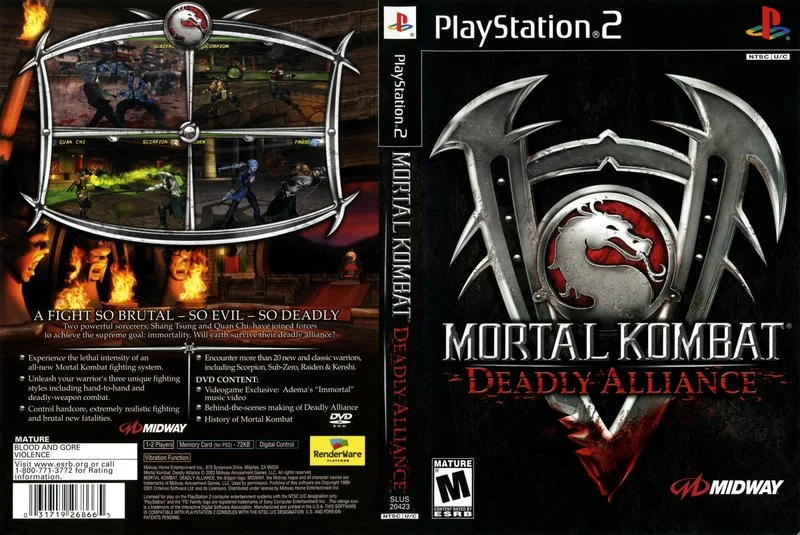
Killing your mascot in the opening cinematic is a statement. Liu Kang, the hero of the first three games, gets his neck broken by Shang Tsung before the player has touched a button, and the series that had spent five years lost in side projects and bad 3D suddenly had stakes again. Midway needed that clean break. What followed was the first Mortal Kombat built from scratch for the sixth generation, and the first one in years that people actually wanted to play for its fighting rather than its gore.
The defining system is the three-style stance switch. Every character carries two hand-to-hand styles and one weapon, mapped to a single button, and the whole design pushes you to rotate between them mid-combo — open with a grappling style, tag into the weapon for reach, drop back out. It is a clever way to give thirty-odd characters distinct feel on a budget, and it also papers over the fact that no individual style has much depth on its own. Combos are short. Juggles are the real currency. Fatalities returned, one per fighter, and they are deliberately more anatomical and less cartoonish than the sprite-era finishers.
Around the fighting sits the stuff that made this the first Mortal Kombat worth owning alone. Konquest is a long chain of character-specific training missions that doubles as the best tutorial the series had ever shipped. The Krypt is the more memorable idea: a graveyard of hundreds of numbered coffins you unlock with koins earned in every other mode, hiding alternate costumes, concept art, arenas and a handful of hidden fighters. It turns grinding into archaeology, and it is genuinely compulsive, right up until you realise how much of what you paid for is a piece of unused artwork.
Among the new faces, Kenshi and Frost stuck; the roster additions were mostly sound, even if the cast reads thin next to what Deception and Armageddon would pile on later. The presentation has aged in the usual PS2 way — stiff faces, flat lighting, arenas that look like dioramas — but the hit reactions still land with the blunt weight this series trades on.
As a fighting game it sits well below its 2D ancestors in mechanical depth, and competitive players moved on quickly. As a piece of series history it matters more than almost any other entry, because it established the template of unlockables, story momentum and reinvention that Mortal Kombat has run on ever since. Everything after it is a refinement of the bargain struck here.
1.3GB  1.1GB
 0.9GB
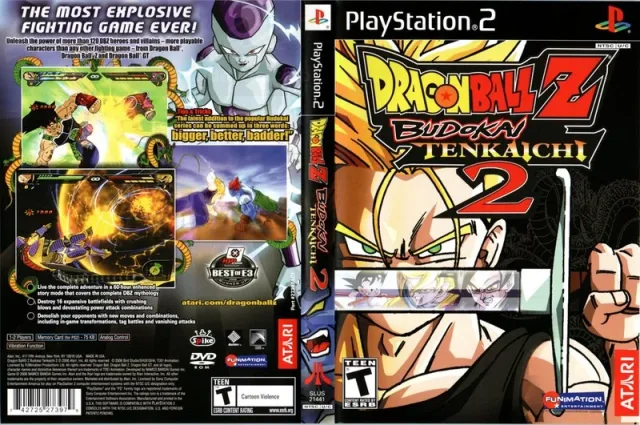 1.6GB
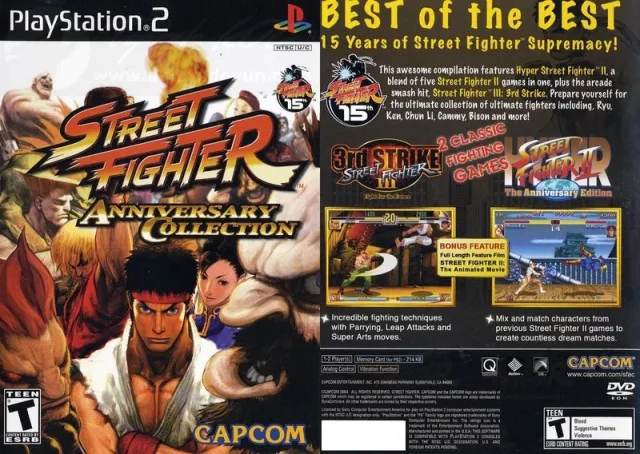 3.0GB
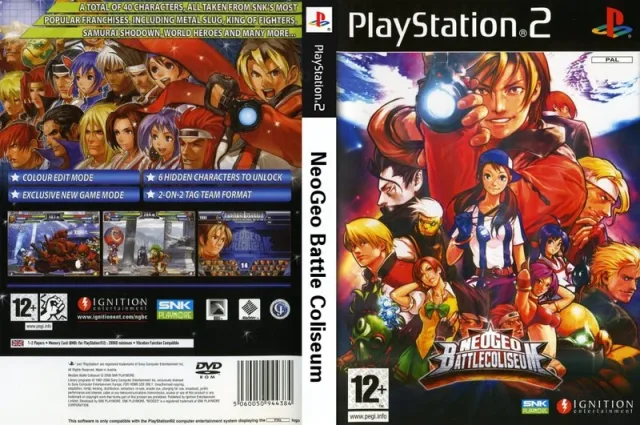 1.6GB
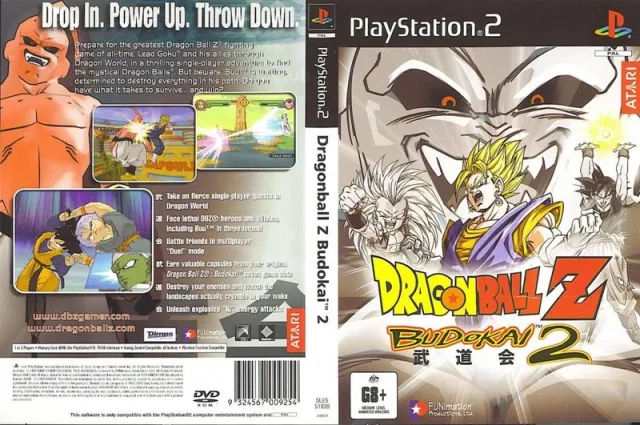 0.5GB
 0.5GB
loading comments…