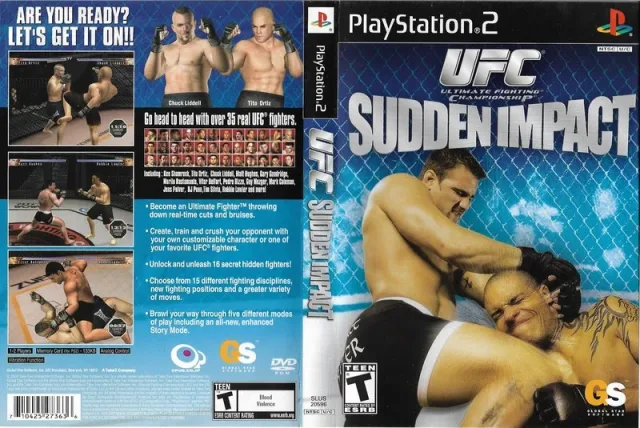
 1.3GB
1.3GB UFC - Ultimate Fighting Championship - Sudden Impact
Fighting 2001

Nothing about the soundtrack makes sense. Six screens of superheroes tearing each other apart, hyper combos filling the screen with light, and underneath it all a loop of noodling smooth jazz that sounds like it wandered in from a hotel bar. It is one of the strangest tonal choices Capcom ever committed to, and thirty seconds into a match you stop noticing, because the fighting has already taken over.
The structure is three characters per side, one active, two waiting as assists. Two attack buttons instead of the usual six, two assist buttons, and a launcher that starts an air combo you can extend for as long as your timing and your team allow. That simplification is why the game reads as accessible and plays as anything but. Once you learn to call an assist to cover a gap, snap a hurt character back onto the front line, or cancel one hyper into a partner's, the ceiling disappears. Fifty-six characters were dragged in from Marvel's roster, the Street Fighter series, Darkstalkers, and a few corners of Capcom's back catalogue that nobody expected to see again. Almost none of them were balanced against each other.
That imbalance turned out to be the game's engine rather than its flaw. A handful of characters — Magneto, Storm, Sentinel, Cable — dominated high-level play for two decades, and the competitive scene simply built its whole culture inside that narrow space, arguing about assist choices and resets long after the arcade cabinets were gone. Below that level, the roster is a toy box. The unlock system, which drips characters and colours out in exchange for points earned by playing, keeps a solo player busy for longer than it has any right to.
The PlayStation 2 conversion is the compromised one. Sprites are compressed against the original Naomi output, the backgrounds lose detail, and the frame rate hitches when the screen fills with projectiles and supers — precisely the moments when the game is at its most demanding. The Xbox and Dreamcast versions look and run better. What survives intact is the timing, and for most of the game's life on console this was the version people actually owned, learned on, and hauled to someone's basement.
It should not work. A crossover with no pretence of balance, a mismatched art pipeline, music from another planet entirely. Yet the moment three characters are on screen and the assists start stacking, it becomes clear why players kept coming back to this one for twenty years while tidier fighters faded.
1.3GB 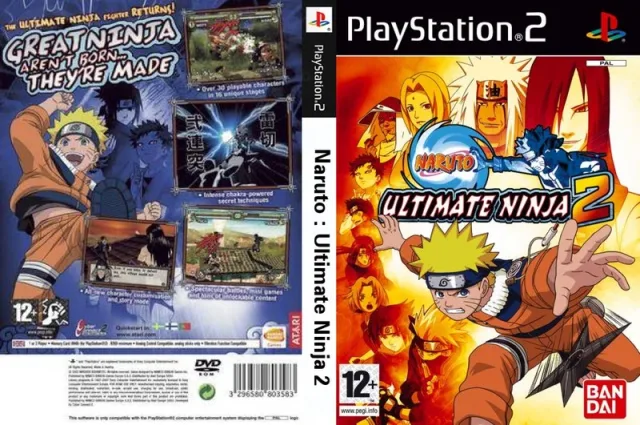 1.1GB
1.1GB 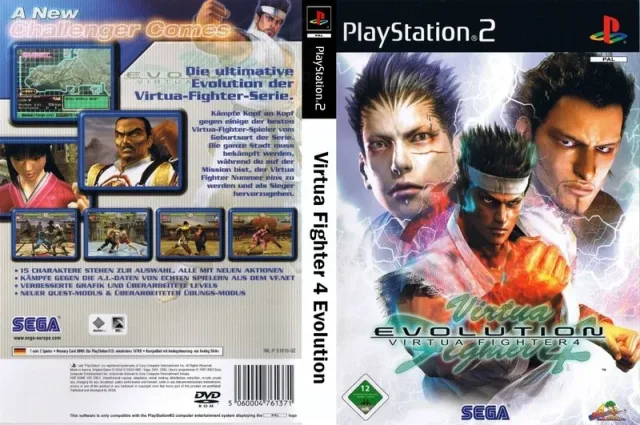 0.9GB
0.9GB 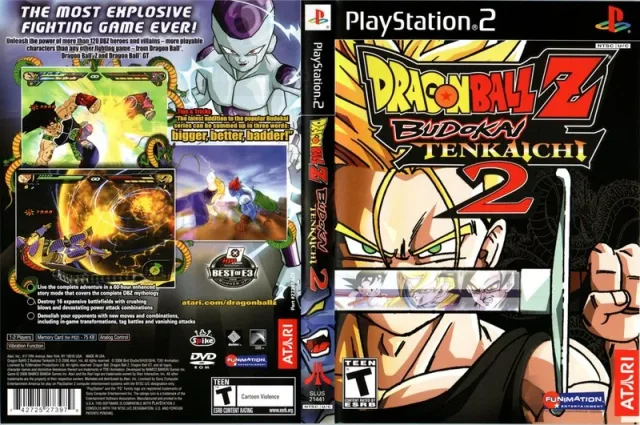 1.6GB
1.6GB  3.0GB
3.0GB  1.6GB
1.6GB  0.5GB
0.5GB  0.5GB
0.5GB loading comments…