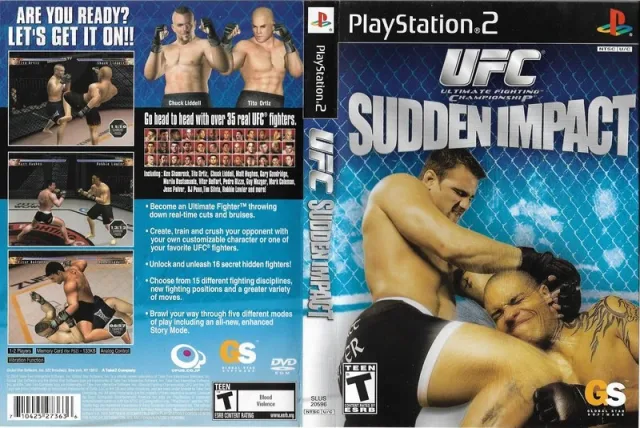
 1.3GB
UFC - Ultimate Fighting Championship - Sudden Impact
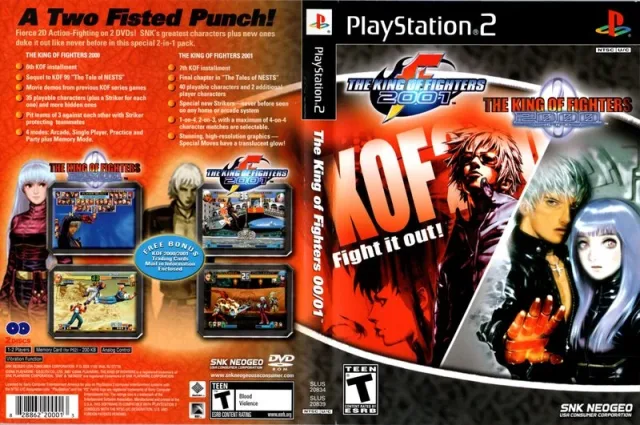
Fighting 2001
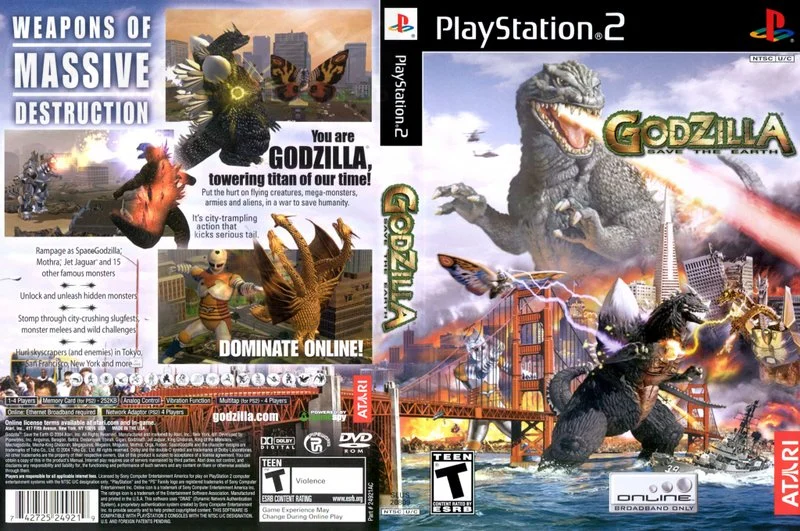
Picking up a skyscraper and swinging it like a club is the first thing most players try, and the game is built so that it works. Buildings in Pipeworks' 2004 kaiju brawler are not scenery; they crumble under a tail swipe, block a charging Anguirus, and can be torn loose and thrown. The arenas shrink as you fight. By the last thirty seconds of a close match in San Francisco or Osaka, the two of you are stomping around a flattened grid with nothing left to hide behind, which is exactly the right shape for a fight between things this size.
It is the sequel to Destroy All Monsters Melee, and the improvements are the sensible kind: a bigger roster drawn deep from Toho's catalogue, four-player support, and a rebuilt energy system that rewards ranged attacks and beam duels rather than turning everything into a grapple contest. Each monster carries its own weight class and rhythm. Mothra flutters and pesters, Destoroyah hits like a truck, the various Mechagodzillas lean on ordnance. Nobody here moves quickly, and that is the point — the controls have deliberate weight, and learning a character means learning how long it takes to commit to anything.
As a fighting game in the technical sense, it is shallow. Combos are limited, spacing matters more than execution, and a determined player can win a lot of matches with one reliable throw and patience. What saves it is the fiction. Very few games have understood that kaiju fights are less about frame data than about two enormous animals shoving each other through infrastructure, and this one understood it completely.
The single-player content is functional rather than generous: ladder-style progression, unlockable monsters and skins, a points economy for upgrading stats. Fine on its own, forgettable next to a room with four controllers in it. That is where the game still lives. Camera trouble in four-player mode is real and never quite gets solved, and the textures were dated even in 2004, but the physics of collapse have aged better than the visuals around them.
Atari's licensed output in this era was mostly disposable, which makes it stranger that someone let Pipeworks spend three games learning how to make giant monsters feel heavy. Save the Earth is the middle one and the best balanced of them. Turn it on with friends who grew up on Sunday-afternoon Toho movies and the thing more or less sells itself in the first minute, when someone realises the bridge is load-bearing.
1.3GB 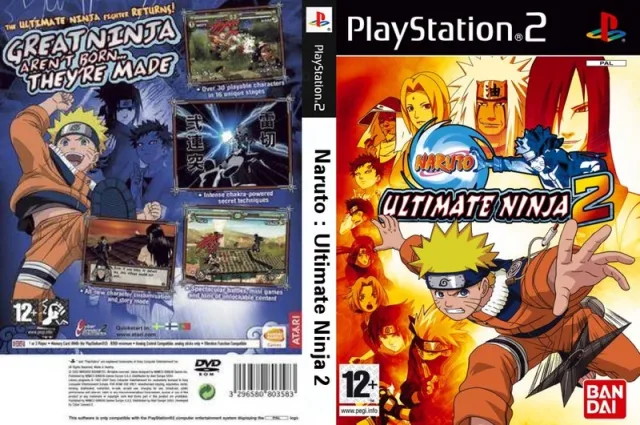 1.1GB
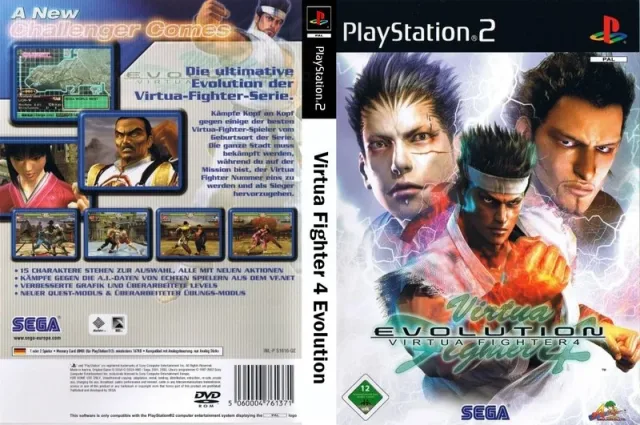 0.9GB
 1.6GB
 3.0GB
 1.6GB
 0.5GB
 0.5GB
loading comments…