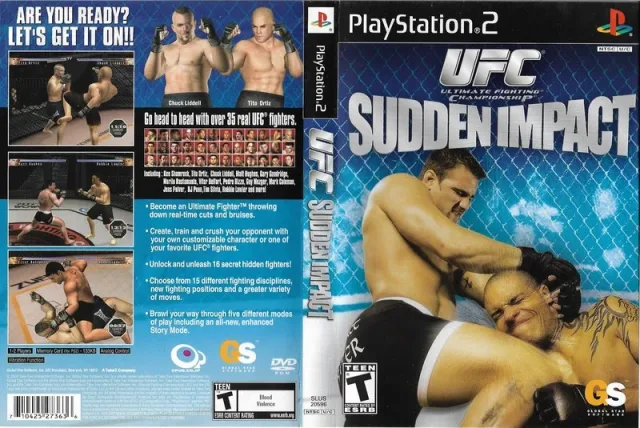
 1.3GB
1.3GB UFC - Ultimate Fighting Championship - Sudden Impact
Fighting 2001

Knock someone off a temple balcony and the fight does not stop; it follows them down, the camera scrambling to keep up as they crash onto the tier below and take damage for the trouble. That falling-through-the-architecture trick was the calling card of Dead or Alive 2, and Tecmo's PS2 revision, subtitled Hardcore, is where it looked best. Stages fold outward instead of boxing you in, and a well-placed launcher near a ledge is worth more than a combo memorised from a training mode.
The fighting itself runs on a three-way logic that DOA has never really abandoned. Strikes beat throws, throws beat holds, holds beat strikes, and the hold is the part that separates players. It is a directional counter, read live off what the opponent is about to do, and a correct guess against a heavy attack can swing a round in a single input. Purists at the time called it a coin flip. It is not quite that, but it does mean matches move in lurches rather than the steady chip-and-poke rhythm of Virtua Fighter, which was Team Ninja's own point of comparison and open provocation.
Hardcore is a port with its sleeves rolled up rather than a sequel. It came out of the Dreamcast version with extra costumes, a reworked and considerably louder soundtrack, tag battles, a sparring mode and a gallery of the game's cutscenes, plus the running joke of unlockable outfits that the series would soon be defined by, for better and worse. Ein and Bankotsubo the tengu round out a roster that already carried Kasumi, Ryu Hayabusa and Bass Armstrong. Loading is brisk, and the game holds a clean frame rate that most early PS2 fighters could not.
What has aged is the presentation's swagger. The character models were show-off work in 2000 and now read as smooth, weightless mannequins, and the game's fixation on jiggle physics and swimwear feels less playful than tiresome two decades on. What holds up is the pace. Rounds are short, the counter system keeps both players honest, and stage transitions still produce moments no other fighter of the period could stage.
It is a fighting game built around spectacle that happens to have real mechanics underneath, and the strange thing is how many of its ideas the genre eventually borrowed back.
1.3GB 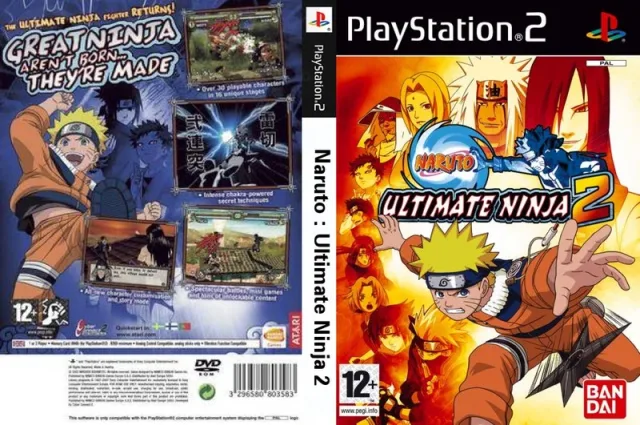 1.1GB
1.1GB 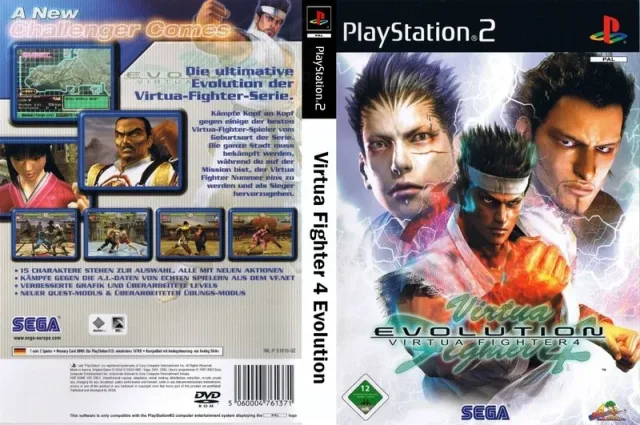 0.9GB
0.9GB 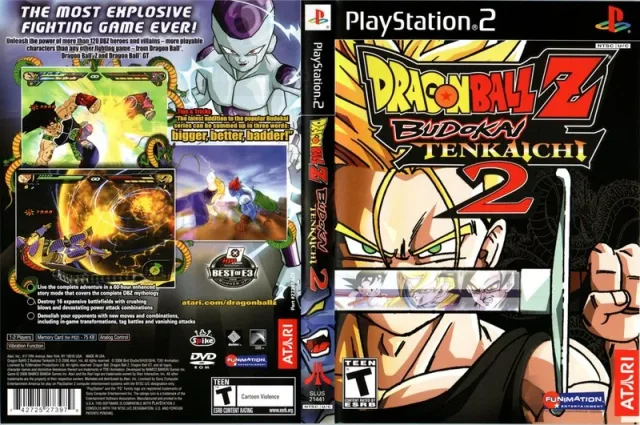 1.6GB
1.6GB  3.0GB
3.0GB  1.6GB
1.6GB  0.5GB
0.5GB  0.5GB
0.5GB loading comments…