 2.9GB
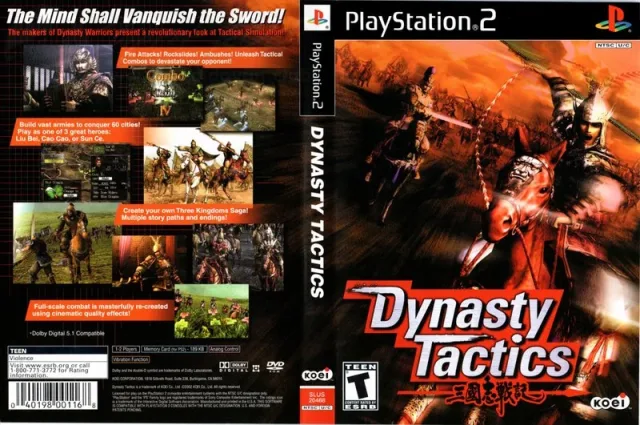
Dynasty Tactics
Strategy 2002
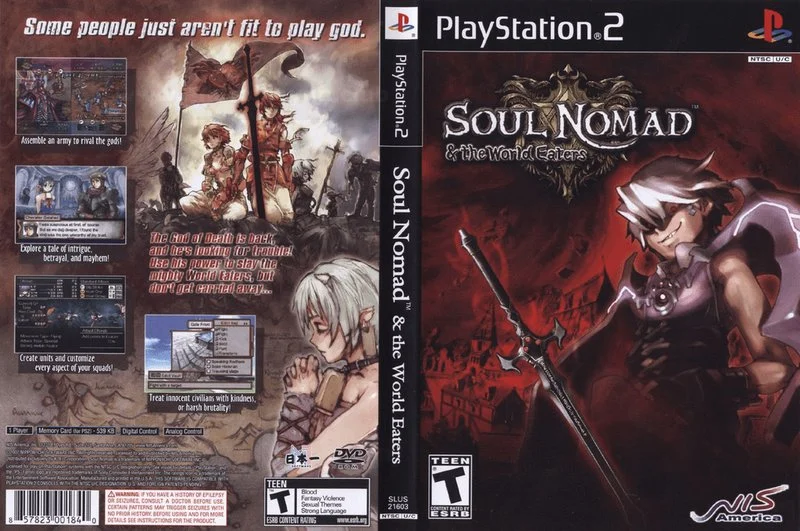
The sword talks, and it is not on your side. Gig, the World Eater sealed in the blade fused to the protagonist's soul, spends the game insulting everyone within earshot, including you, and the story's central tension is that you cannot win without feeding him. That bargain gives Soul Nomad its edge over the studio's cheerier tactical output: the jokes are still there, but the setting of Prodesto and the lands the World Eaters flattened is genuinely bleak, and the writing does not flinch from it.
Combat ditches the single-unit chessboard most of its peers use. You build Rooms, nine-slot grids holding a leader and up to eight soldiers, and move those Rooms across the map as one piece. When two collide, the fight resolves as a clash of formations rather than a trade of individual blows, so placement inside the Room matters as much as placement on the field. Front-row heavies absorb hits, back-row casters and archers reach past them, and Room decor items hand the whole squad passive buffs. It is a system that rewards tinkering in the menus between battles far more than reflexes during them.
That tinkering is also where the game asks the most patience. Recruiting, outfitting and arranging dozens of generic troopers eats hours, and the interface, like most Nippon Ichi work of the period, assumes you enjoy nested lists. The 2D sprites were already behind the curve on PS2 hardware in 2007, though the portrait art and the sheer volume of voiced sniping give the presentation a personality that outlives the pixel count.
The real reason the game still gets talked about is the Demon Path. Finish the main story and you unlock an alternate route, cut from the original Japanese release and restored for the Western version, in which you take Gig's offer and spend the campaign methodically annihilating the people you previously protected. It is not a joke mode. Characters you spent forty hours with die badly, and the game plays the consequences straight. Very few console RPGs of the era handed players an evil route with that much new content behind it.
It arrived late in the PS2's life, overshadowed by Disgaea, and never found the audience it deserved. What it has instead is a battle system nobody else copied and a second half that treats cruelty as a design subject rather than a punchline.
2.9GB  1.0GB
 0.3GB
 0.6GB
 0.5GB
 3.6GB
 0.4GB
 0.8GB
loading comments…