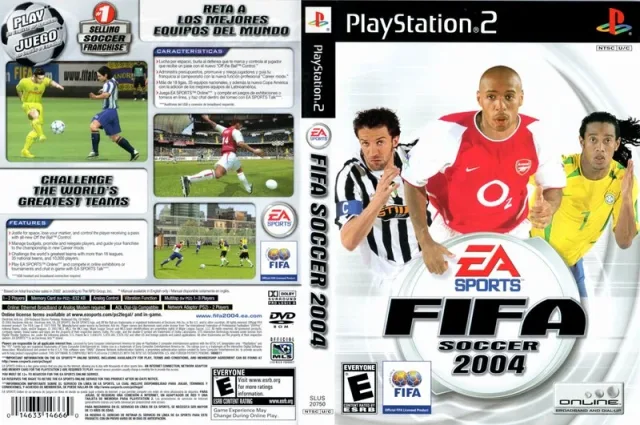
 2.1GB
FIFA Soccer 2004
Sports 2003
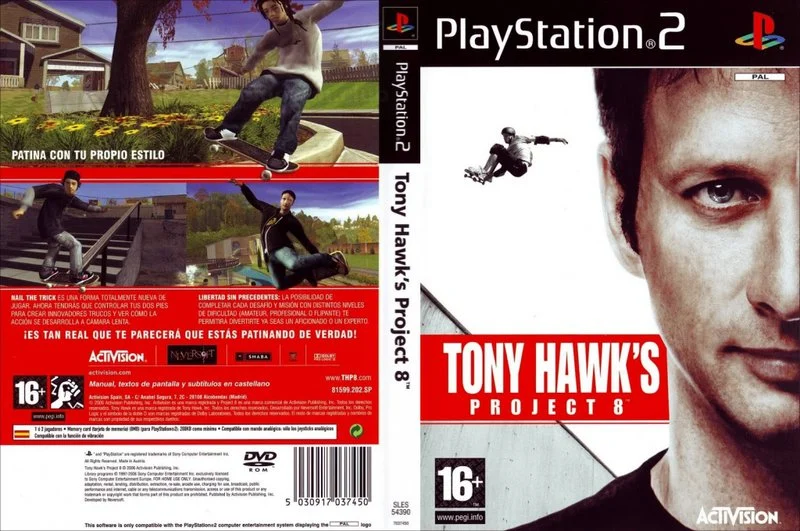
Being ranked 200th out of 200 is an unusual way to open a skateboarding game, and it is the one idea this entry commits to fully. Every session in the town exists to move that number down, from nobody to the eight skaters Tony Hawk deems worth his attention. Goals are stacked in layers of amateur, pro and sick difficulty, so a single line of cones or a single gap can be attempted three times over for three different payouts. It gives the free-roaming structure a spine that some of the later Neversoft-era games lacked.
What matters here is that the PlayStation 2 release is not a downscaled port of the version people remember from the 360 and PS3. Shaba Games handled this one, and the marquee feature of the new-generation build, the slow-motion Nail the Trick camera that let you flick the sticks to steer each foot independently, is not the centrepiece it was over there. What you get instead is a continuation of the older engine's habits: fast, forgiving, chained manuals and reverts, focus meters, spine transfers, the whole accumulated vocabulary of six years of sequels. That is either reassuring or stale depending on how many of those years you spent playing them.
The town itself is compact and readable, which the hardware demanded. Loading between districts is brief, skaters and pedestrians populate the streets thinly, and the draw distance keeps ambition in check. Frame rate holds up reasonably well under long lines, which for a game built on rhythm counts for more than texture detail. The trade is that the environment never feels like a place, only a set of surfaces graded by how much speed they carry into the next one.
By 2006 the series had a problem it could not design its way out of: the trick system was close to complete, and each new release had to justify itself with framing rather than mechanics. Project 8's ranking ladder is a decent piece of framing. It makes progress legible, it rewards replaying the same spot until you own it, and it avoids the plot-heavy nonsense the franchise would soon lurch toward. It does not, however, feel new.
For anyone who skipped a few entries, this is a solid place to rejoin, and the difficulty tiers mean you can set your own ceiling. For anyone who played every one, it is the sound of a series running out of things to say while still doing the thing very well. The board still handles beautifully, which somehow makes the familiarity easier to forgive.
2.1GB 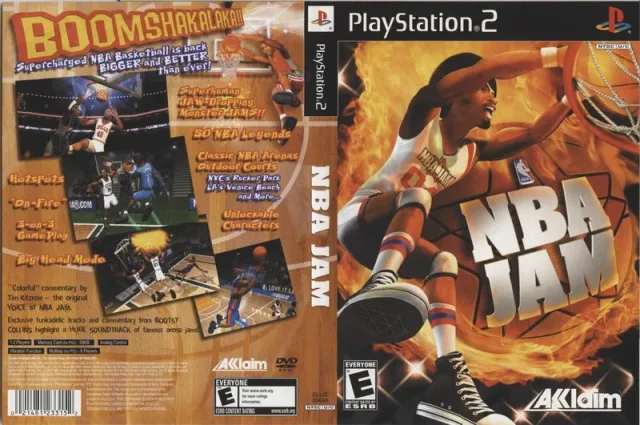 0.6GB
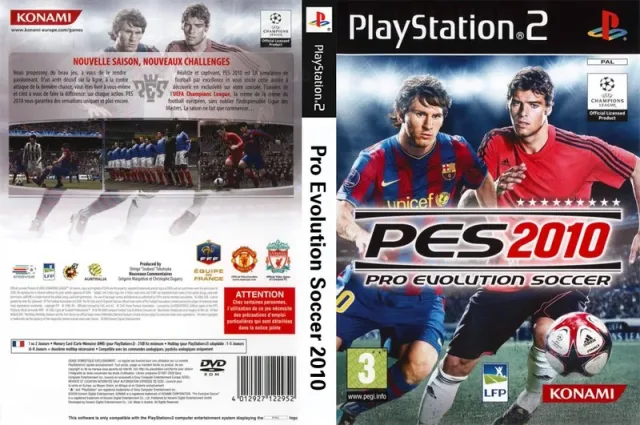 2.9GB
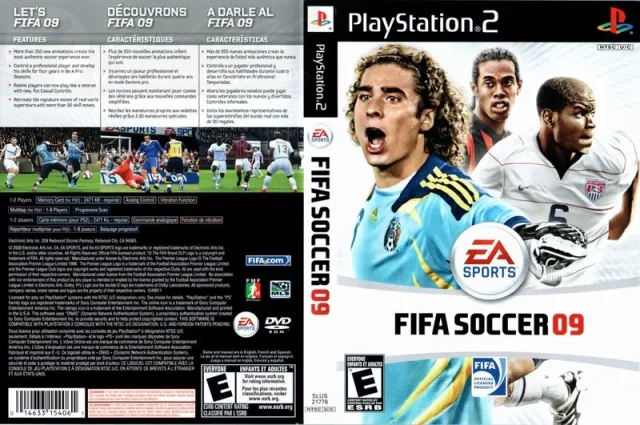 2.7GB
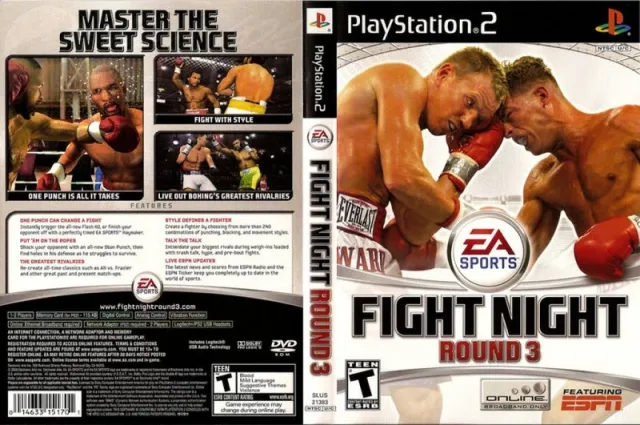 1.8GB
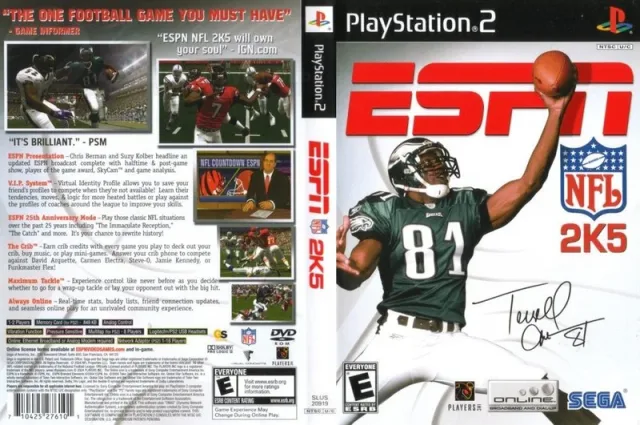 3.4GB
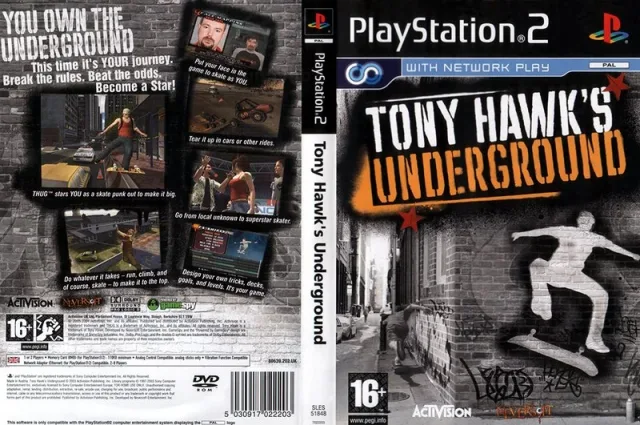 3.4GB
 2.0GB
loading comments…