 2.1GB
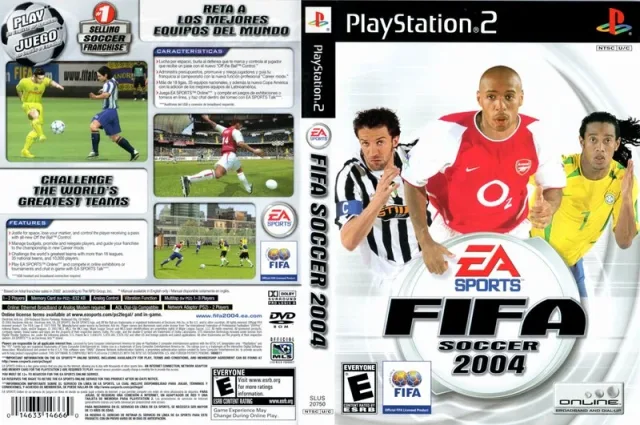
FIFA Soccer 2004
Sports 2003
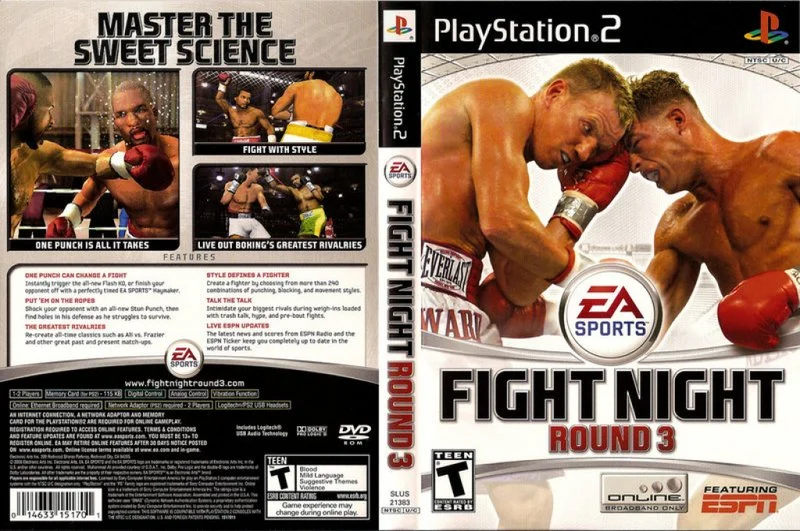
The right analog stick is the whole argument. Where earlier boxing games asked you to tap face buttons and hope the right punch came out, EA Chicago's third Fight Night gave you a stick to flick: sideways for hooks, up for a straight, down and around for uppercuts. Total Punch Control sounded like a gimmick on the box. In the ring it made throwing a punch feel like a physical decision, and it is why the game still has a following.
The rest of the design supports that idea. Your fighter is a body you manage, with a head that can be protected, a guard that can be slipped past, and a stamina bar that punishes anyone who flails. Big punches carry a tell, and landing a heavy shot slows the action for an instant so you can see the glove sink into a face. Cuts, swelling and a wobbling stagger build up over a fight, and a knockdown triggers a small mini-game where you fight to get back up. Some of this reads as showy now, but it serves the sense that damage is accumulating.
The career mode has you build a boxer from scratch and climb through the ranks, training between fights and chasing rivals, with a licensed roster of real fighters for exhibition play. It is functional rather than deep, and the loop of train, fight, repeat wears thin well before the end. Fights are where the game earns its keep, especially against opponents who punish a lazy habit.
This was a generation-straddling release. The PlayStation 3 and Xbox 360 versions got the attention for their visuals, and the PS2 edition is a scaled-down relative with simpler presentation and lower fidelity. That cost is real, yet the control scheme survived the trip intact, and it was the part that mattered. Playing it today, the animation looks stiff and the menus are plain, but the stick-driven combat still feels more considered than most sports games from the same period.
There is a lesson in how little else it needed. A good input idea can carry a game through its weaker stretches, and this one does exactly that, one clean hook at a time.
2.1GB  0.6GB
 2.9GB
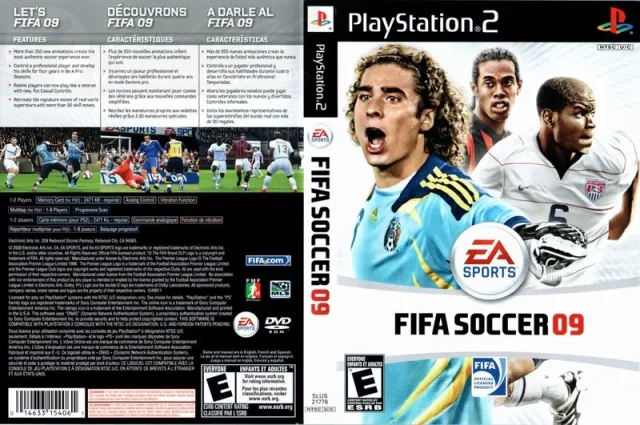 2.7GB
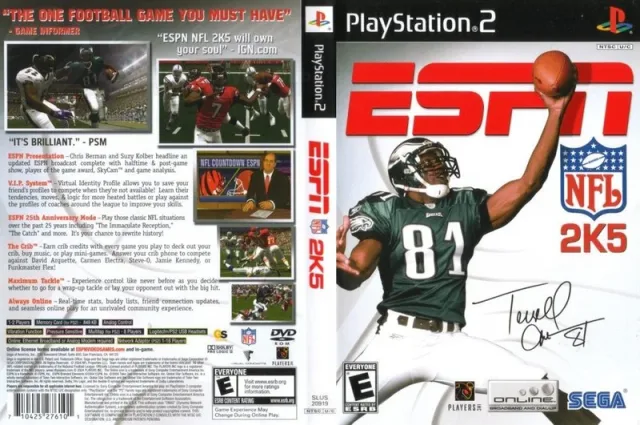 3.4GB
 3.4GB
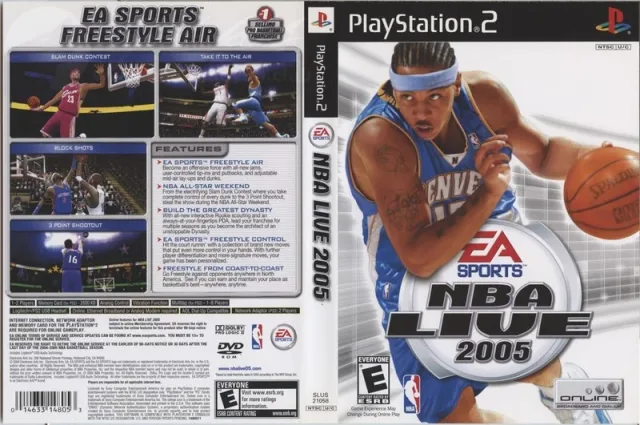 2.0GB
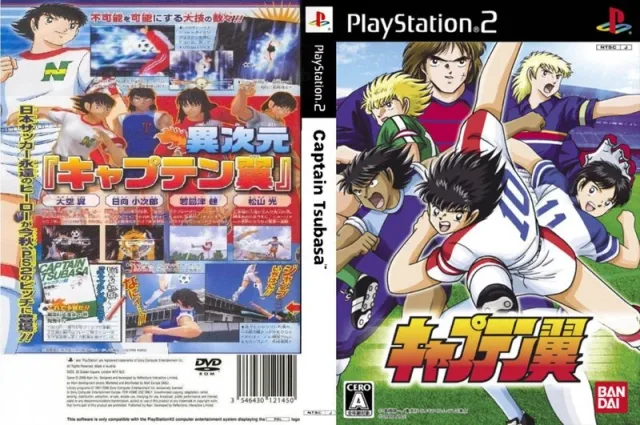 0.4GB
loading comments…