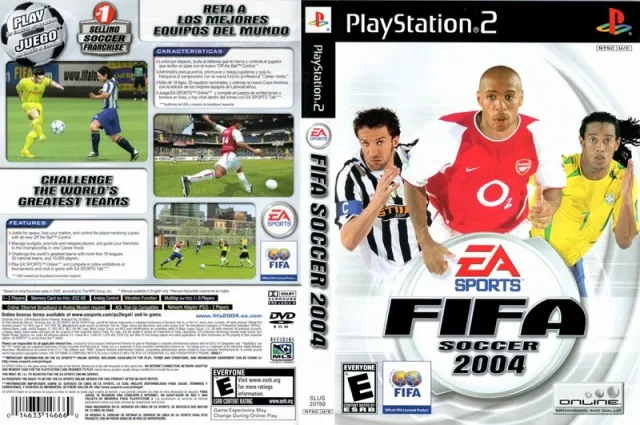
 2.1GB
2.1GB FIFA Soccer 2004
Sports 2003

The board never touches the ground, and that single decision reorganises everything else. Criterion built AirBlade in 2001, at the height of the Tony Hawk boom, when every publisher wanted a trick-combo game with a licensed soundtrack and a park full of rails. What Namco published instead was a hoverboard game where gravity is negotiable, where the rider floats a few inches above concrete and can carve across water, walls and open air without the friction model that anchors a skateboard title.
The consequence is a game about maintaining momentum rather than landing cleanly. Boost is the resource that matters, fed by tricks and spent on speed, and the loop is a constant negotiation between building charge and burning it to reach the next stretch of geometry. Grinds work without wheels because the board magnetises to edges, which sounds like a cheat and plays like a licence: rails, pipes, ledges and rooftop lips all become one continuous surface if you read the level correctly. Levels are built as routes through a near-future city, more course than playground.
Story duty falls to a thin corporate-conspiracy frame involving a toxin release and a stolen prototype, delivered in cutscenes nobody remembers. It is scaffolding for the mission structure, and it creaks. What holds up better is the presentation: Criterion was running its own RenderWare technology here, and the studio's feel for speed and clean, readable environments — the same instincts that would produce Burnout months later — is visible in how the city reads at pace.
Where it falls short is control precision. The floating handling that makes the concept interesting also makes fine adjustment vague, and objectives that demand you hit a specific point in a specific window expose that vagueness. Tony Hawk's Pro Skater had a decade of skate physics to abstract from; a hoverboard has no reference, so Criterion had to invent the rules and the result feels slightly untethered in a way that is sometimes exhilarating and sometimes just imprecise.
It landed in a crowded season and was quickly buried, which is a fair commercial verdict and an unfair critical one. Two decades on it plays as a genuine experiment: an extreme sports game that asked what tricks would look like if the surface stopped mattering, then had the discipline to build levels around the answer. Nobody picked the idea up afterwards, and the city still sits there waiting for someone to carve through it.
2.1GB 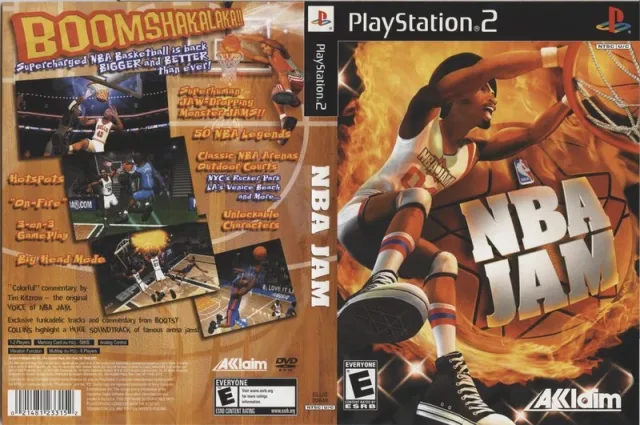 0.6GB
0.6GB 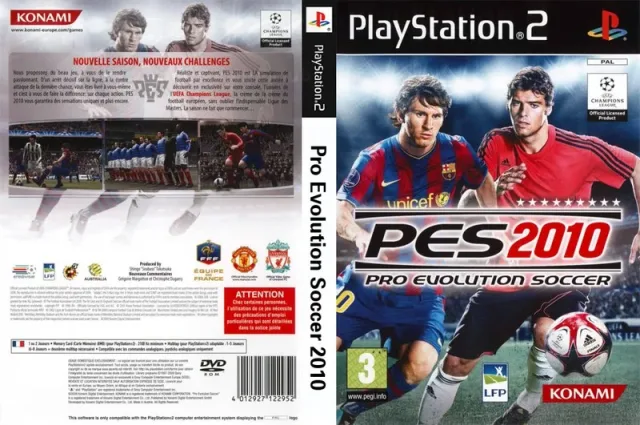 2.9GB
2.9GB 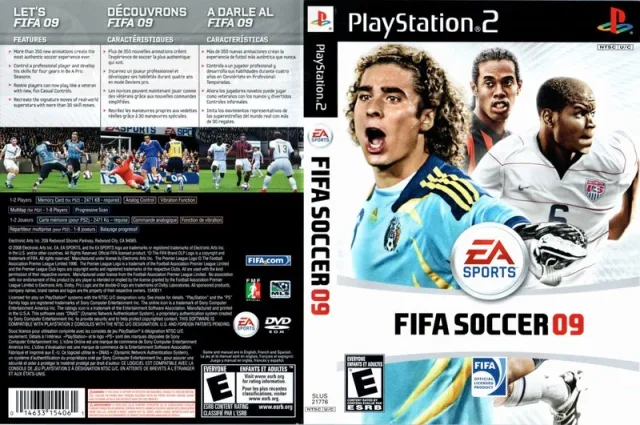 2.7GB
2.7GB  1.8GB
1.8GB  3.4GB
3.4GB 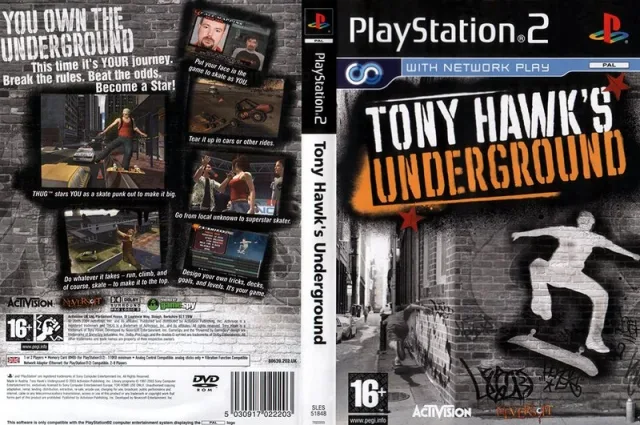 3.4GB
3.4GB  2.0GB
2.0GB loading comments…