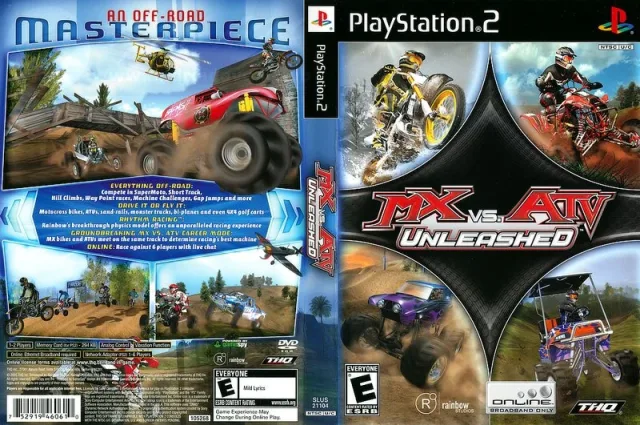
 1.1GB
MX vs. ATV Unleashed
Racing 2005
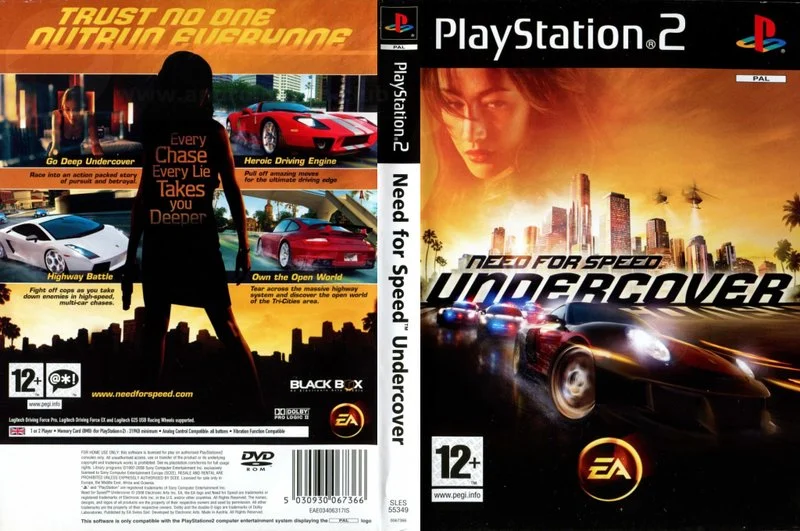
Maggie Q, filmed in front of a green screen, explaining that you are a cop pretending to be a street racer. That framing device is the thing most people remember about the 2008 Need for Speed, and it tells you exactly what EA thought the series needed after the coolly received ProStreet: the return of police chases, the return of a story, the return of the Most Wanted mood. The live-action cutscenes are stiff, the dialogue is functional, and the whole plot resolves in a way nobody was writing essays about. But it committed to a tone, which is more than the previous year managed.
The PS2 build is not the game that shipped on Xbox 360 and PS3. Where the current-gen versions strained an ambitious open world across the Tri-City Bay area and stuttered badly for it, the last-gen version was rebuilt on older, cheaper foundations. The result is a smaller, tighter, noticeably less demanding racer that holds a steady frame rate and looks closer to Carbon than to anything from 2008. Lose the draw distance, keep the speed. Given how poorly the flagship version performed at launch, that trade was not the insult it sounded like.
What you do is familiar: circuit and sprint events, highway battles where you have to open a gap on a rival in traffic, outrun jobs against escalating police pursuit levels, and a car list running from tuner staples to exotics. The marketing pushed something called the Heroic Driving Engine, which in practice meant the handling was slacker and more forgiving than ProStreet's, with cars that pivot on command and shrug off wall contact. It is arcade driving without apology, and it works better with a rival bumper in your peripheral vision than it does on an empty circuit.
The weakest part is the structure. Jobs are handed out from a map screen, the free-roam space between them is thin, and there is little reason to drive anywhere you are not being told to go. Progression comes fast, money comes faster, and the difficulty rarely forces you to rethink a build.
As a chapter in the series it is the sound of a studio reaching backwards for what worked in 2005 and grabbing most of it. As a PS2 disc it is something slightly different and more useful: a late-life port that understood its hardware, kept the chases, and let the rest go.
1.1GB 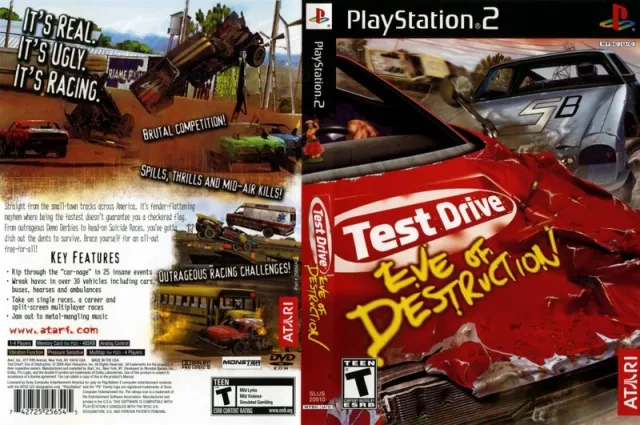 1.4GB
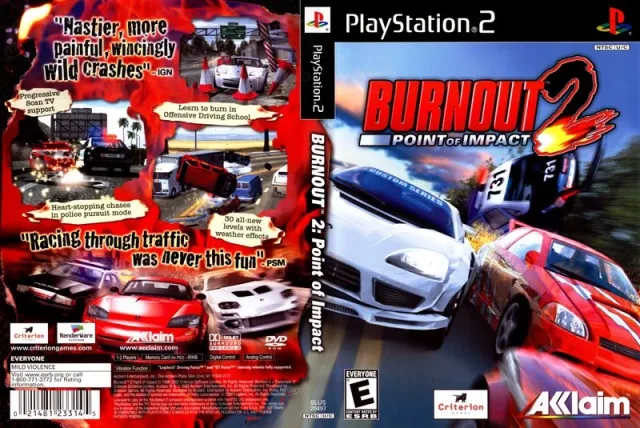 1.8GB
 0.1GB
 2.0GB
 0.1GB
 0.3GB
 1.0GB
loading comments…