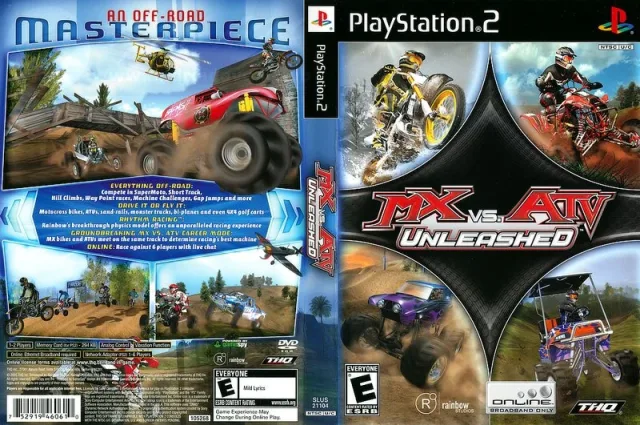
 1.1GB
MX vs. ATV Unleashed
Racing 2005
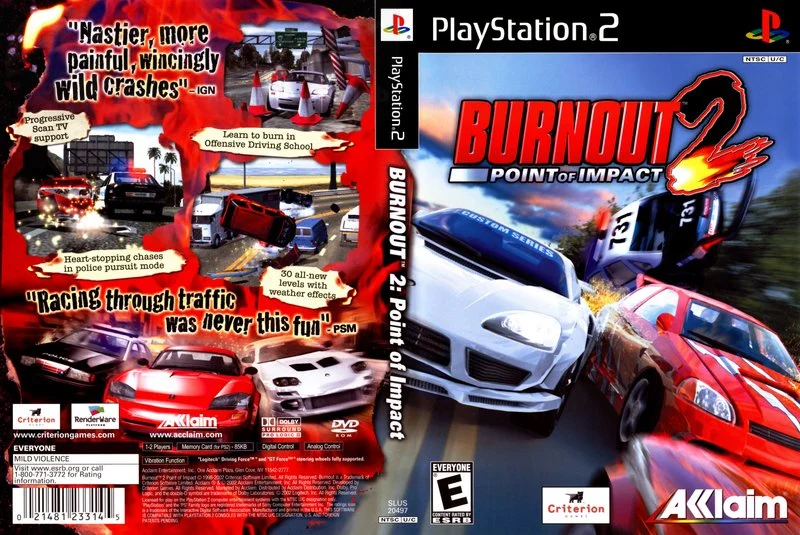
The best idea in Burnout 2 is that it pays you for the thing every other racing game punishes. Drive into oncoming traffic, hold a drift, skim a bus by an inch, and the boost meter fills. Play it safe and you crawl. The whole design rests on that inversion, and it makes a lap feel like a bet you keep raising.
Criterion built the sequel around a simple boost rule: fill the gauge through risky driving, and you can only spend it once it is full, which means every burst is earned. The courses are busy with cross traffic, and the sense of speed is exaggerated in a way that suits the game. Cars blur past your shoulders. Lanes close in. You steer less by planning than by reflex, and when a gap opens you throw yourself through it.
Then there are the crashes. When a run goes wrong, the game cuts to a slow-motion view of the wreck, with metal folding and other cars joining in. It sounds like a gimmick, and in the first game it half was. Here it becomes part of the rhythm, a brief punishment that is also a reward for watching. The Crash mode takes the idea to its logical end, turning a junction into a puzzle of how much damage one car can cause. It is the sort of side mode that eats an evening.
It does show its age. Rubber-band difficulty in the races can feel unfair, since opponents seem to stick to your bumper no matter how well you drive, and the car roster is small by modern standards. The visuals are clean for the period but plain. Still, the handling remains tight and forgiving, and the pace of a race holds up better than most of what surrounded it on the PS2.
What lingers is how little the game wastes. Nothing here asks for patience or tuning, only nerve. A generation of arcade racers tried to look like simulations, and this one admitted that the fun was in almost dying.
1.1GB  1.4GB
 0.1GB
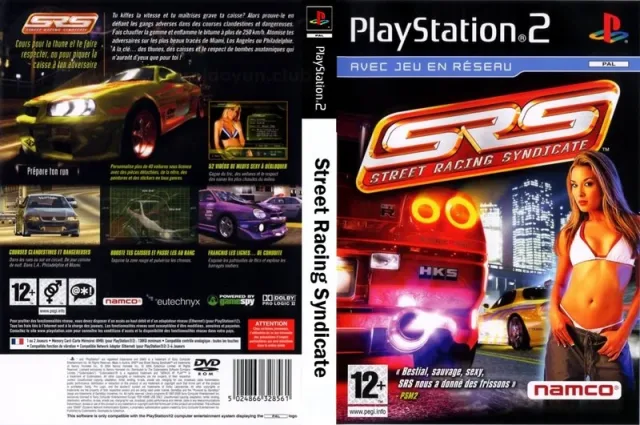 2.0GB
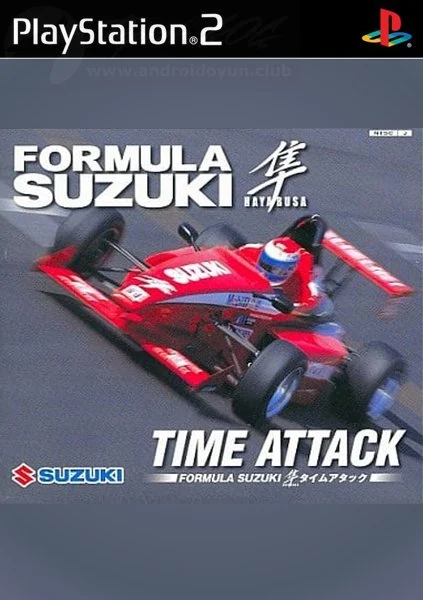 0.1GB
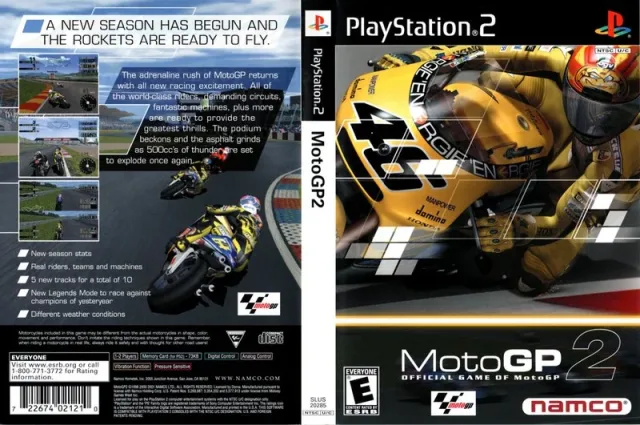 0.3GB
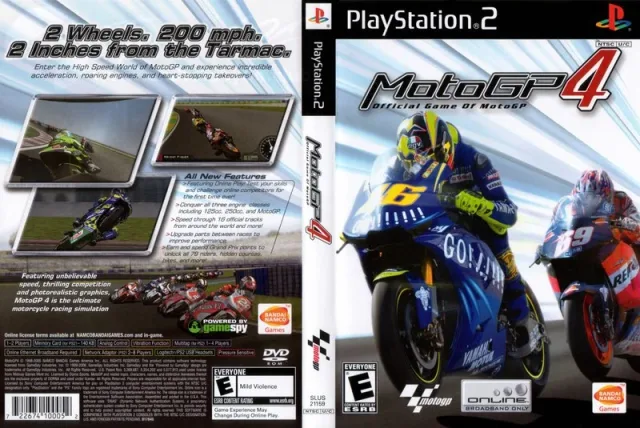 1.0GB
 0.4GB
loading comments…