 1.1GB
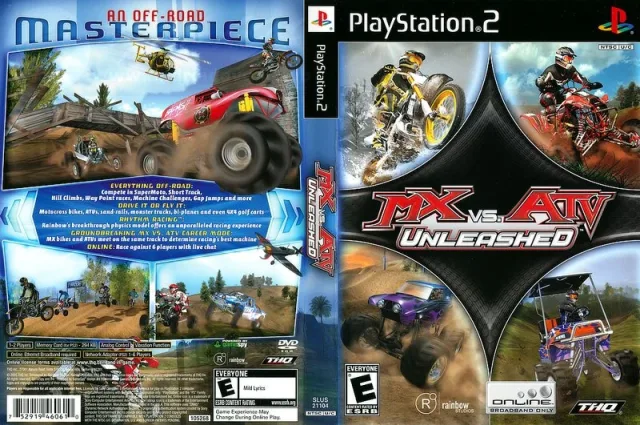
MX vs. ATV Unleashed
Racing 2005
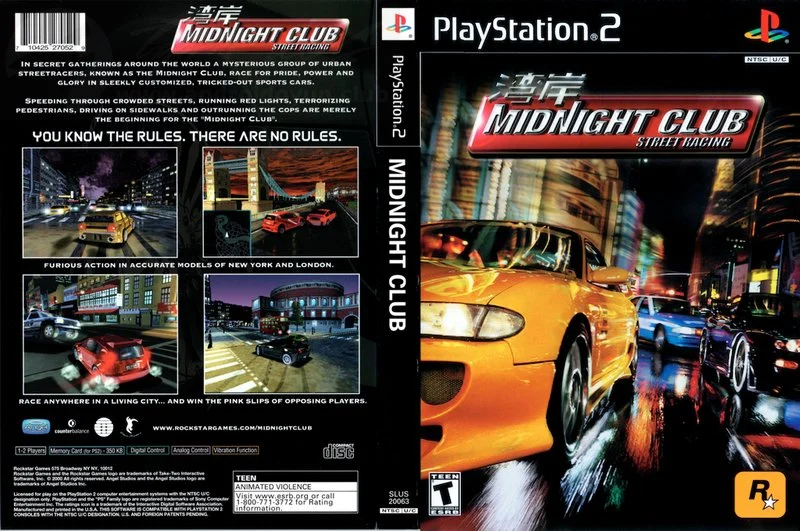
Most racing games of 2000 told you where the road was. This one gave you a list of checkpoints scattered across Manhattan and left the route entirely to you. Alleys, sidewalks, the wrong side of Fifth Avenue, a tunnel you remembered from a loss three races ago; the city was the problem and the solution at once. Angel Studios had already built open driving cities with Midtown Madness on PC, and bringing that structure to Rockstar's new console line gave the PS2 a launch title that felt genuinely unlike the arcade racers sharing shelf space with it.
The framing was a cab driver pulled into an underground racing circle, and the recruitment mechanic was pure street theatre: pull alongside a rival, flash your headlights, and the race started on the spot with no menu and no loading. Beat them and you drove away in their car. That loop gave the city a reason to be navigated rather than merely rendered, and it kept you circling blocks looking for a particular silhouette long after you had memorised the shortcuts.
Handling was heavy and loose in a way that modern players will find rough. Cars understeer into crowds of traffic, the physics punish precision more than it rewards it, and the draw distance pops in badly enough that memorising the layout is less a luxury than a requirement. London arrives later and is tighter, meaner, and more punishing than New York. Progression is steep, and a few of the late challenges ask for lap-perfect routing without ever telling you so.
What holds up is the idea. Checkpoint navigation as the core skill rather than cornering produced a racing game where two players could take entirely different paths to the same finish line and both be right, and it is still the thing that distinguishes the series from everything Need for Speed was doing. Split-screen is there and plays fast, though the frame rate pays for it.
Later entries sharpened all of this. Midnight Club II looked better and drove better, and Dub Edition had the licensing muscle. But the first one has a particular quality the sequels traded away: a drab, half-empty, rain-slicked New York at three in the morning, where the streets feel abandoned rather than staged. It is a launch game with all the compromises that implies, and it still knows something about cities that prettier racers forgot.
1.1GB  1.4GB
 1.8GB
 0.1GB
 2.0GB
 0.1GB
 0.3GB
 1.0GB
loading comments…