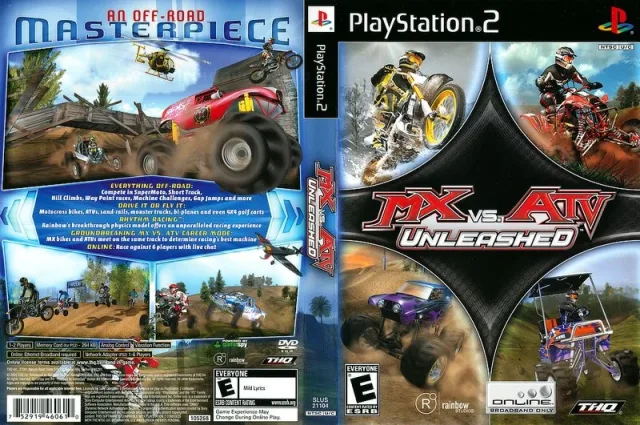
 1.1GB
1.1GB MX vs. ATV Unleashed
Racing 2005

The arrow on screen points at the next checkpoint. It does not point at a road. Everything between you and that marker is your problem to solve, which is why Rockstar San Diego's street racer felt so different from the rail-guided arcade racing around it in 2003. Learn that an alley off the Paris boulevard cuts forty seconds, or watch the pack vanish while you take the sensible route.
The cities are the real content. Los Angeles, Paris and Tokyo are compact but layered, full of raised walkways, canal banks, tunnels and construction ramps that reward memorisation over reflex. Races are run at absurd speed in dense traffic with no rewind and no forgiveness, and the AI rubber-bands hard enough that a clean lap still leaves someone in your mirrors. This was, and remains, a genuinely punishing game. Several career races in the back half of Tokyo have a reputation among people who finished them, and it is not an affectionate one.
Cars carry special abilities rather than pickups, which is the one concession to fantasy. Zone slows time so you can thread a gap that logic says is closed; Agro turns your bumper into a battering ram; Roar scatters civilian traffic out of the racing line. They are cheap in the best sense, escape valves for a game that otherwise demands perfection, and knowing when to spend one is a skill in itself. Motorcycles arrive later and rewrite the geometry again, faster and far easier to lose.
It was also one of the PS2's better online experiments, back when that meant a network adapter and a hopeful stare at your router. Split-screen held up the local end. Both benefited from the same thing the career mode did: no two players ever took the same line, so every race produced arguments about which way was actually quicker.
What has aged is the visual noise — heavy bloom, motion blur laid on until the horizon smears — though it does a lot of work disguising draw distance and selling the sensation of speed. Two decades on, the design idea still holds. Hand a driver a destination instead of a track, and the city becomes the puzzle.
1.1GB 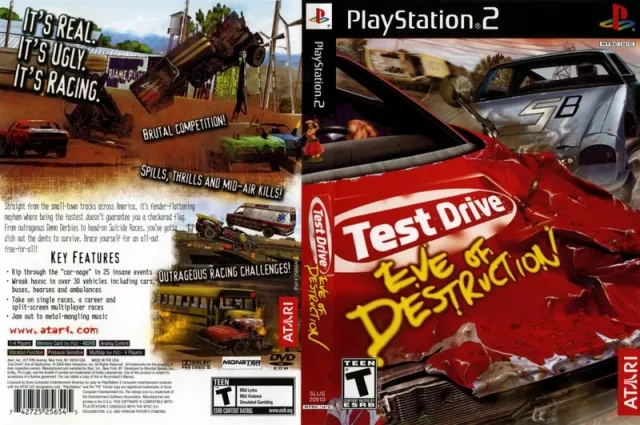 1.4GB
1.4GB 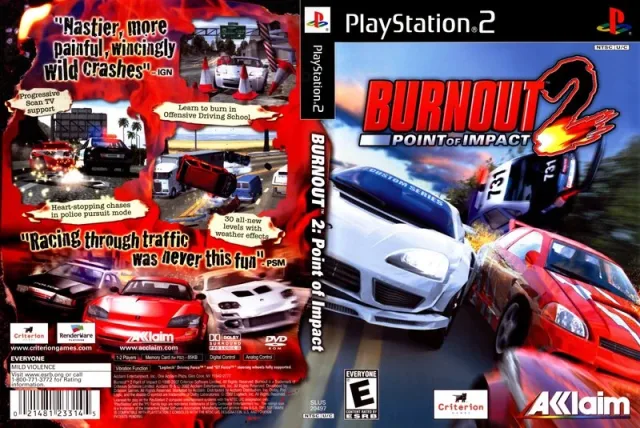 1.8GB
1.8GB 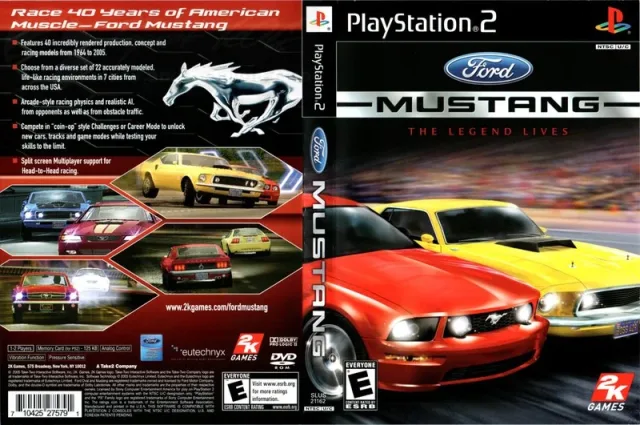 0.1GB
0.1GB 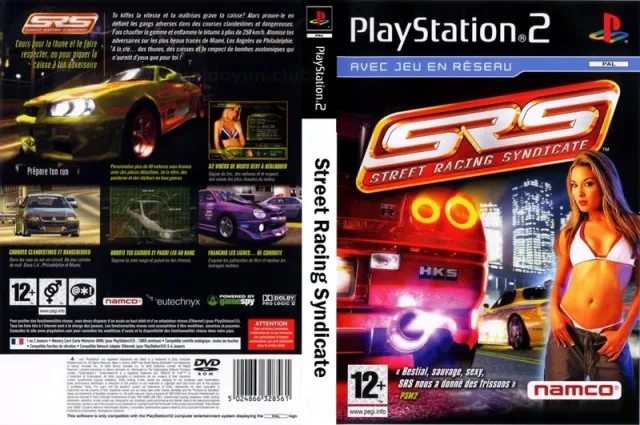 2.0GB
2.0GB  0.1GB
0.1GB  0.3GB
0.3GB  1.0GB
1.0GB loading comments…