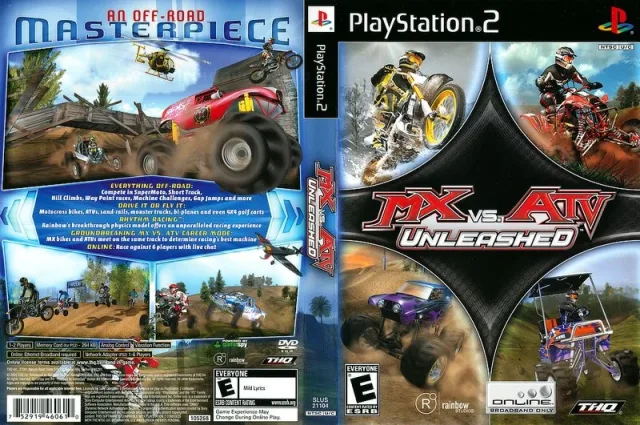
 1.1GB
1.1GB MX vs. ATV Unleashed
Racing 2005

Steering with the left stick while sweeping a pistol across the windscreen with the right is the whole argument here. Most vehicular combat games of the era locked weapons to the nose of the car and let you point the chassis at the problem. Ubisoft Paris instead separated aim from heading, which means the driver has to think about two vectors simultaneously: the line through the corner and the line to the other guy's tyres. It sounds like an obvious idea. In practice it is why the game feels different from its stablemates, and also why so many players bounced off it in the first hour.
The setting is a stylised South Central Los Angeles built out of 2005's idea of street-level crime cinema, all chrome, low-slung imports and a soundtrack leaning hard on hip-hop of the period. The story runs on rivalry and revenge, delivered between events in cutscenes that take themselves seriously enough to be worth watching once. Ubisoft licensed the aesthetic with some care, and the car customisation and body kits carry more visual personality than the driving model strictly deserves.
What the game is really doing is running duels. Races are less about lap time than about surviving contact with a single determined opponent, wearing down their vehicle, forcing a spin at the wrong moment, using a shotgun through the side window at close range. Ammunition is finite and pickups matter, so there is a small economy of restraint underneath the noise. When it works, a pursuit down a narrow strip of boulevard has genuine tension. When it does not, the handling turns skittish and collisions resolve in ways that feel arbitrary rather than earned.
That inconsistency is the honest verdict. The physics were never quite tight enough to make the shooting feel like skill rather than luck, and the difficulty spikes in the later chapters lean on rubber-banding that undercuts everything clever about the dual-stick design. Split-screen against a friend is where it holds up best, because a human opponent makes the same mistakes you do and the flaws stop mattering.
It arrived in a crowded year and was treated as a curiosity, filed next to the other street-racing tie-ins the sixth generation produced by the crate. Two decades later the idea at its centre still looks smarter than the game built around it, which is the particular frustration of a title that had one good thought and not quite the engineering to finish it.
1.1GB 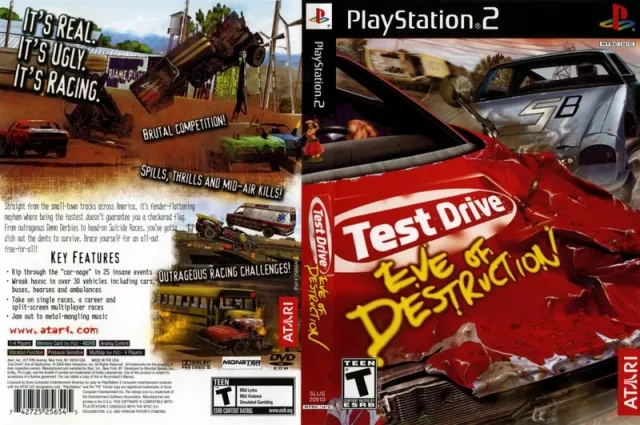 1.4GB
1.4GB 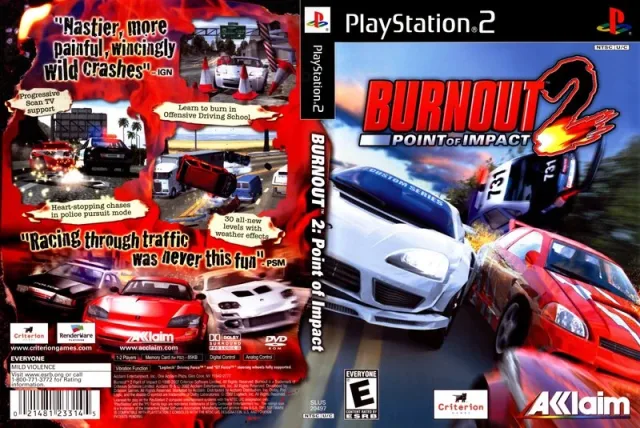 1.8GB
1.8GB 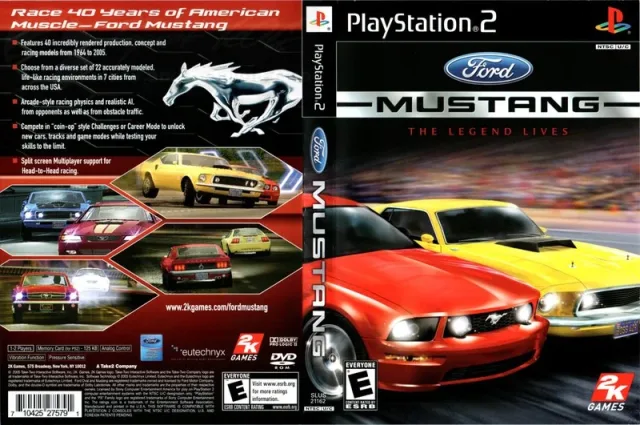 0.1GB
0.1GB 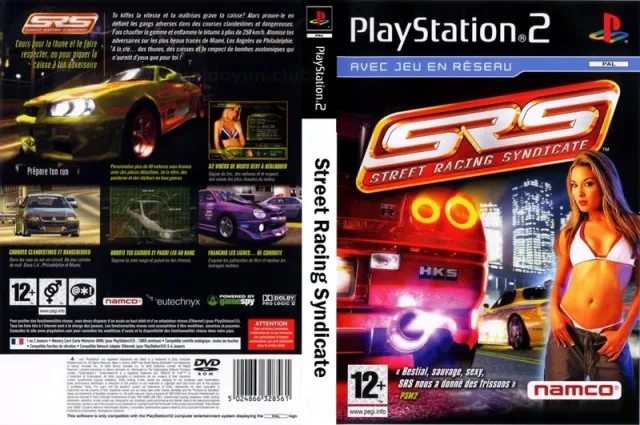 2.0GB
2.0GB  0.1GB
0.1GB  0.3GB
0.3GB  1.0GB
1.0GB loading comments…