 2.5GB
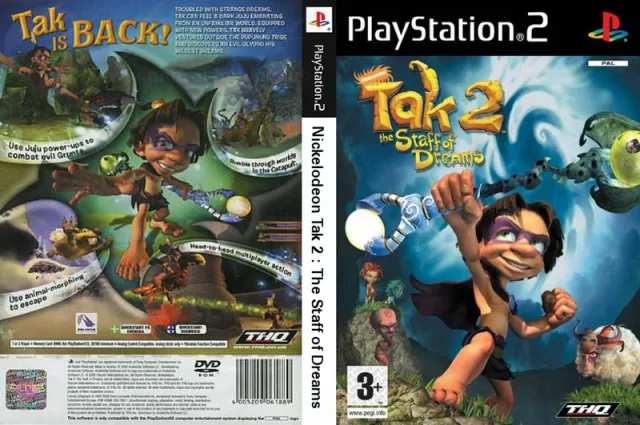
2.5GB Nickelodeon Tak 2 - The Staff of Dreams
Platformer 2004

Miss a jump, hit the flagstones, and the screen doesn't cut to a loading bar. It bleeds sepia, runs backwards, and the Prince's voice interrupts his own story: no, that isn't how it happened. Ubisoft Montreal built its 2003 revival around that single conceit, and it remains one of the cleverest marriages of mechanic and framing device the sixth generation produced. The whole game is a story being told after the fact, which means every rewind is not a mulligan but a narrator catching his mistake.
What that permission does to the platforming is the real achievement. Because a botched leap costs you a sliver of sand rather than five minutes, the level designers could push the wall-runs, the pole swings and the beam walks far past what a punitive checkpoint system would allow. The Prince moves with an unusual sense of weight and follow-through for the period — he plants a foot on a wall and carries momentum out of it — and the palace interiors are laid out as legible three-dimensional puzzles rather than corridors with obstacles dropped in. You read a room, then execute. Getting the reading right is most of the pleasure.
Combat is the part that has thinned with age. The Prince vaults off enemies, rolls behind them and finishes them with the Dagger, and it looks tremendous for about the first hour. Then the sand creatures keep arriving in identical waves, and the acrobatics compress into a small set of reliable answers repeated until the room empties. Compared with the precision of the traversal, the fights feel like a tax on it.
The writing carries more than it needed to. Farah is a genuine companion rather than an escort-mission liability, the banter between the two is dry and often funny, and the ending earns its melancholy in a way that licensed-era action games rarely attempted. The Persian setting is treated as architecture and light rather than costume: sun through lattice, dust in shafts, water in cisterns. It is a handsome game that still reads clearly, partly because it never chased photorealism.
Sands of Time also proved something the industry took a while to absorb — that lowering the cost of failure can make a game harder, not easier, because the designer stops flinching. Two decades on, that lesson has outlived the sand monsters.
2.5GB  2.9GB
2.9GB  0.7GB
0.7GB  1.9GB
1.9GB 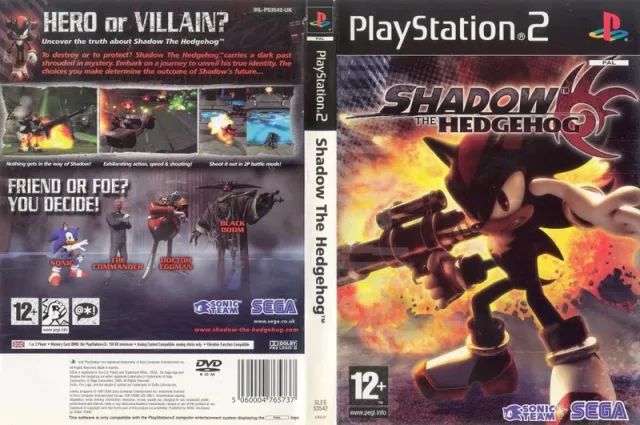 1.7GB
1.7GB 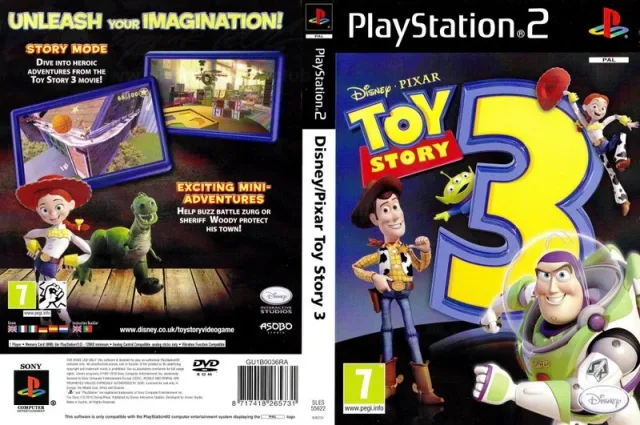 0.2GB
0.2GB 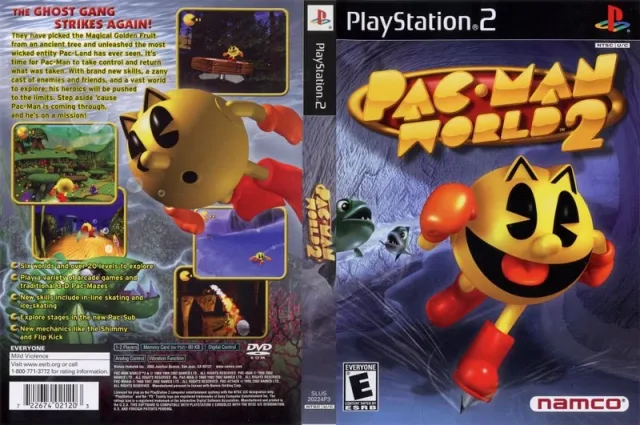 0.8GB
0.8GB 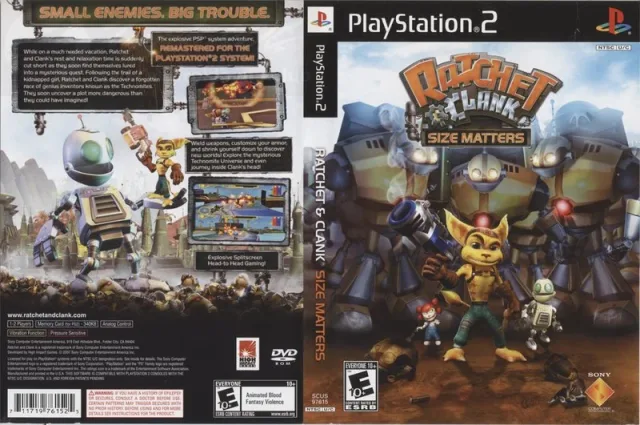 1.3GB
1.3GB loading comments…