 2.5GB
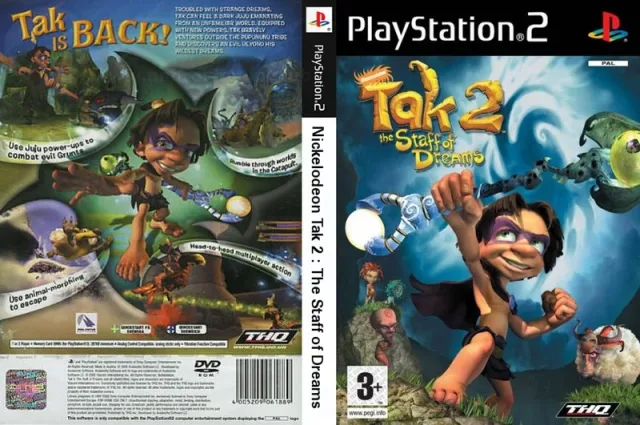
Nickelodeon Tak 2 - The Staff of Dreams
Platformer 2004
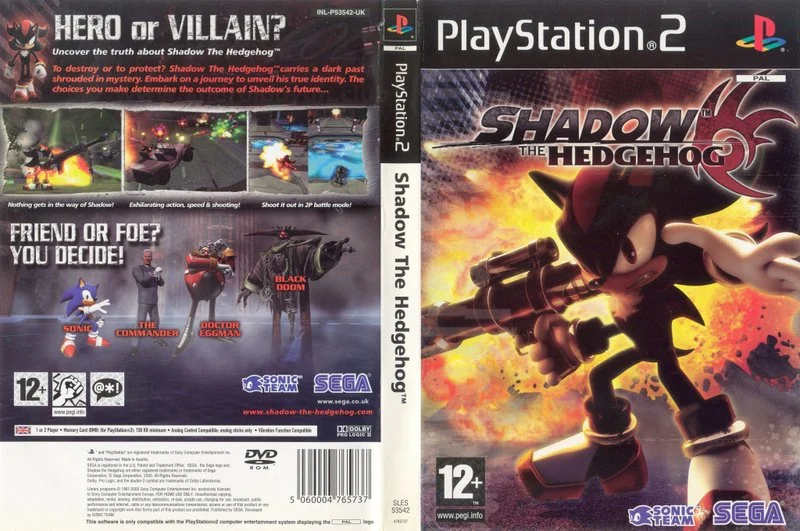
The branching structure is the part worth sitting with. Every stage offers a hero objective, a dark objective and a neutral one, and whichever you complete decides which of several next stages you travel to. Ten endings sit at the far end of that tree, and only after you have seen them all does the real final chapter open. On paper it is an ambitious idea for a 2005 mascot platformer, closer to an old branching arcade campaign than anything Sonic Team had attempted. In practice it means replaying the same handful of environments over and over, because the paths overlap heavily and the levels were not built to be seen from two moral directions.
Shadow controls like a Sonic Adventure character with extra verbs. He runs fast, homing-attacks, grinds rails, and he also picks up weapons dropped by the aliens and GUN soldiers fighting around him. Pistols, rifles, energy blasters, the occasional vehicle. Aiming is loose and auto-assisted, which is the only workable solution at the speed the game insists on, but it leaves the shooting feeling like a button you hold rather than a skill you develop. Momentum and gunplay pull against each other constantly.
What survives best is the level geometry in the faster stages, where the dark objective is simply to reach the goal and you can treat the whole thing as a Sonic level with a rifle. What survives worst is any mission that asks you to locate five scattered objects in a large, visually noisy map with no useful guidance. Those stages are long, and they are where the branching structure turns from a curiosity into a chore.
The tone drew most of the attention at the time, and it has aged into something closer to affection than embarrassment. Guns, a vehicle sequence, a plot about Black Doom and Shadow's manufactured memories, and dialogue pitched at a teenager's idea of severity. It is not a cynical product; it is a sincere attempt to make a character defined by amnesia and grievance carry his own game, built by a team that clearly did not know which audience it was aiming at.
Taken honestly, this is a middling platformer with a fascinating skeleton. The branching campaign deserved a better game wrapped around it, and the reason people still talk about Shadow the Hedgehog two decades later is that nobody at Sega ever tried anything this odd with the series again.
2.5GB  2.9GB
 0.7GB
 1.9GB
 0.2GB
 0.8GB
 1.3GB
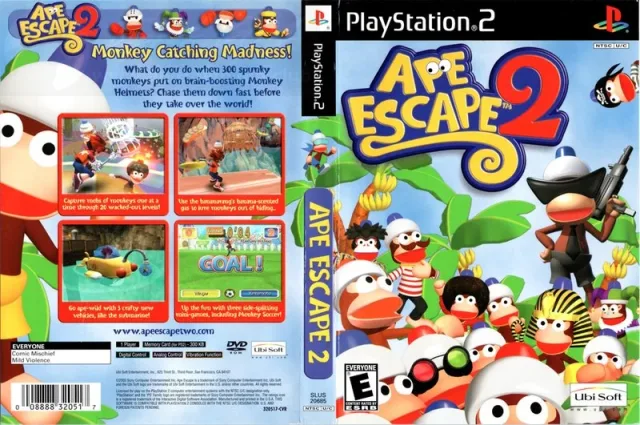 1.5GB
loading comments…