 2.9GB
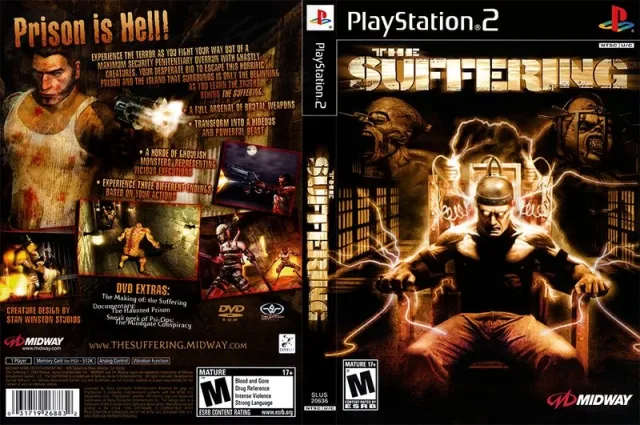
2.9GB The Suffering
Horror 2004

Shine a flashlight at the wrong thing and it screams. That reaction, carried over from the first game, is still the smartest idea Hydravision had: the creatures crawling around Fallcreek University are wrapped in a protective darkness, and stripping it off with a torch beam, a car headlight or a scavenged lamp is what makes them killable. Bullets alone barely register. It turns light from an atmosphere setting into ammunition, and it means the flashlight-holder in a two-player session is doing at least as much work as the one with the shotgun.
That co-op is the other thing worth noting, because it is drop-in and drop-out on a single screen at any point in the campaign. Consoles in 2007 were already pushing horror toward the online lobby; this one just asks a second person on the couch to pick up a pad. The cast splits between characters with concrete uses — one picks locks, one climbs, one has the medical knowledge to make better use of the plants you find — and the pair you take into a chapter changes which shortcuts and side rooms open. Characters can also die permanently, and the game shrugs and keeps going with whoever is left, which gives the survival framing more teeth than the checkpoint-and-retry norm.
The plot is a straight-faced teen horror premise about a flower, a fraternity drug and a mutation that spreads across a campus, and it commits to it with the earnestness of a direct-to-video slasher. Fixed camera angles and pre-set framings do a lot of the intimidation work, sometimes at the cost of knowing where an enemy actually is. Olivier Deriviere's choral score, sung against the action rather than under it, remains the most distinctive thing about the presentation and the reason the series is remembered fondly by the people who played it at all.
What has aged worst is the handling. Aiming is stiff, melee is a matter of swinging and hoping, and the inventory shuffling between two characters slows down encounters that were meant to feel frantic. The PS2 version also shows its late-generation strain, with dense environments running at a frame rate that dips exactly when the screen fills.
It is a B-picture with a genuinely good idea at its centre, made by a small studio that could not quite build a game equal to it. Play it with someone else in the room, in the dark, and the seams matter a good deal less than the moment your partner swings the beam away mid-fight.
2.9GB 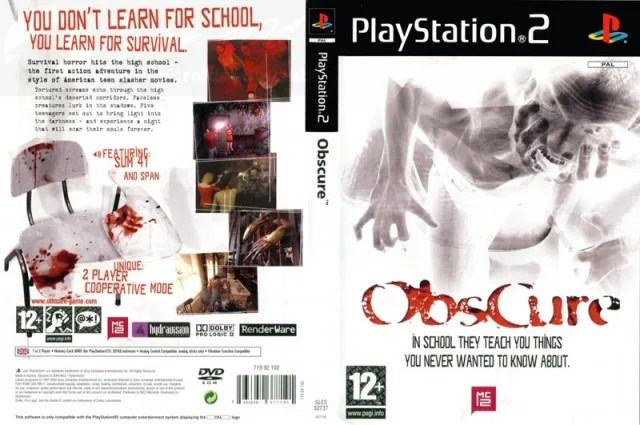 2.2GB
2.2GB 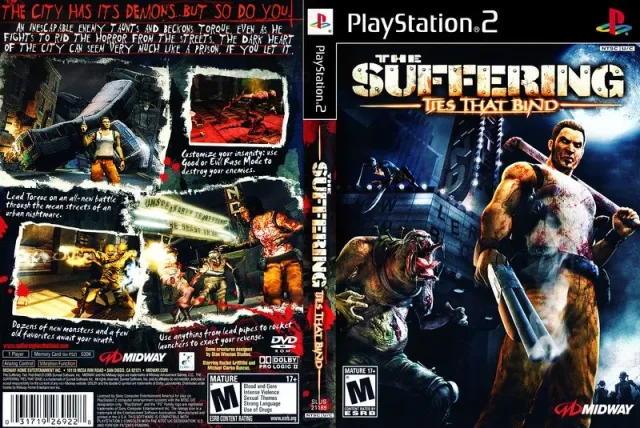 2.1GB
2.1GB 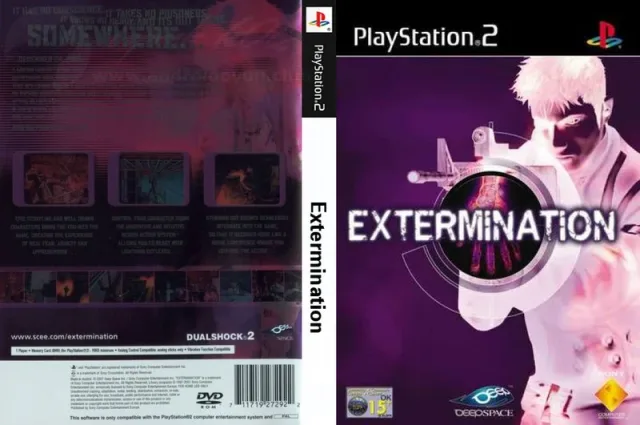 0.6GB
0.6GB  1.7GB
1.7GB  1.0GB
1.0GB  2.2GB
2.2GB  2.9GB
2.9GB loading comments…