 2.3GB
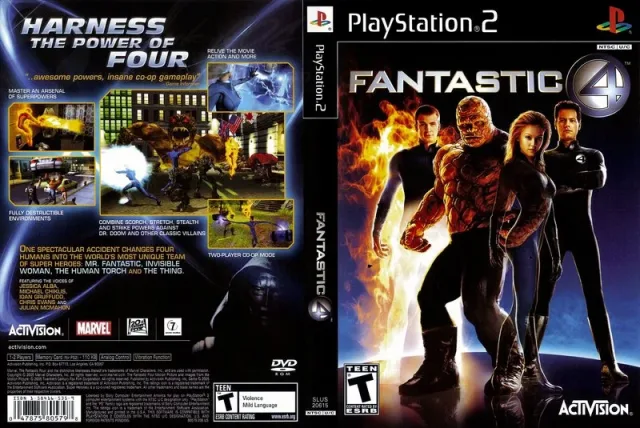
2.3GB Fantastic 4
Beat 'em Up 2005

Every fight ends with a tally. Beat a corridor's worth of Mikado security and the game hands you Bouncer Points, and you decide there and then whether they go into health, a new throw, or raw damage. Because the fights are short and the story runs on rails, those little accounting decisions end up carrying more weight than they should — you finish a stage having permanently shaped a character in a game that lasts an afternoon.
That brevity is the thing everyone remembers. Square and DreamFactory built this as a prestige showcase for the new hardware, with Tetsuya Nomura designs, a full voice cast and cutscenes cut like a Saturday-night anime special, and the actual playable stretch between them barely holds together into a feature. Sion, Volt and Kou each see the same kidnapping and the same corporate conspiracy from a different angle, so the intended shape is three playthroughs rather than one, with branch points where you choose whose viewpoint the next stage follows. It is a smart way to disguise a short campaign and it works better than it sounds, mostly because the three fighters play genuinely differently — Volt is slow and enormous, Kou is quick and awkward, Sion sits between them.
The combat itself is stripped back to three attack buttons and context-sensitive throws, closer to Ehrgeiz and Tobal than to a proper brawler with crowd control. It reads well and the animation still has weight, but the camera struggles in tight rooms and enemies have a habit of drifting offscreen while you commit to a combo. The versus mode, where you can pull in bosses and side characters for local matches, is the part that quietly outlasts the story, if only as a curiosity.
What holds up is the presentation, and the confidence of it. The Fate bar, the train station opening, Noriko Matsueda's score — it commits absolutely to being a Square production in a genre Square had no business being in, and the seams show precisely because the ambition was cinematic rather than mechanical. Play it now and it feels less like a lost classic than like a studio's expensive first sketch of what the sixth generation might allow, drawn before anyone worked out how long a game needed to be.
2.3GB  0.9GB
0.9GB 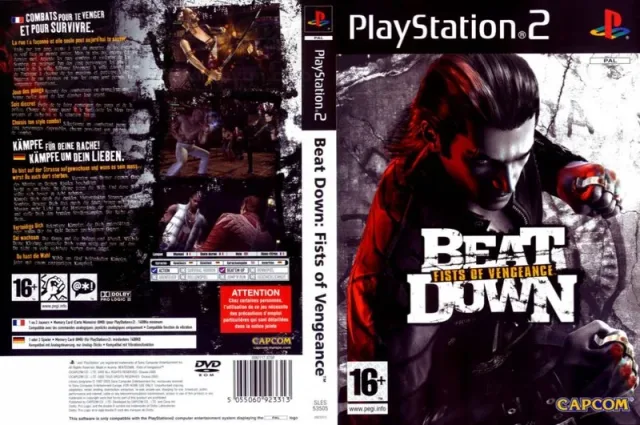 2.0GB
2.0GB  1.0GB
1.0GB  2.1GB
2.1GB  1.6GB
1.6GB  2.0GB
2.0GB  5.6GB
5.6GB loading comments…