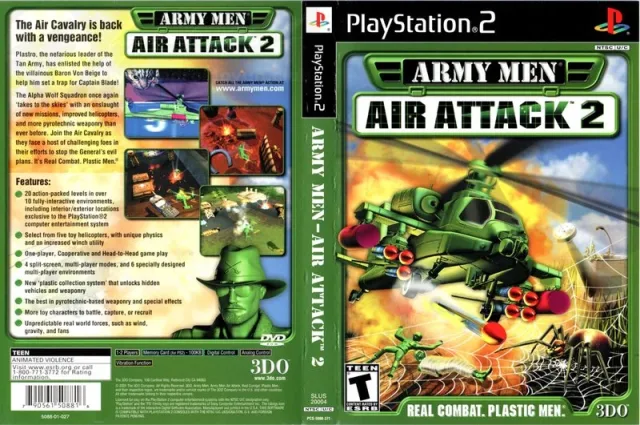
 0.5GB
0.5GB Army Men - Air Attack 2
Action 2000

Hold the lock-on and Jehuty stops obeying the horizon. The frame slides sideways, keeping its target dead centre while you circle, and suddenly a 3D mech fight reads like a fencing match instead of a wrestle with the camera. That single decision is what Konami's 2001 release got right before almost anyone else, and it is why the combat still feels clean a generation of imitators later. Enemy frames orbit you in return, so a bout becomes two objects sizing each other up in mid-air, closing to sword range and breaking off again.
The rest of the system builds outward from that. Light attacks chain, the dash closes distance in a blink, subweapons unlock as you go and can be fired from the same lock, and you can seize a wrecked enemy and hurl it into whatever is behind it. There is a proper distinction between fighting at range and fighting nose to nose, and the game keeps forcing you to switch. Bosses are the point: named frames with their own habits, fought in open sky over a colony that is falling apart under you.
The story is thinner than the machinery. Leo Stenbuck is a frightened kid who climbs into a weapon by accident and spends the game being talked through it by ADA, the frame's AI, and the script leans hard on his panic. Some of that lands, much of it grates. The Martian colony of Antilia is genuinely well realised, a series of ruined blocks and industrial corridors that give the flight combat vertical walls to bounce off, and the civilian rescue objectives tie the fiction to the mission structure more neatly than they had to.
It is short. Not padded-short, but genuinely brief, the sort of length that made it notorious when it arrived bundled with a playable Metal Gear Solid 2 demo that plenty of buyers wanted more than the disc's actual contents. That reputation was unfair then and is irrelevant now, because what remains is a tightly built action game with almost no fat and a difficulty curve that expects you to learn its vocabulary rather than grind through it.
The frame rate wobbles when the screen fills, and the story missions occasionally hand you an escort task that the controls were never designed for. Still, few games of the era understood so precisely what a mech should feel like to steer: weightless, fast, and always one dash from being somewhere else. Its sequel refined all of it, but this is where the language was written.
0.5GB 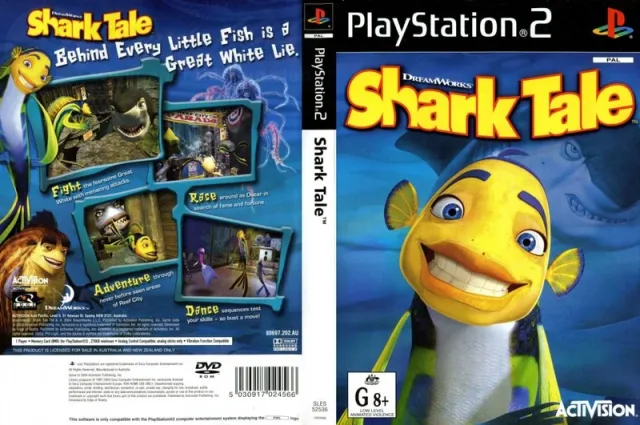 1.1GB
1.1GB 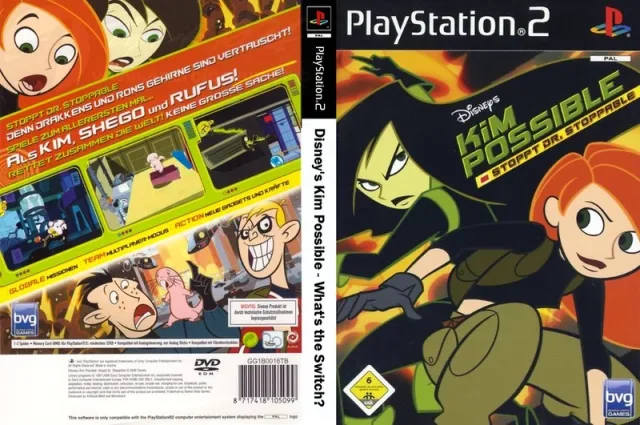 0.4GB
0.4GB 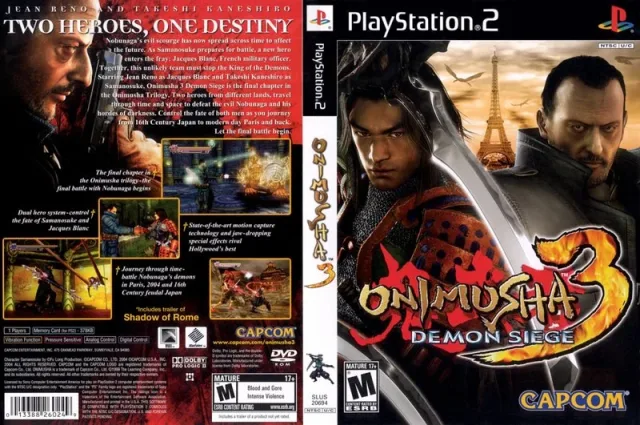 1.8GB
1.8GB  1.5GB
1.5GB  1.0GB
1.0GB  2.6GB
2.6GB  0.7GB
0.7GB loading comments…