 0.5GB
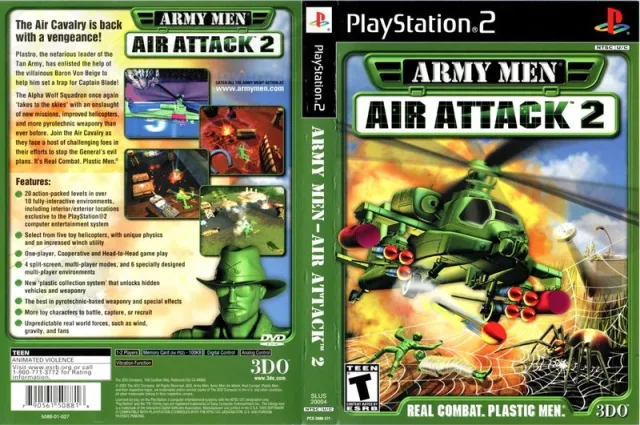
Army Men - Air Attack 2
Action 2000
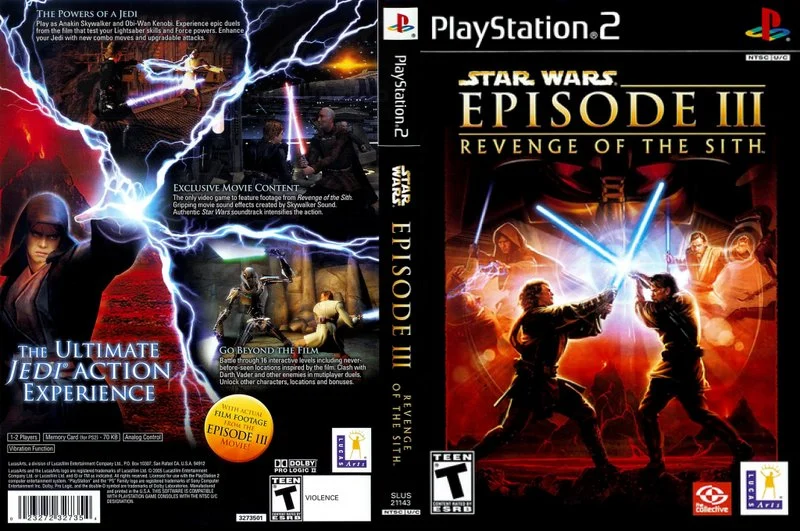
Most film tie-ins of the PS2 years were rushed out to meet a release date, and you can usually feel it. Revenge of the Sith, built by The Collective and published by LucasArts in 2005, is a more interesting case because it is a melee game first and a movie recreation second. It follows the film's structure, from the opening rescue above Coruscant through the duels with Count Dooku and General Grievous, and it builds its fighting around the lightsaber rather than around blasters.
The combat is the reason to look at it. You chain light and heavy strikes, block, and use Force powers such as push and lightning-style attacks as the story unlocks them. Enemies come in crowds, battle droids and clones and later worse, and the game wants you to cut through them in long combos rather than pick them off carefully. It is a close cousin of the God of War school of design, only with a saber in place of chained blades, and the lineage is plain to see.
The game also splits its attention between two characters. Obi-Wan's sections lean toward duelling and a steadier, more defensive style. Anakin's are faster and angrier, and as the plot turns, the game lets him grow more brutal. That is a smart way to translate a tragedy into mechanics. You are not asked to feel sorry for him so much as to notice how easy the violence has become.
It has aged unevenly. Camera angles can lose the fight in tight spaces, the stages are linear corridors with little to discover, and the film footage woven between levels leans hard on the source material to explain what the play alone does not. There is also a cooperative mode and a set of versus duels, which extend the life a little, though the duelling lacks the depth of a dedicated fighting game.
Still, the saber feels weighty, and the game keeps its pace better than many licensed titles that tried to cover the same ground. As a record of what a competent licence game could be at the end of the PS2's run, it holds up better than the film's reputation might suggest.
0.5GB  1.1GB
 0.4GB
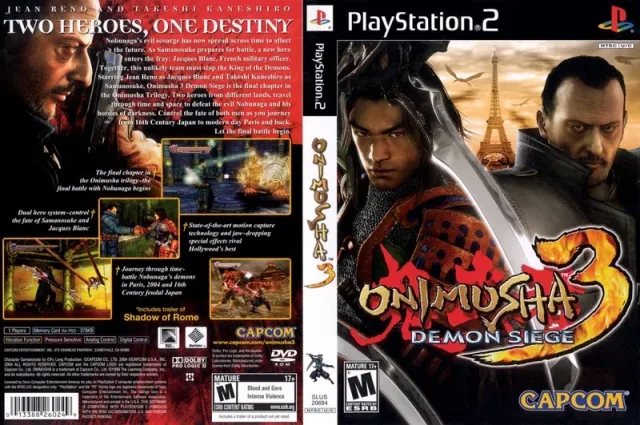 1.8GB
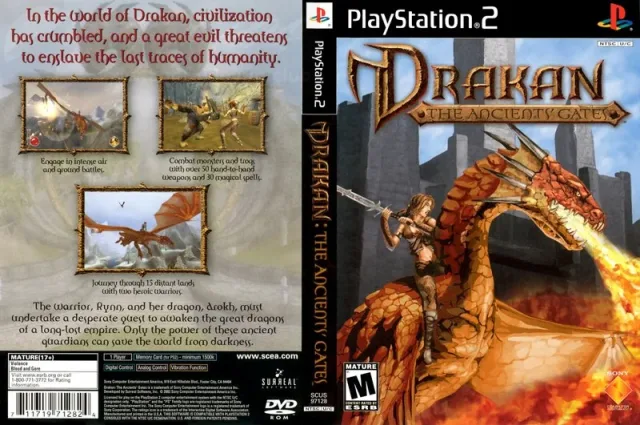 1.5GB
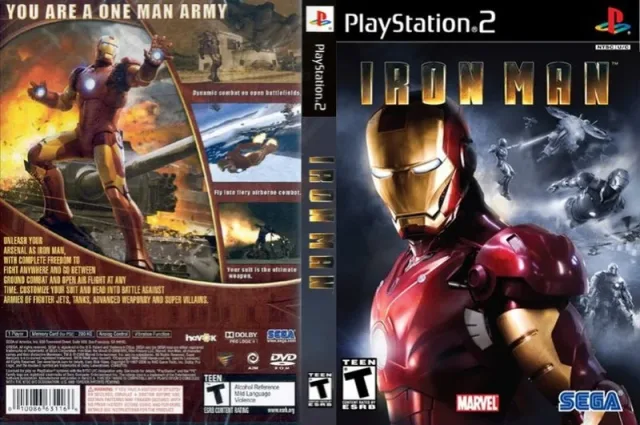 1.0GB
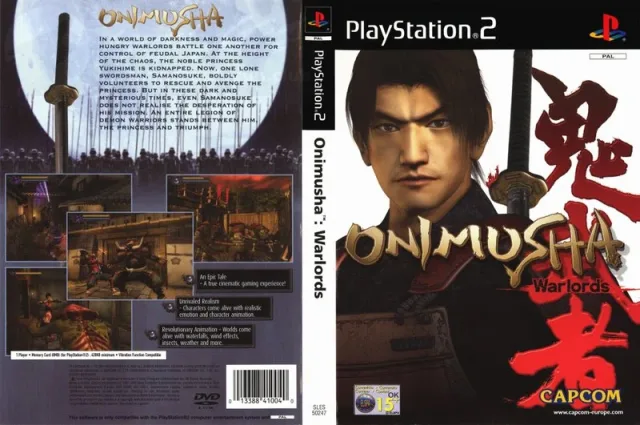 2.6GB
 0.7GB
loading comments…