 0.5GB
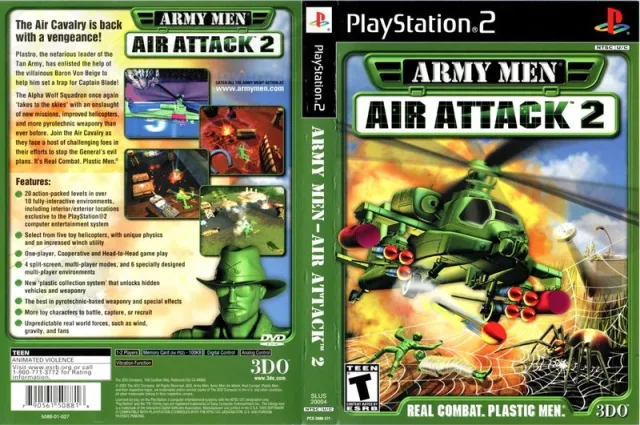
Army Men - Air Attack 2
Action 2000
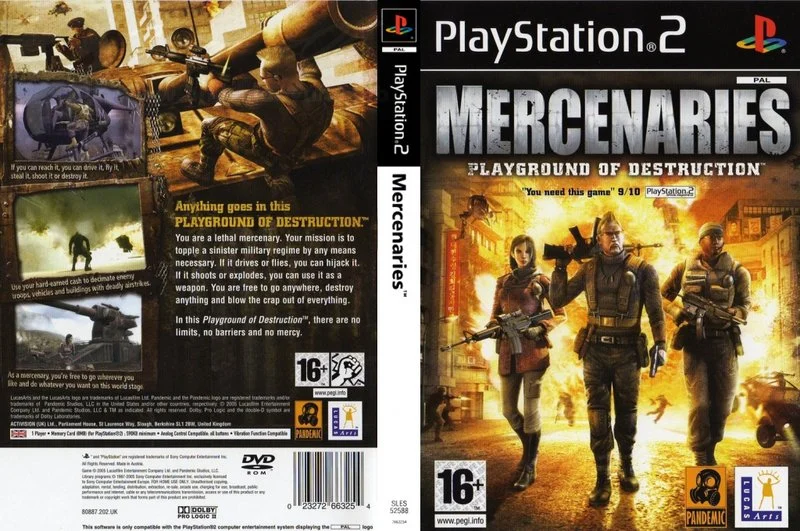
A deck of 52 playing cards, each one a face with a bounty attached. That framing device — lifted straight from the Iraq War news cycle of 2003 — is what gave Pandemic's 2005 sandbox its spine, and it's still the smartest thing about it. Instead of a story map with mission markers, you got a hierarchy of human targets, and the choice of how to collect them. Kill a card and you get paid. Take one alive, hogtied and dragged to an extraction point, and you get paid considerably more. That single multiplier reshapes every firefight in the game.
The setting is a fractured Korean peninsula with four factions squabbling over it: the North Korean army, the Chinese, the South Korean allies, and the Russian mafia. Each will hand out side work and each keeps a running opinion of you. Blow up the wrong convoy and your supply of Chinese airstrikes dries up. It is a crude reputation system by modern standards, with little of the political nuance the premise invites, but it does mean the map has a memory, which was uncommon in 2005.
What carried the game then and carries it now is destruction. Buildings come apart in stages under tank fire, bridges drop, guard towers fold. The physics are not sophisticated, yet the fact that almost nothing on the map is permanent changes how you approach a fortified compound. Why find the door. Grapple onto a helicopter, hijack it midair, and reduce the roof instead. The vehicle roster is generous and every one of it can be commandeered, which is where most of the game's improvised comedy comes from.
It shows its age in the usual sixth-generation ways. Draw distance is short, the frame rate labours when a base is genuinely collapsing, and the three playable mercenaries differ mostly in voice and a cosmetic bonus rather than in capability. The mission structure is repetitive by the third deck suit. But the core promise is honoured with unusual consistency: you are told to find a person, given a large hostile country and an arsenal, and left to work out the rest.
The sequel chased spectacle and lost the cards. This first outing understood that a bounty list with faces on it is a better engine for player invention than any cutscene, and it remains the more coherent game for it.
0.5GB  1.1GB
 0.4GB
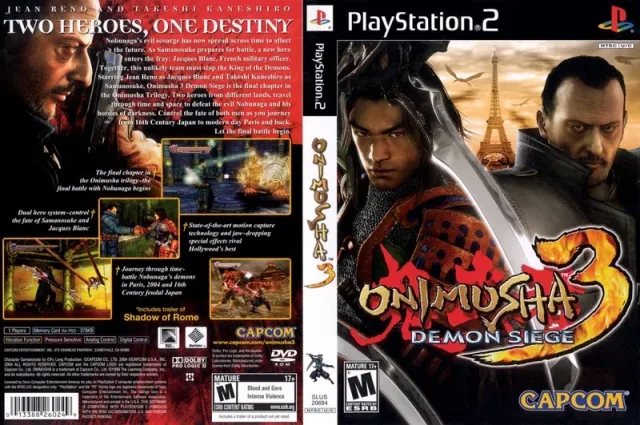 1.8GB
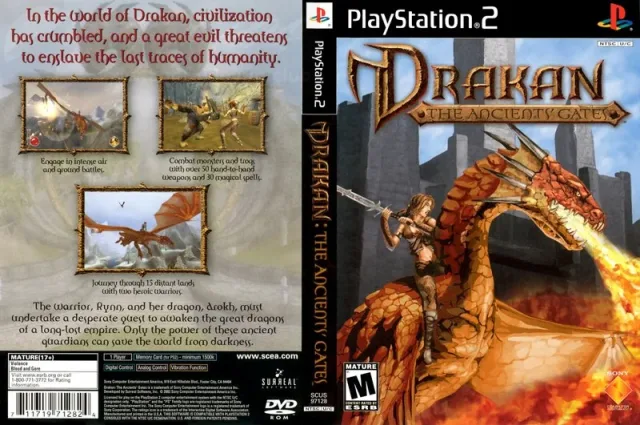 1.5GB
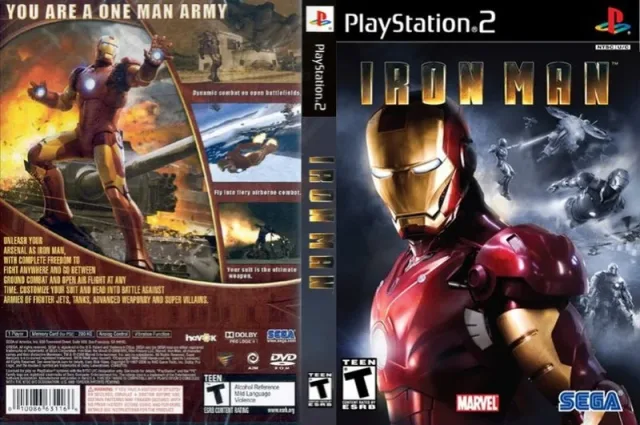 1.0GB
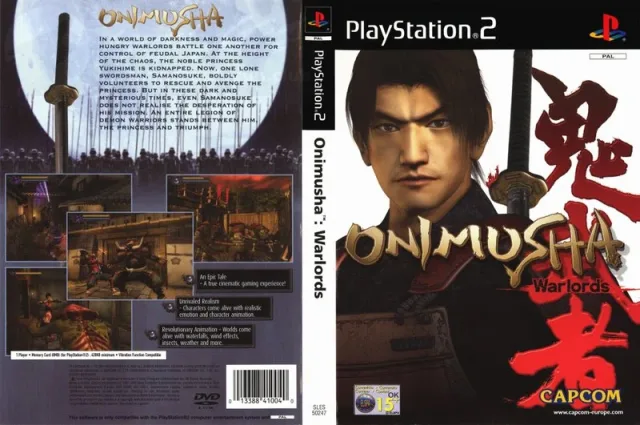 2.6GB
 0.7GB
loading comments…