 0.5GB
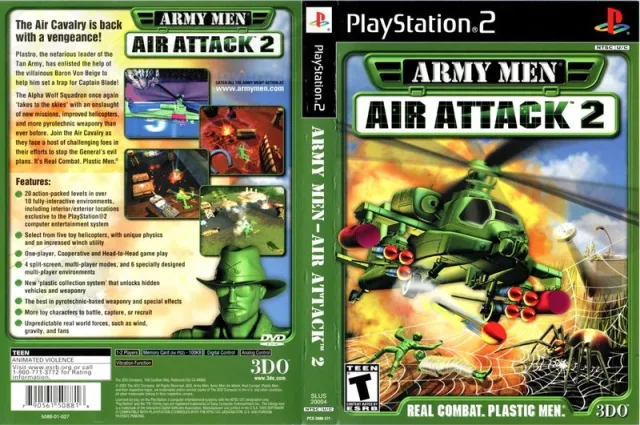
Army Men - Air Attack 2
Action 2000
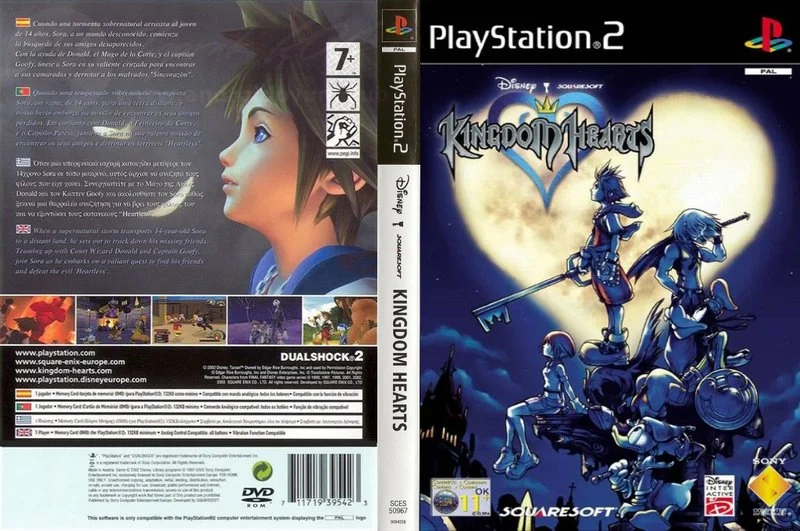
The strangest thing about this game is how little it should have worked on paper. Square's Final Fantasy cast shared screen time with Mickey Mouse, Donald and Goofy, and the pitch sounds like a licensing meeting gone sideways. Yet the tone holds. Sora, a teenager from a quiet island, is earnest enough to carry the melodrama, and the Disney companions give him someone to be funny against.
The combat is what keeps it from being a curiosity. Fights run in real time, with a command menu in the corner of the screen where you pick attacks, magic, items and summons, while the keyblade handles most of the work. It is an RPG wearing action clothes. Two AI partners fight beside you, and how well they behave decides how much you enjoy a long boss fight. Their habits can frustrate, since they waste items and wander, but the party structure gives each encounter a rhythm that a solo brawler would lack.
Structure is where the game shows its age. Worlds are built from Disney films, each one a compact chain of fetch tasks and set-piece fights, and the Gummi ship sections between them are a clumsy rail shooter that feels bolted on. The camera fights you in tight spaces, and platforming, especially in the early going, is looser than it needs to be. Some worlds, such as Olympus Coliseum with its tournament format, use their source material cleverly. Others lean on retelling scenes you already know.
What survives is the sense of a studio taking the material seriously. Yoko Shimomura's score gives familiar tunes and original themes the same weight, and the boss designs, including the late-game fights, ask for real management of your commands. The story's later turns get tangled, but the central idea about friendship and lost people is simple and sincerely handled.
Played today, it is rougher than its reputation, and still more confident than most licensed games from that era ever were. It took two brands that no one expected to mix and made the mixture feel like it had always belonged together.
0.5GB  1.1GB
 0.4GB
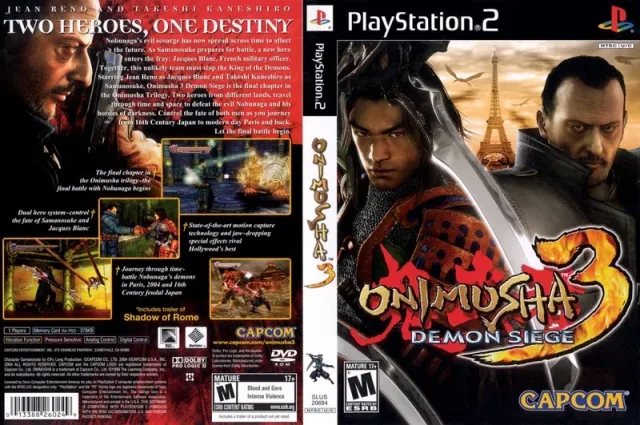 1.8GB
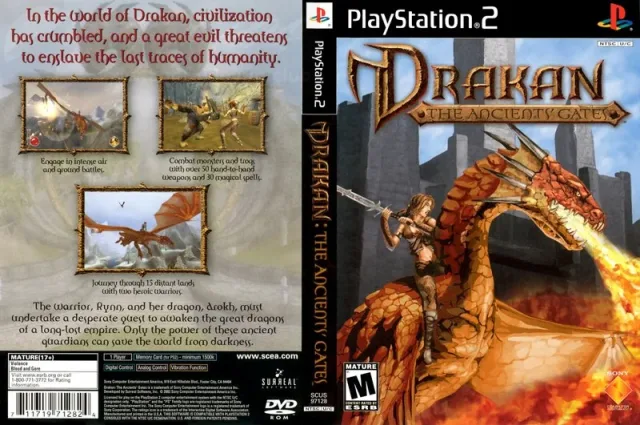 1.5GB
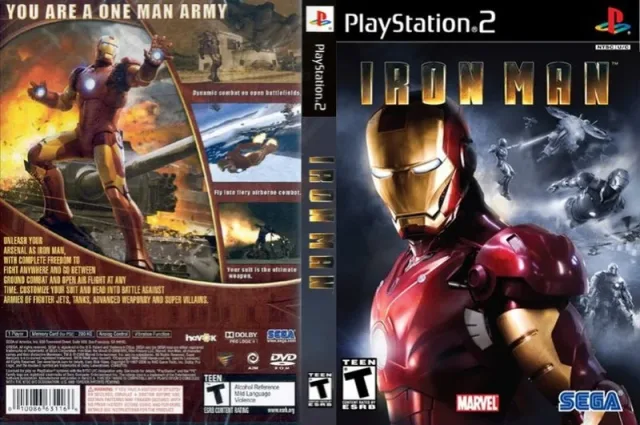 1.0GB
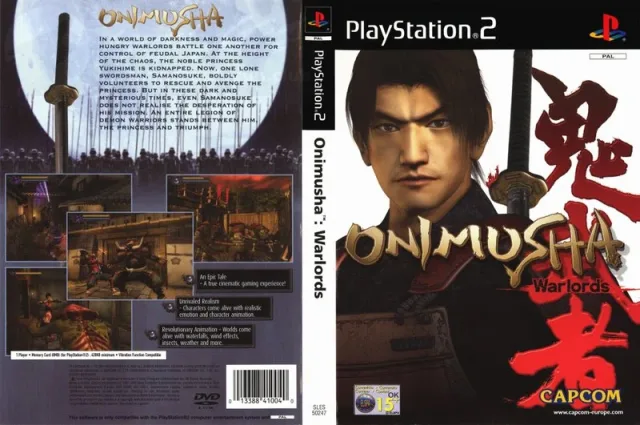 2.6GB
 0.7GB
loading comments…