 0.5GB
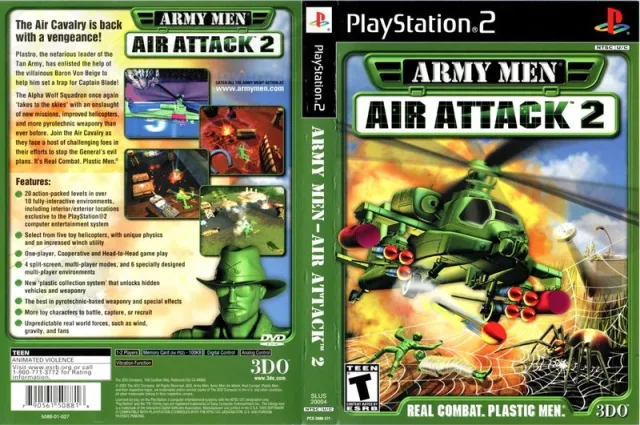
Army Men - Air Attack 2
Action 2000
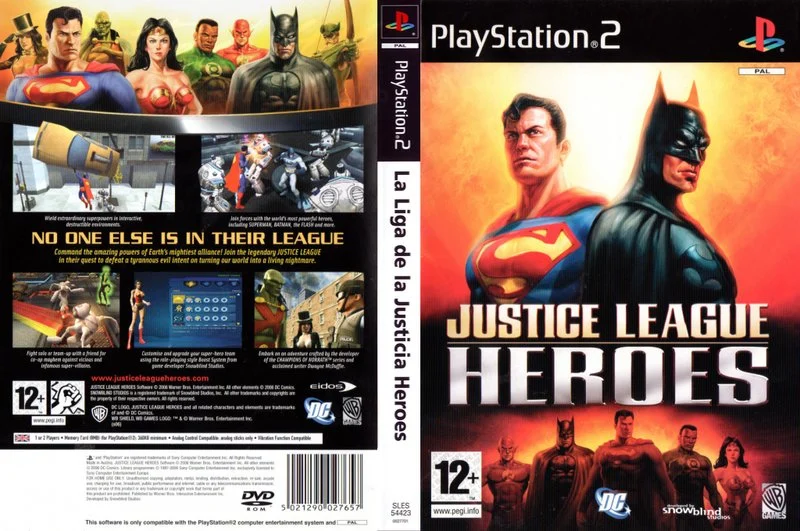
The engine gives the game away before the first fight ends. Snowblind Studios built Baldur's Gate: Dark Alliance and Champions of Norrath on that fixed-camera, loot-dropping, isometric template, and here they pointed the same machinery at the DC roster. Debris flies, walls come apart, and Superman can pick up a chunk of the level and throw it at whatever is closest. For a 2006 superhero tie-in, that was a sharper foundation than the genre usually got.
You run missions in pairs, one hero under your control and a partner handled by the AI or a second player on the couch. The pairings are mostly fixed by the story, which means Batman and Superman get an early stretch together and the Flash shows up where speed makes narrative sense. Each hero spends shared experience on a small tree of powers, and the upgrade currency pools across the whole roster rather than locking into whoever you favour. That one decision does a lot of work. It means experimenting with Zatanna or Martian Manhunter never feels like wasted investment.
Dwayne McDuffie wrote the script, and it shows in the dialogue more than the plot. Brainiac's invasion is standard crossover scaffolding, but the banter has the rhythm of someone who had actually written these characters for years, and the voice cast carry it. The cutscenes are short, which is a mercy in a game built around clearing rooms.
Where it strains is the combat itself. Melee is shallow by design, three or four button presses and a power, and the real variety comes from the energy-gated special attacks rather than anything in the baseline attack string. Boss fights lean on arenas and patterns, and the camera, fixed as it is, occasionally buries you behind geometry at the worst moment. Playing it now you feel the limits of a template that was already a few years old when this arrived.
Still, it holds together better than most licensed action games of the period because it borrowed from a studio that knew what it was doing rather than building something disposable from scratch. The destruction remains the memorable part, the sense that Superman's presence in a room is a structural problem for the room. Few superhero games since have been as relaxed about letting the walls lose.
0.5GB  1.1GB
 0.4GB
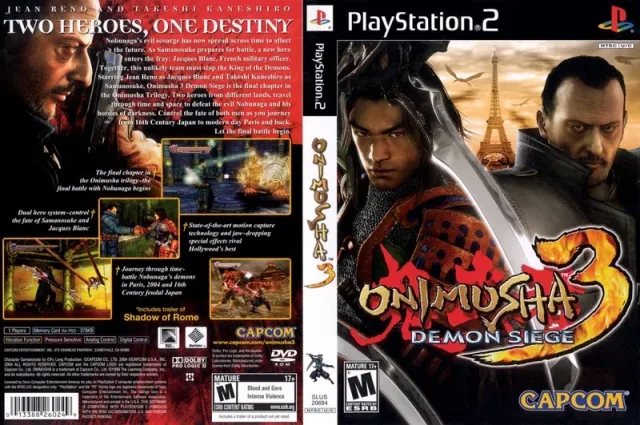 1.8GB
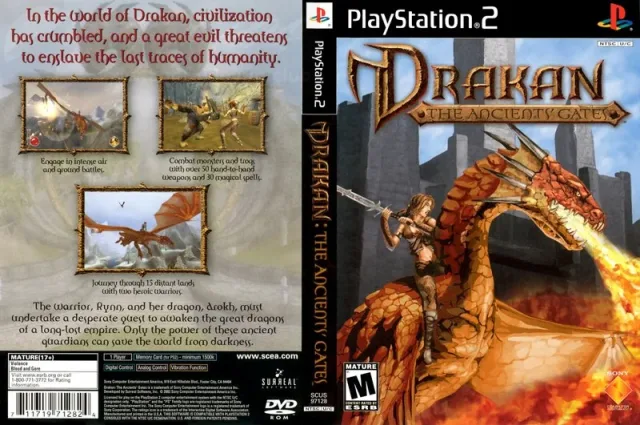 1.5GB
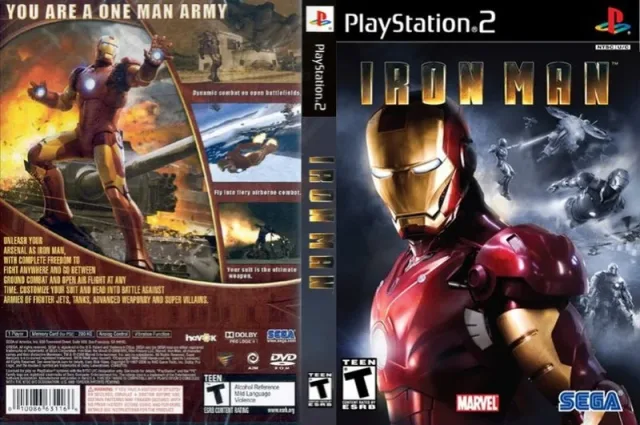 1.0GB
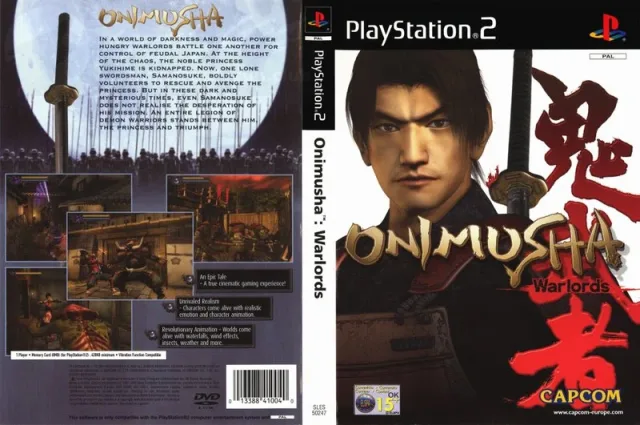 2.6GB
 0.7GB
loading comments…