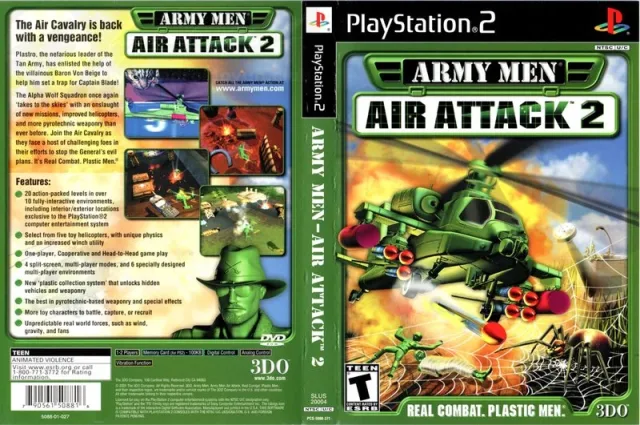
 0.5GB
0.5GB Army Men - Air Attack 2
Action 2000

God of War on PlayStation 2 refuses to follow conventions from the moment you touch the right analogue stick. In 2005 that was already close to heresy, and it tells you exactly what Santa Monica Studio cared about: every shot in this game is composed, pulled back to frame a hydra coiling around a ship's mast or a temple corridor receding into gloom, and the stick you would normally use to look around is given over to evasion instead. The result is a third-person action game where you almost never fight the presentation, because the presentation has already decided where you should be standing.
Kratos fights with the Blades of Chaos, twin swords on chains seared to his forearms, and the whole combat system flows from that one design choice. The blades give him reach without slowing him down, so crowds can be swept at range and single enemies pulled in close. Light and heavy attacks branch into strings that are short enough to abort, which matters because blocking, rolling and grabbing all interrupt cleanly. Add the magic slots, the orb economy that upgrades everything, and the quick-time finishers that end larger enemies with a specific button rhythm, and you get a fighting model that a decade of imitators would strip down and simplify. Few of them got the weight right.
What surprises on a return visit is how much of the runtime is not fighting at all. There are block-pushing puzzles, ledge traversal, a genuinely mean stretch inside Pandora's Temple involving spinning blades and a crate you have to shove through them, and one late gauntlet that has been the subject of complaint since launch. Some of this padding is tedious. Most of it works as pacing, keeping the arenas from blurring together, and the level design is confident enough to loop back on itself in ways that reward attention.
The Greek myth setting is used bluntly rather than reverently. Ares, Athena and the Fates are characters with grudges, the Aegean is a place where a warship gets eaten, and the story is told partly through Kratos's own narration and partly through flashes of what he did to earn his ash-white skin. That reveal is the reason the character stuck. The revenge plot is thin; the shame underneath it is not.
It still looks remarkably composed for late-generation PS2 work, mostly because the fixed camera let the artists cheat geometry and lighting toward whatever the frame needed. Play it now and the influence is almost distracting, since so much of the following twenty years of action design is visible here in first draft. The difference is that this one was still hungry, and it shows in how hard it hits.
0.5GB 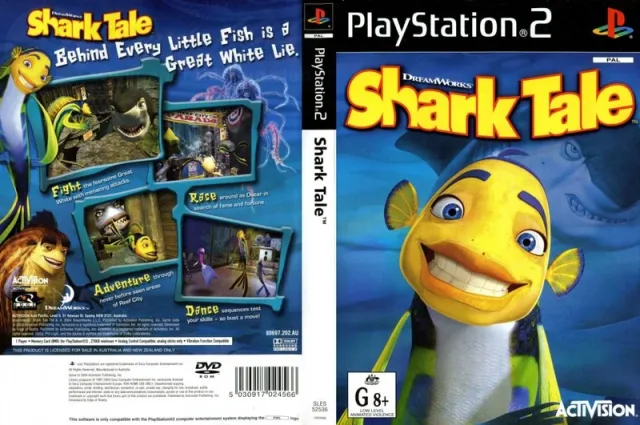 1.1GB
1.1GB 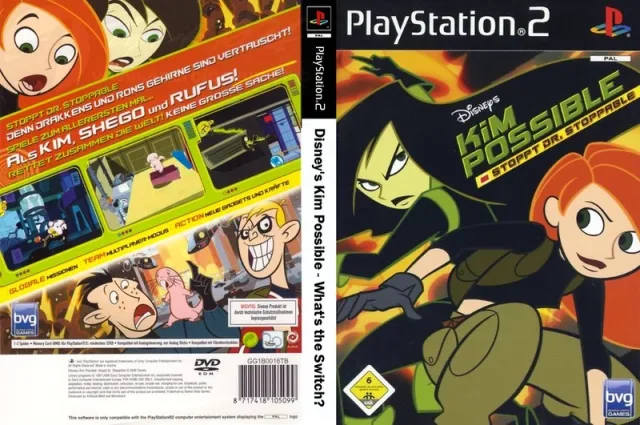 0.4GB
0.4GB 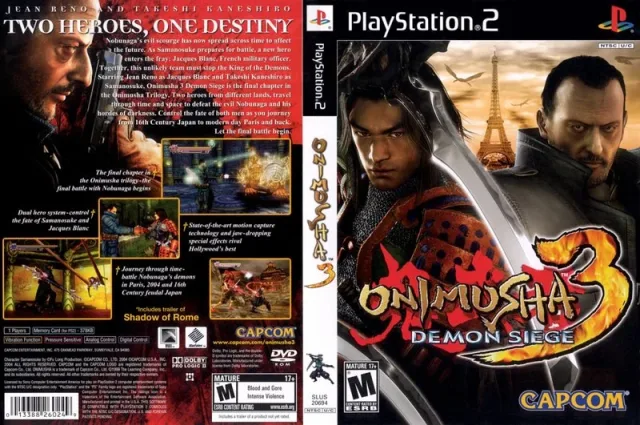 1.8GB
1.8GB  1.5GB
1.5GB  1.0GB
1.0GB  2.6GB
2.6GB  0.7GB
0.7GB loading comments…