 0.5GB
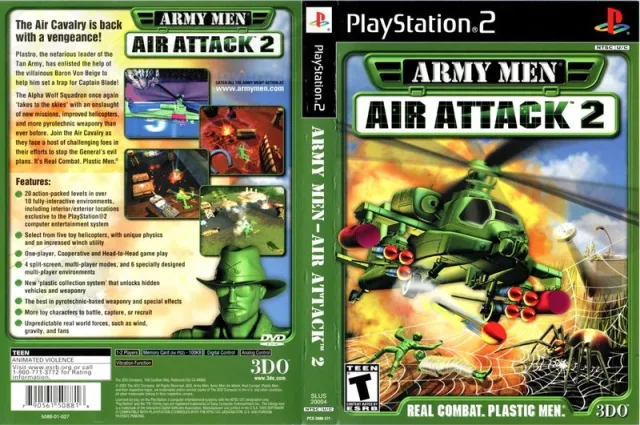
Army Men - Air Attack 2
Action 2000
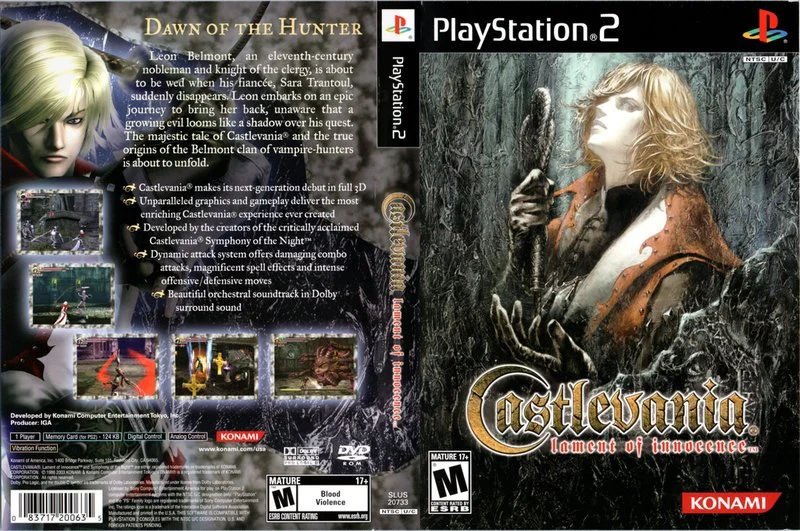
Every boss Leon Belmont kills gives up an orb, and every orb changes what his knives, axes and holy water do. That cross-referencing is the real system here: five sub-weapons against a handful of elements, each pairing spending hearts for a different effect, from a wall of ice to a crucifix that hangs in the air and burns. It is the kind of combinatorial toy that rewards a player who bothers to test everything, and it is also the clearest sign that Konami Computer Entertainment Tokyo had thought hard about what a Castlevania could be in three dimensions rather than simply pointing the old one at a Z-axis.
The story is the series origin point, set in 1094, explaining where the Vampire Killer came from and why the Belmont name matters. Leon gives up his knighthood to rescue Sara from Walter Bernhard, a vampire who treats the whole affair as entertainment. It is told in a handful of stiff cutscenes with some genuinely strange voice work, and it carries more weight in hindsight than it does moment to moment.
Structurally this is a hub and five wings, choosable in any order, each with its own theme and boss. Rooms lock behind you and fill with enemies. The whip handles well, with directional combos, a short aerial string and a dodge that matters more than it first appears, and the combat is tighter than its reputation suggests once you stop mashing. What drags is the architecture: corridors and chambers assembled from a small set of textures and shapes, repeated until the castle feels less like a place than a series of fight boxes. Anyone who grew up on the 2D games will notice how much atmosphere lives in the music and how little lives in the level art.
It arrived in 2003 as a quiet corrective, a 3D entry that nobody felt embarrassed about after the N64 attempts, and it set the template the PS2 follow-up would refine. Michiru Yamane's score does enormous work. The Crazy Mode and the unlockable characters give it legs past the first clear, and the whole thing runs about ten hours, which is the right length for what it has.
Play it for the whip and the orb grid, not for the castle. The parts that hold up are the parts a player controls directly, which is a fair trade for a series learning a new dimension in public.
0.5GB  1.1GB
 0.4GB
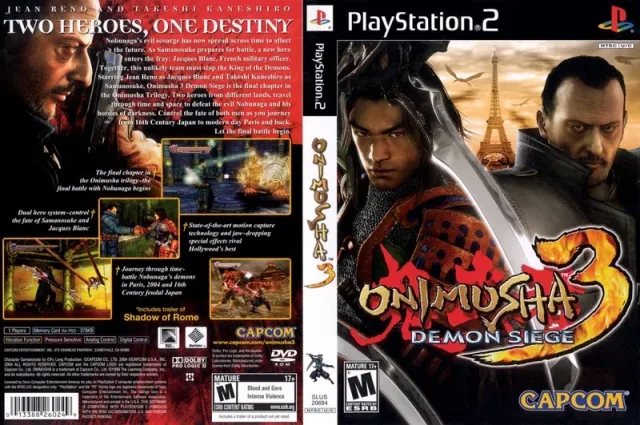 1.8GB
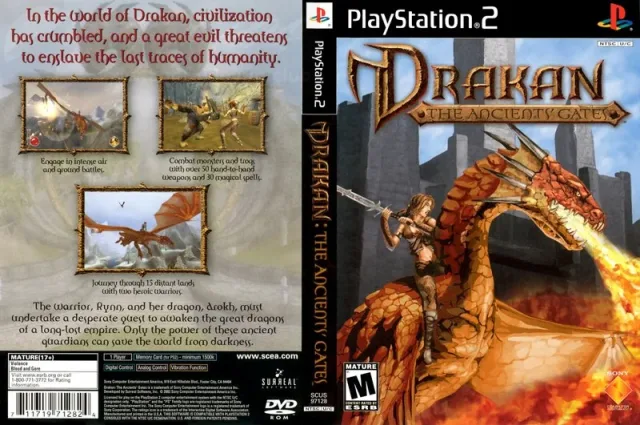 1.5GB
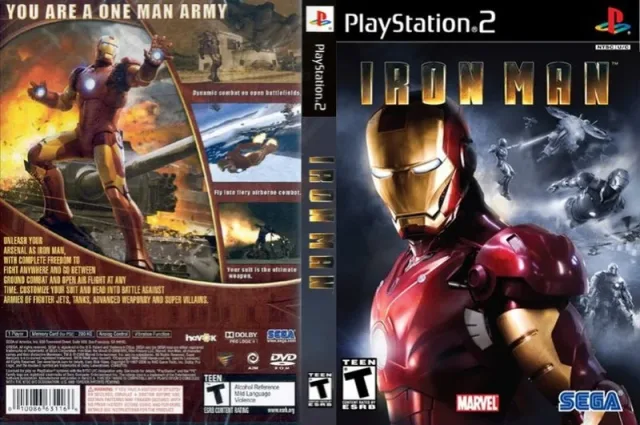 1.0GB
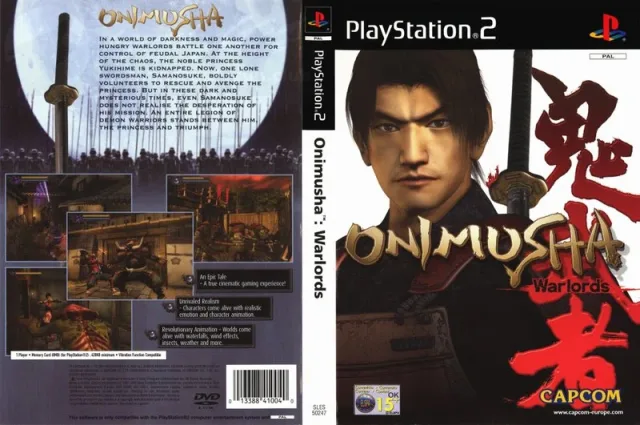 2.6GB
 0.7GB
loading comments…