 2.6GB
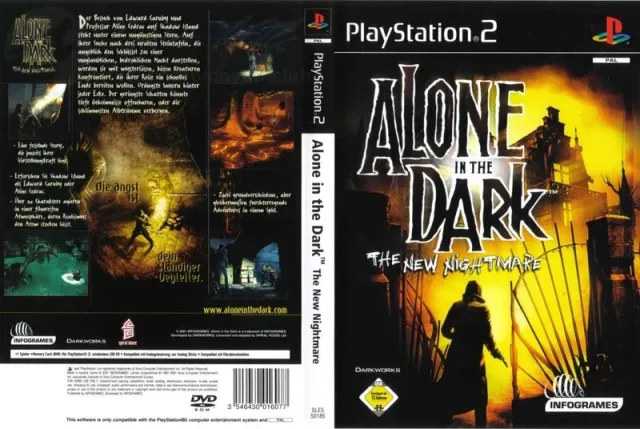
Alone in the Dark
Survival 2008
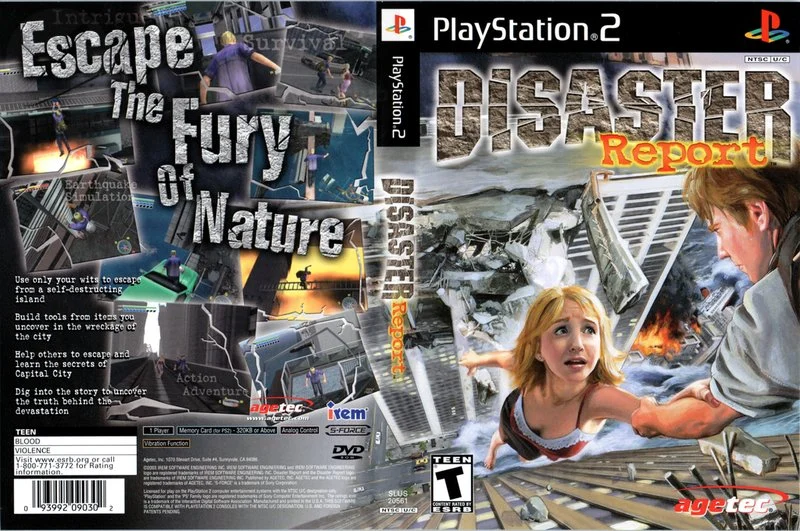
Most games about catastrophe cast you as someone who can fix it. Disaster Report casts you as a lost office worker with no weapon, no special training and no authority, in a Tokyo that has just been broken apart by a massive earthquake. The goal is not to save the city. It is to get out of it, and to decide along the way how much of yourself you will spend on strangers.
Irem built it as a third-person adventure with a survival layer on top. You walk through collapsed streets, cracked highways and flooded underground spaces, climbing, crawling, jumping gaps and finding routes around blocked paths. Hunger and thirst are tracked, so a bottle of water is a real find rather than a throwaway pickup. Aftershocks and unstable ground keep the environments from feeling like static backdrops, and the danger is mostly the architecture itself rather than any enemy.
The stranger part is the people. Survivors ask for help, and the game tracks how you respond, with choices that shape who ends up alongside you and how the story closes. It is a modest system by modern standards, and the dialogue and voice acting are uneven in the way many mid-budget Japanese games of the period were. But the premise gives the choices some weight. Walking past an injured person feels different when you have nothing to gain by stopping and nothing to defend yourself with if things go wrong.
It has aged unevenly. Controls are stiff, the camera can be awkward in tight spaces, and the pacing sags when you are simply hunting for the next route. The visuals also carry the sixth generation's habit of reaching beyond what the hardware could render cleanly. Yet the sober tone is rare. This is not a disaster movie with explosions timed for effect, and it does not pretend a city collapsing is fun.
That restraint is why it is still worth a look. It was a risky concept for a mainstream console release, and its release in Japan was shadowed by real-world events that made its subject uncomfortable. What remains is an awkward, earnest game that understood fear works best when the player is small.
2.6GB  1.7GB
 1.6GB
 0.5GB
 3.5GB
 1.9GB
 1.1GB
 3.0GB
loading comments…