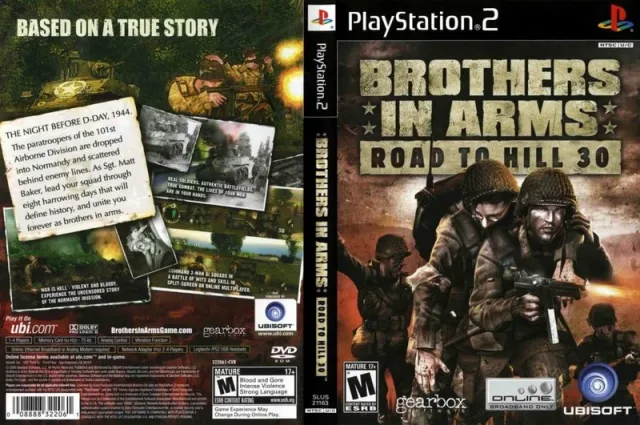
 1.6GB
Brothers in Arms - Road to Hill 30
Shooter 2005
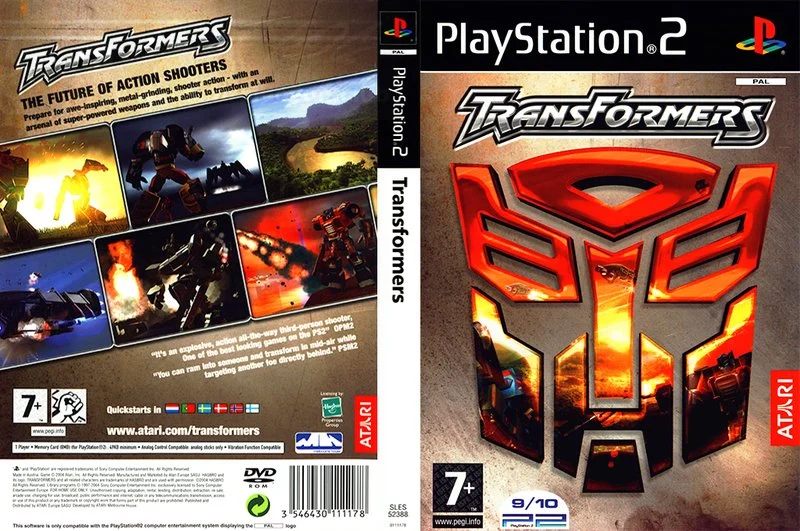
The thing people remembered about Melbourne House's 2004 Transformers game was the foliage. Fire a heavy weapon into a jungle valley and the trees came down, the undergrowth thinned, the hillside lost its cover metre by metre. On hardware that usually faked destruction with two or three swap-out models, that was a genuine technical flex, and it changed how the fights read: you were reshaping the arena while trying to survive it.
It takes its cast from Armada, the Japanese-produced cartoon that was running at the time, which means Optimus Prime, Red Alert and Hot Shot, a swarm of Decepticon drones and Unicron behind all of it. You pick one of the three before each mission and work through large outdoor stages, hunting Mini-Cons. Those are the upgrade system: each one found bolts a new capability onto your robot, from extra armour to alternative weapons to a sprint, and you carry a loadout of them into the next fight. The collecting is not optional busywork. Late missions assume you have been thorough.
Transformation is mapped to a button rather than dressed up as a set-piece, and it does what it should. Vehicle mode is for covering the long distances these maps insist on and for outrunning something that has your range; robot mode is for the shooting. The truck and car handling is loose and skids around a lot, which suits the scale better than precision would have.
Where it strains is the difficulty. Enemy drones arrive in large numbers with good aim, cover keeps disintegrating because of the very system that makes the game interesting, and checkpoints are spaced with a bluntness that belongs to an earlier era. Boss encounters against the named Decepticons lean hard on pattern memorisation. A licensed tie-in built to a television schedule had no obvious reason to be this demanding, and plenty of children who bought it in 2004 never finished it.
That awkwardness is also why it survives better than most cartoon adaptations of its decade. Nobody involved seems to have treated the licence as a reason to lower the ceiling, and the result is a shooter with a real upgrade economy and an environmental engine that still does something modern games rarely bother with. Play it now and the camera fights you and the checkpointing stings, but there is a moment in every stage where the treeline finally gives way and the last Decepticon has nowhere left to stand.
1.6GB  3.5GB
 1.9GB
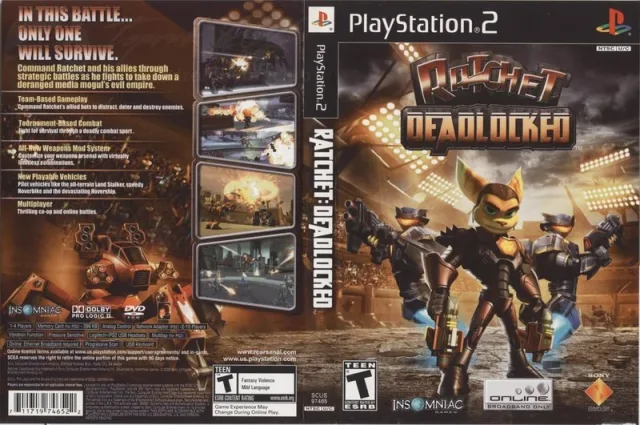 3.0GB
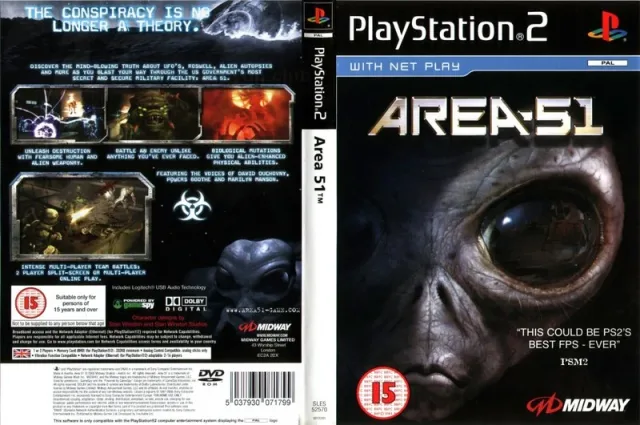 2.4GB
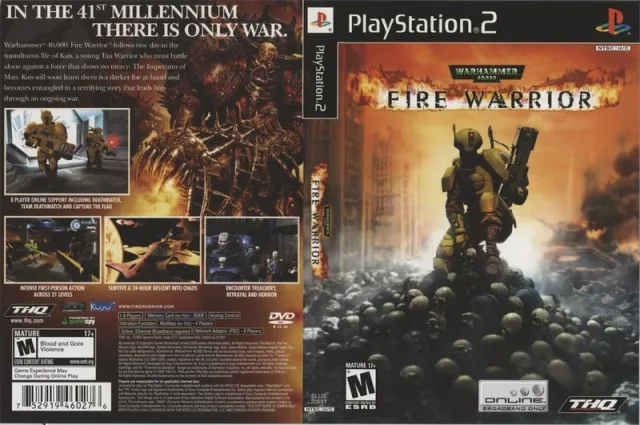 0.7GB
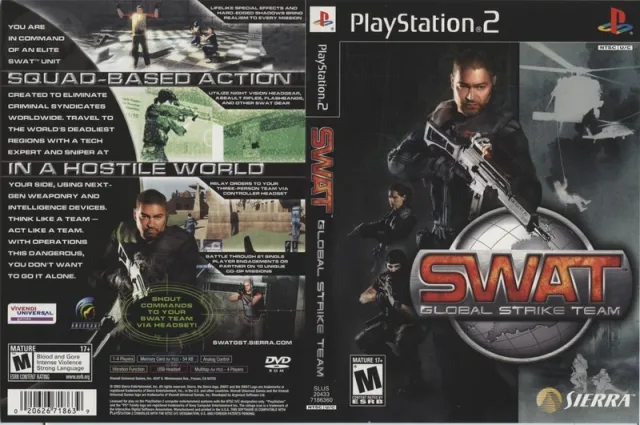 1.7GB
 0.3GB
loading comments…