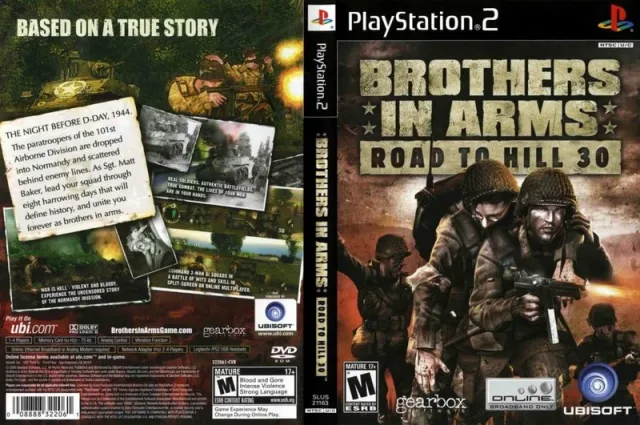
 1.6GB
Brothers in Arms - Road to Hill 30
Shooter 2005
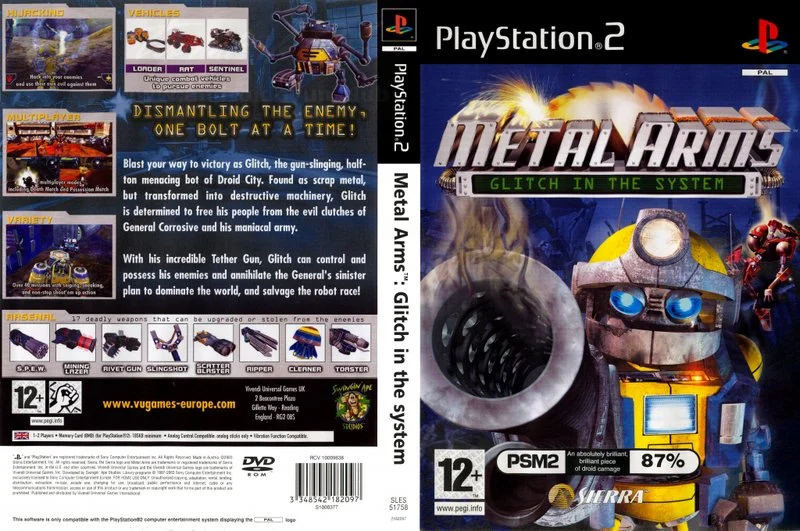
The control tether is the thing people remember. Fire it into the back of a Mil grunt and you take the wheel: his gun, his legs, his clearance to walk past the turret that has been shredding you for five minutes. It is not a gimmick bolted to the margins either, because whole stretches of the campaign are built around deciding whether to fight a room or simply become part of it. For a 2003 third-person shooter, that is a surprisingly modern idea, and it is handled without ceremony.
Glitch, the undersized scrap-heap droid at the centre of it, fights through a war between the free Droids and the Milbot army of Mordecai. The tone is closer to a Saturday cartoon than to anything self-serious, with chattering enemies who taunt and panic, but Swingin' Ape never let the humour soften the shooting. The guns feel engineered rather than decorative. The Rivet Gun punches holes, the Scatter Blaster is a proper close-range argument, and the Ripper, Slingshot and recon-equipped grenades each carve out a role instead of duplicating one. Ammunition scarcity keeps you cycling through all of it.
What holds up less well is the camera and the era's standard aiming compromise. You lock, you strafe, you nudge, and in tighter corridors the view can pin itself somewhere unhelpful. The difficulty is also unapologetic by modern standards: later levels will kill you repeatedly while you learn the enemy placement, and checkpoint generosity is not part of the design philosophy. Players who came to it from friendlier shooters tended to bounce off the back third.
There is a split-screen multiplayer suite, deathmatch and variants across the campaign's environments, which was near-mandatory for the format at the time and is better than it needed to be. The campaign is still the reason to be here. Levels mix open scrapyard skirmishes with vehicle sections and the occasional stealthy hijack puzzle, and the pacing rarely stalls.
It arrived late in the generation's crowded shooter market, got good notices, and sold like a game nobody had heard of. Swingin' Ape was bought by Blizzard not long after and the sequel never happened. That is the shape of a lot of sixth-generation stories, but few of the casualties had a hook this sharp or a set of weapons this well tuned, and playing it now mostly produces annoyance that nobody got to build on it.
1.6GB 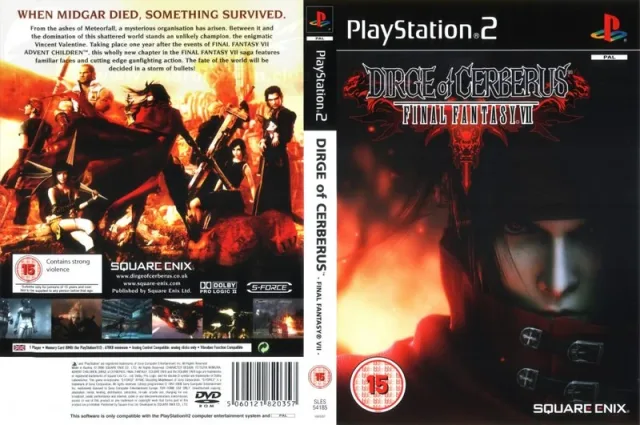 3.5GB
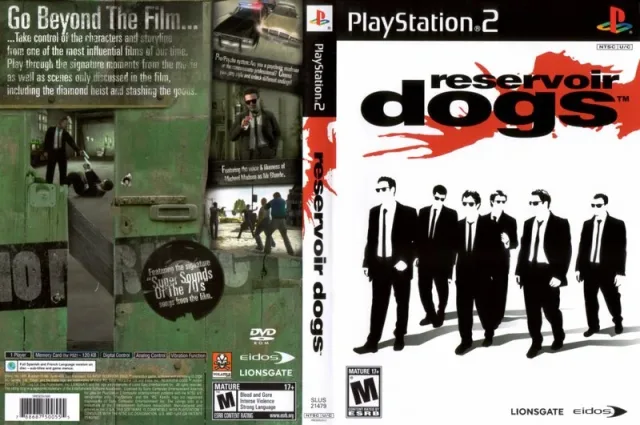 1.9GB
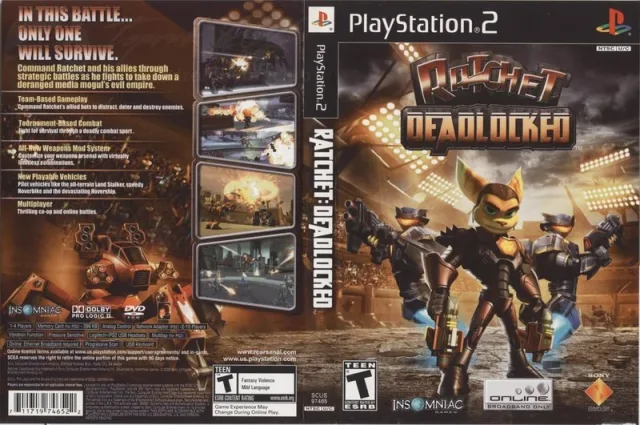 3.0GB
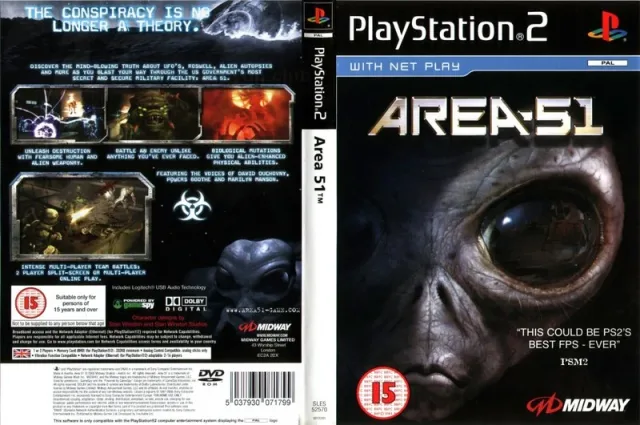 2.4GB
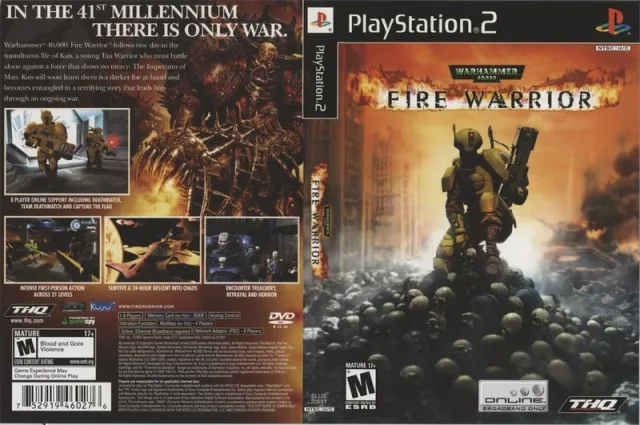 0.7GB
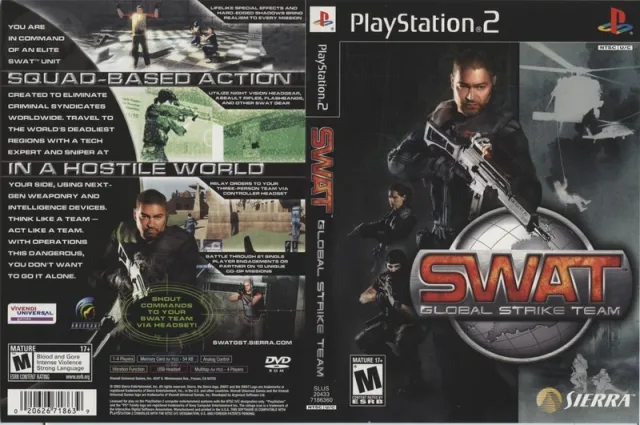 1.7GB
 0.3GB
loading comments…