 1.6GB
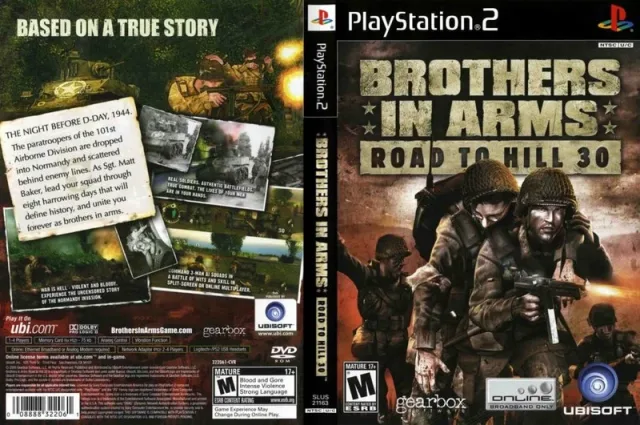
1.6GB Brothers in Arms - Road to Hill 30
Shooter 2005

Four controllers, one television, one four-man squad. That was the trick Pivotal Games built its Gulf War follow-up around, and it remains the most interesting thing about it. Most tactical shooters of the era treated the squad as a set of obedient limbs directed by a single brain. Here you could hand Bradley's machine gun to your brother and Connors' rifle to a friend, and the careful pincer movement you had planned would collapse into someone sprinting into an open courtyard because he wanted a better shot.
Solo, the game works as a control-swapping puzzle. You hold one soldier at a time and cycle between them, parking Foley behind cover to spot, moving Jones up to place charges, calling Connors onto a rooftop for overwatch. Orders can be issued individually or to the whole team, and the AI is competent enough to hold a position without wandering into fire, which was not always true of the first game. Experience earned on missions upgrades each man's proficiency with weapons and equipment, so the squad you finish with genuinely shoots straighter than the one you started with.
The 1991 setting is treated with a straight face rather than reverence. Missions run through oilfields, bunkers, urban streets and the occasional stretch behind the wheel of a captured vehicle, and the campaign leans on objective variety more than narrative: destroy the artillery, rescue the pilot, hold the crossing until extraction. Some of the level design still bites. The insertion sequences where a single alerted patrol undoes ten minutes of quiet advance are the moments the game is most sure of itself.
What has aged is the presentation and the plumbing. Textures are muddy even by 2003 standards, the camera fights you in tight interiors, and the checkpointing can be punishing in a way that feels careless rather than demanding. Aiming lacks the precision that later console shooters made standard, so firefights are won by positioning and grenades more than by marksmanship — arguably appropriate, occasionally frustrating.
It is a sequel that refined rather than reinvented, and it landed in a crowded year for military shooters without much fanfare. But the co-op remains close to unique: a squad tactics game where the weak link is not the AI but the person sitting next to you.
1.6GB  3.5GB
3.5GB  1.9GB
1.9GB  3.0GB
3.0GB 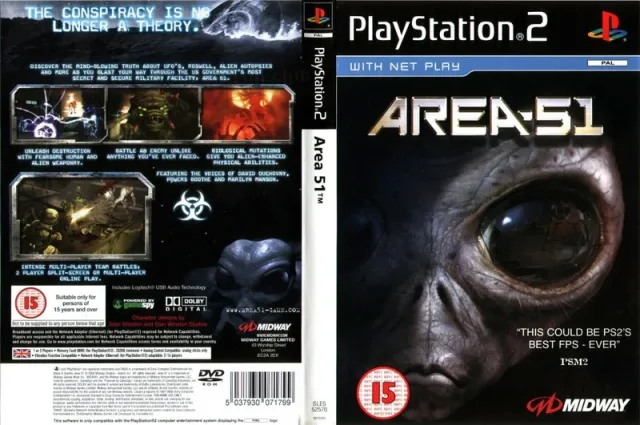 2.4GB
2.4GB 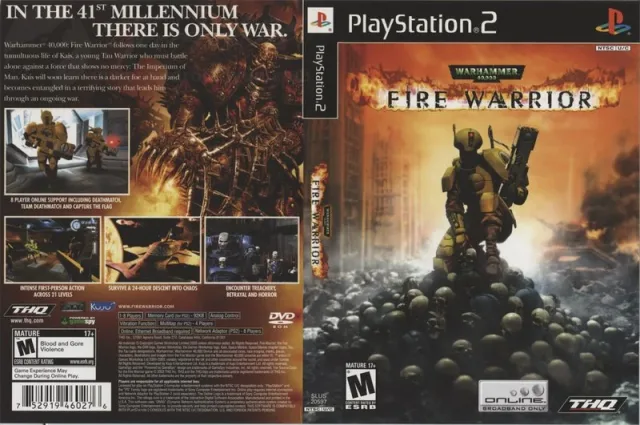 0.7GB
0.7GB 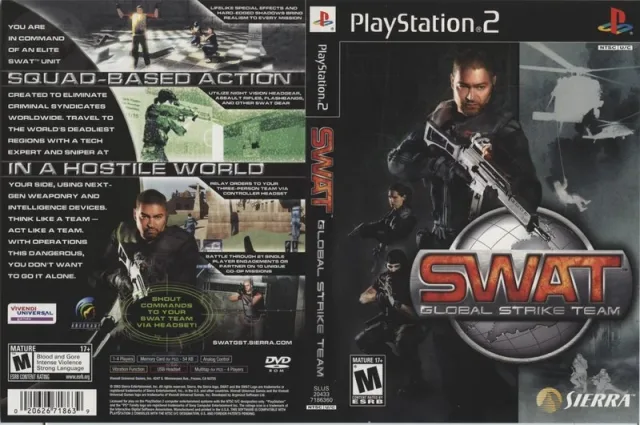 1.7GB
1.7GB 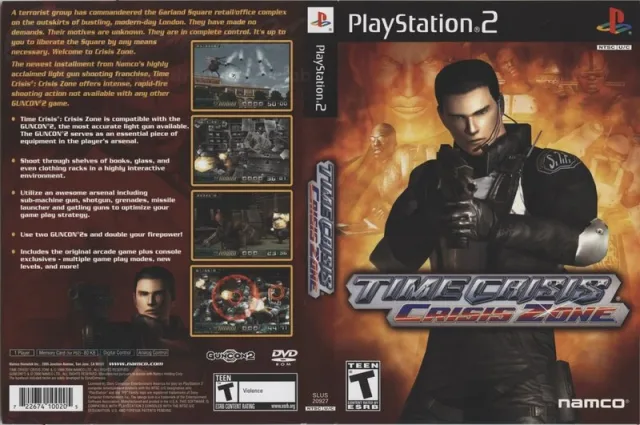 0.3GB
0.3GB loading comments…