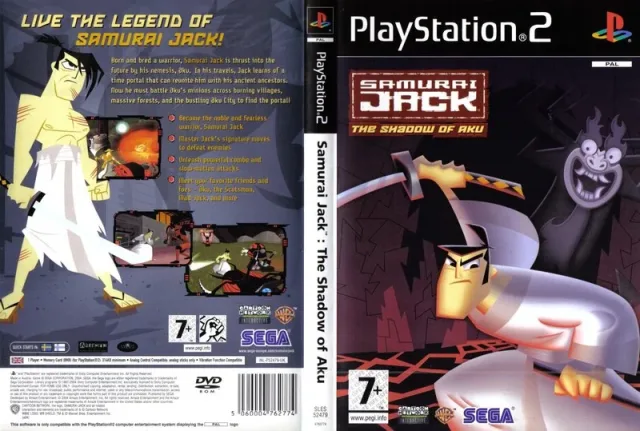
 1.0GB
1.0GB Samurai Jack - The Shadow of Aku
Hack and Slash 2003

Hold off long enough without taking a hit and a meter in the corner starts climbing, turning every orc into points toward the next upgrade. That scoring hook is the real engine of EA Redwood Shores' 2003 tie-in, and it is why the game survives being a movie adaptation. Underneath the licensed voices and the trailer-grade cutscene footage sits a compact arcade brawler that asks you to fight cleanly rather than fast, because a broken streak costs you the multiplier and the multiplier is how you pay for better moves.
The control scheme is three attack buttons and a parry, and the parry matters. Enemies telegraph with a flash, you counter, and the counter chains back into the combo you were already running. Aragorn, Gimli and Legolas each shade that formula differently across the Path of the King; Gandalf gets his own route with staff blasts and a shield; Frodo and Sam take the sneaking and short-sword work through the Path of the Hobbits. Two players can share a level, which was still a live expectation for action games in 2003 and is the mode most worth revisiting.
Structurally it is narrow. Levels are corridors and arenas, the camera is fixed and occasionally hostile, and the arrow-aiming sections are the weakest thing in the package. What holds it together is pacing. Helm's Deep opens with the previous game's ending and hands you a wall to defend; the Paths of the Dead trade crowds for pressure; Shelob's lair swaps combat for something closer to a chase. Nothing outstays its welcome, which is more than most licensed games of the period managed.
It also had the advantage of unusual access. New Line let EA cut actual film material into the game, so the transitions between playing and watching are smoother than the technology of the time should have allowed, and the actors recorded lines rather than being imitated. Finishing the campaign opens up characters who never fit the main routes, including Faramir and Gollum, plus a Weathertop level that reaches back before the trilogy.
The combat depth is real but shallow-bottomed, and anyone expecting the character-action complexity that Capcom and Team Ninja were building elsewhere that year will hit the floor quickly. Taken as what it is, though, this is the high point of the licensed beat-'em-up boom, a game that understood its source was a series of enormous battles and simply made you stand in them. Twenty-odd years on, the score counter is still the thing that keeps you playing after the credits have stopped mattering.
1.0GB 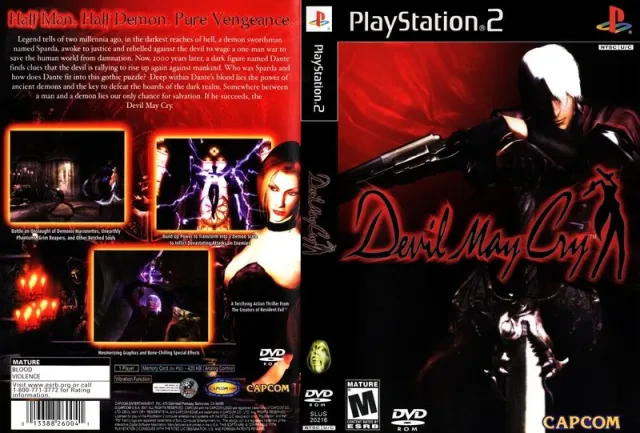 2.0GB
2.0GB 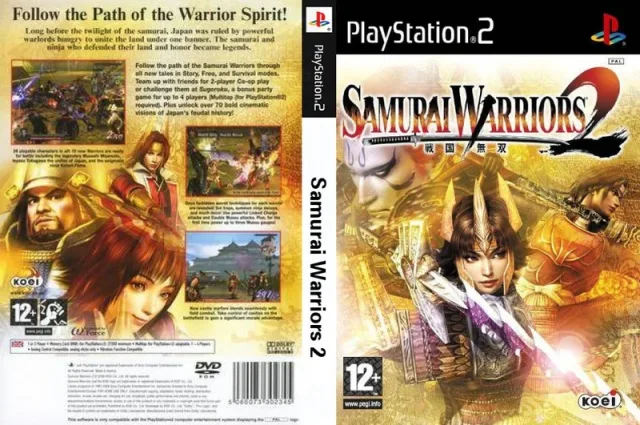 3.5GB
3.5GB 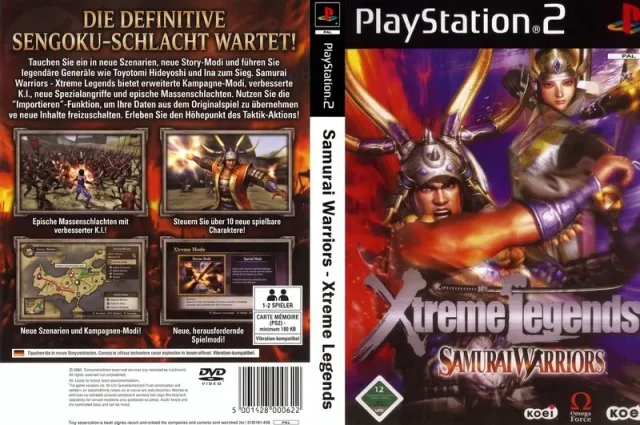 3.3GB
3.3GB  2.4GB
2.4GB  0.7GB
0.7GB  3.4GB
3.4GB  3.0GB
3.0GB loading comments…